Alabama CHIP pays the way to a gene therapy for deafness
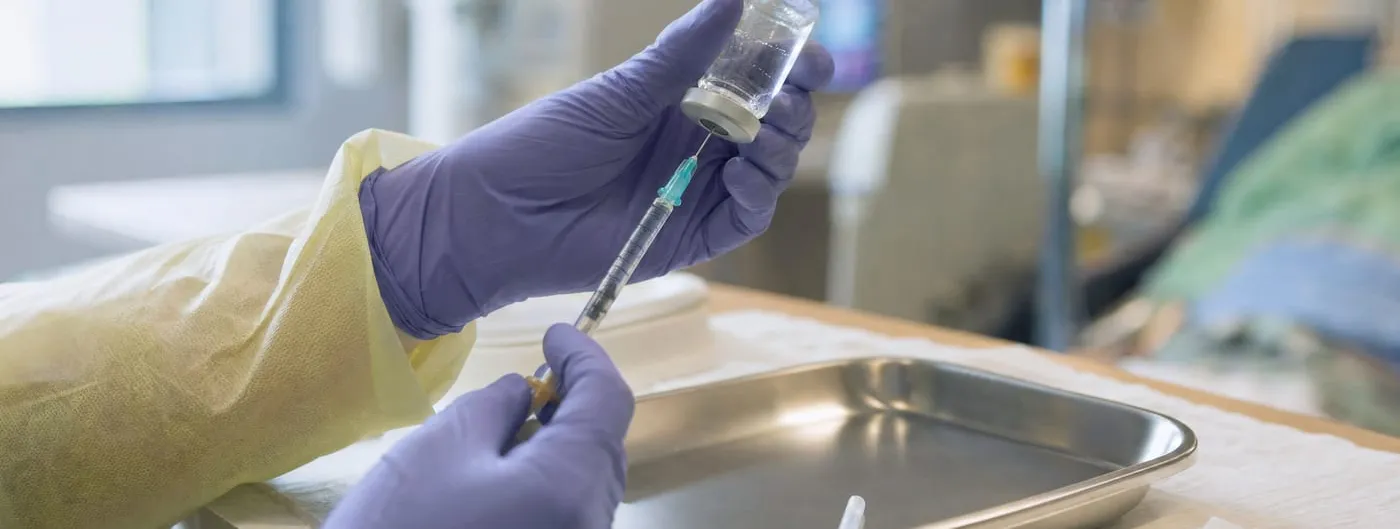
AI-generated illustrationAI-generated illustration
The Alabama Department of Public Health said on 17 August 2026 that a child enrolled in ALL Kids, the state’s Children’s Health Insurance Program, had been treated with Otarmeni (lunsotogene parvec-cwha) at Boston Children’s Hospital. Otarmeni is Regeneron’s gene therapy for profound hearing loss caused by biallelic mutations in OTOF, and the FDA approved it in April 2026 as the first gene therapy for genetic deafness.
OTOF encodes otoferlin, the protein that lets an inner hair cell release neurotransmitter to the auditory nerve. The hair cells are present and the cochlea is intact; the signal simply does not leave. The therapy delivers a working copy of the gene into those cells, which is why this particular form of deafness was the first one a vector could address.
The part worth noting is the payer, not the biology. Regeneron supplies the therapy at no cost to eligible patients, and ADPH says the procedure and associated care may still fall to the family depending on coverage. A state CHIP programme routing a child to a therapy of this kind is what access looks like once approval has already happened — and access is where most of these approvals have stalled.