Pulses
8 new pulses · 5 October
October 2026 — 26 pulses
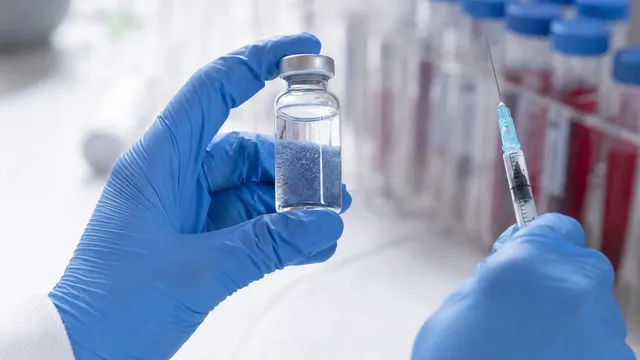

A one-patient ALS drug cuts a nerve-damage marker by up to 50%
An antisense drug designed for a single patient with CHCHD10-linked ALS cut a nerve-damage marker by up to 50% after six doses, Mayo Clinic reported in Med.
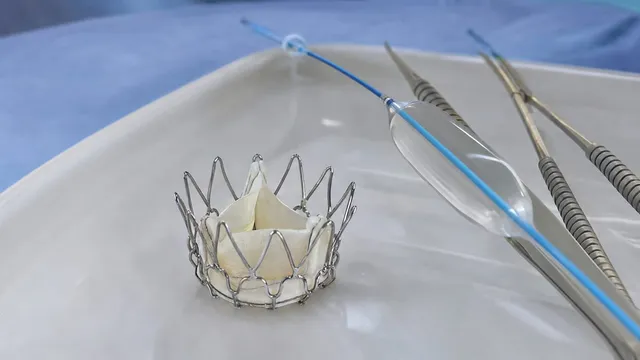

FDA approves a heart valve that is expanded as a child grows
The FDA approved the Autus Size-Adjustable Valve on 1 October 2026, a polymer pulmonary valve implanted at 13 mm and widened to 22 mm by balloon catheter.

Runway turns its video models into robot control with Praxis-1
Runway unveiled Praxis-1 on 30 September 2026, a world action model that learns robot skills mostly from ordinary video and will ship with open weights.
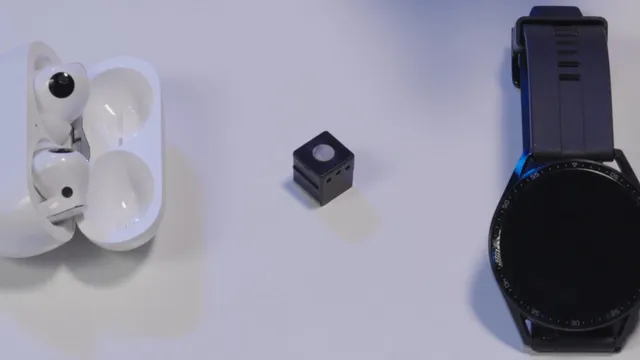

Tianjin University shows a 3-gram EEG interface that hides in hair
A Tianjin University lab unveiled a 3-gram, 2 cm³ non-invasive brain-computer interface that packs electrodes, battery and radio into one cube worn in the hair.
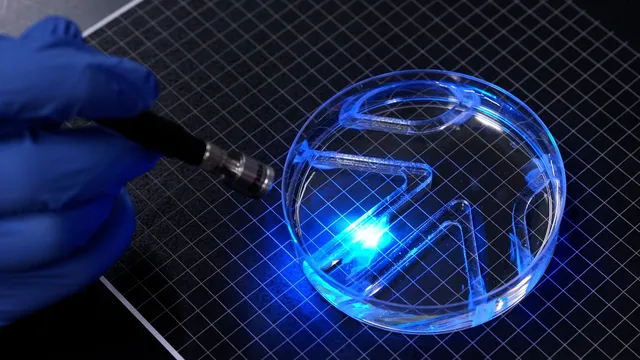

MIT swims a paper-thin robot on a single layer of muscle cells
An MIT team steered a gel robot covered in one layer of light-sensitive muscle cells through a water maze, the first thin-film muscle-powered robot to move.
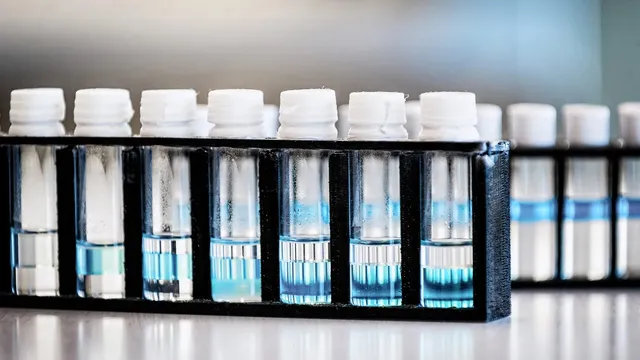

VectorY triples its PIONEER-ALS gene therapy trial to 36 patients
VectorY expanded the Phase 1/2 trial of VTx-002, a gene-delivered antibody against TDP-43 in ALS, from 12 to 36 participants before any efficacy data came in.


PrimeBot puts two home robots on sale at 19,999 yuan
Qiyuan Robot (PrimeBot) launched its Q1 companion humanoid and T1 shape-shifting robot in Shanghai on 20 September 2026, priced from 19,999 yuan (about $2,800).
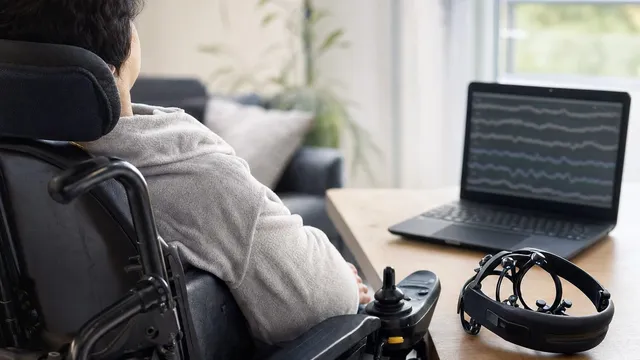

UCANACT raises €800,000 to turn Utrecht BCI research into a product
Utrecht startup UCANACT closed an €800,000 pre-seed round for a brain-computer interface that turns brain signals into computer actions and speech.
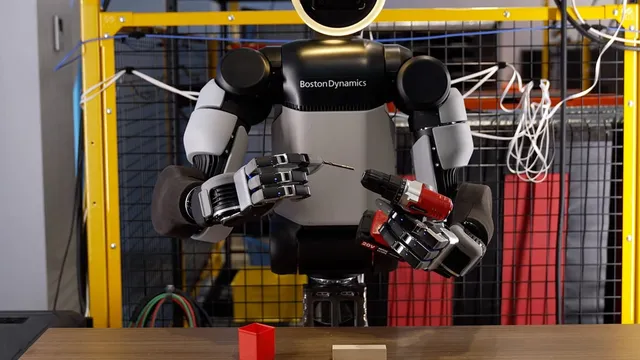

Boston Dynamics gives Atlas a four-finger, 13-joint hand
The new Atlas hand drops the little finger, doubles the degrees of freedom to 13, and adds tactile sensing across fingertips and palm.
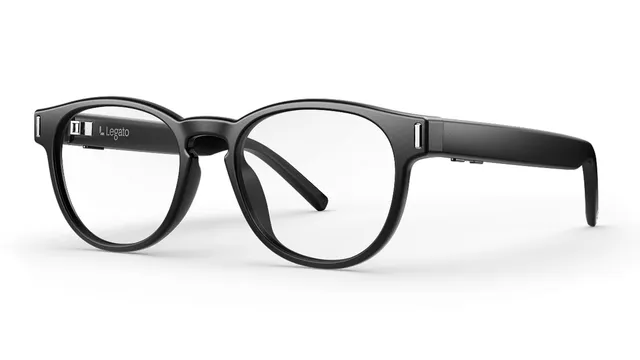

Legato puts its hearing glasses on sale from $999
Legato Frames, eyeglasses with speech-separating hearing assistance in the temple arms, went on sale in the US on 1 October 2026 in three styles.
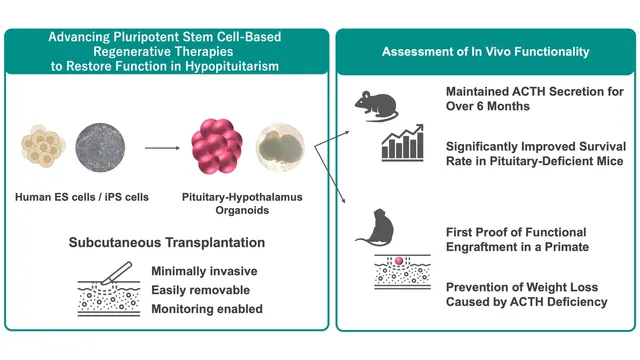

Human pituitary organoids restore a stress hormone in a monkey
Nagoya University transplanted stem-cell pituitary organoids under the skin of a macaque without a pituitary gland; they made ACTH for six weeks.
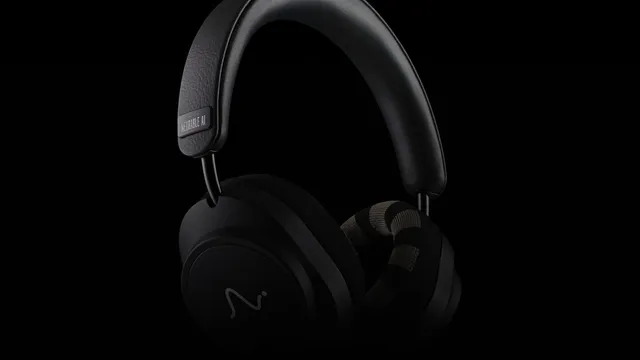

Neurable One headphones carry 12 EEG sensors for $499
Neurable launched over-ear headphones with dry EEG in the ear pads that track focus, fatigue and a brain-age estimate, on sale in the US.
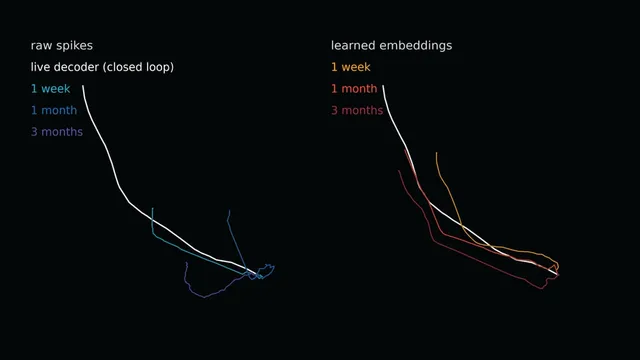

Neuralink pretrains BCI decoders on 50,000 hours of brain data
Self-supervised encoders kept cursor decoders usable for weeks without recalibration, and one participant reached 11.32 bits per second.
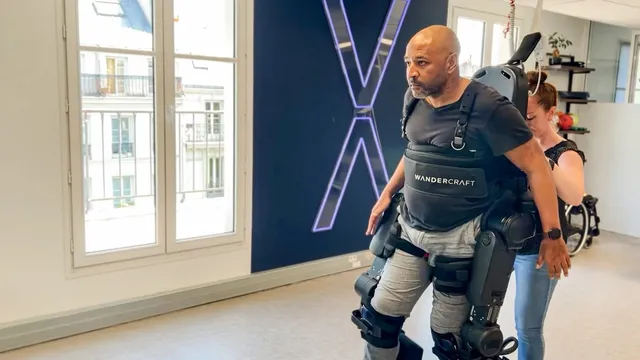

Wandercraft acquires Ekso Bionics and its exoskeleton line
The deal puts four medical exoskeletons, Atalante X, EksoNR, Eve and Indego Personal, under one owner; terms were not disclosed.
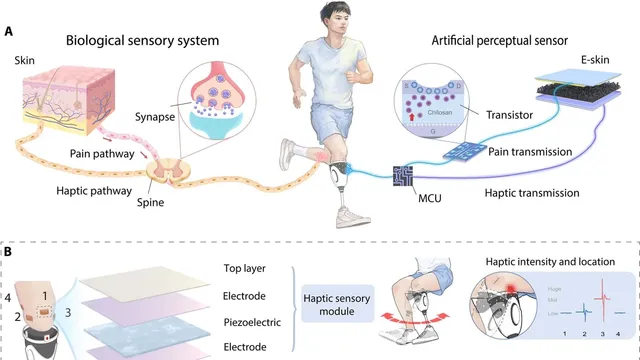

A prosthetic socket sensor mimics touch and pain perception
A Chinese team built a socket sensor array that separates touch from potentially painful pressure, tested in people with below-knee amputation.
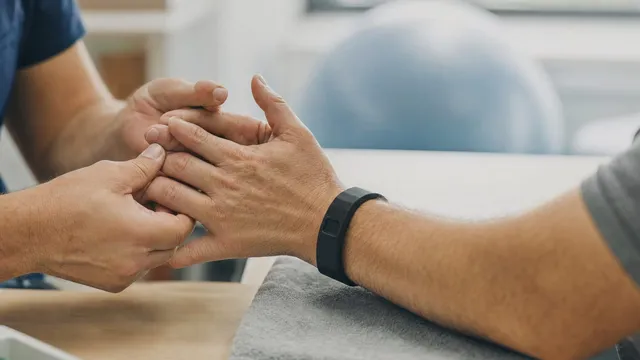

A wrist sensor tracks arm recovery after stroke
UMass Amherst paired a wrist accelerometer with machine learning to follow arm impairment after stroke, 40 to 50% more accurately than clinician scores.
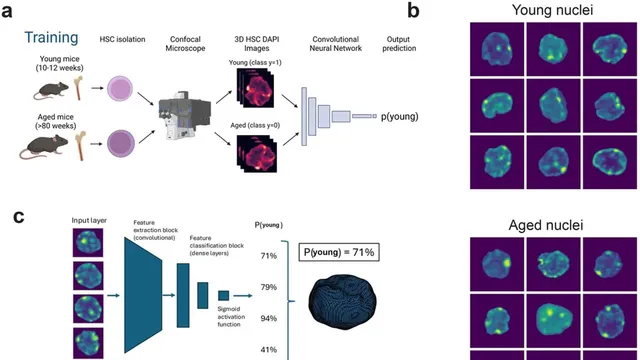

ChromAgeNet reads ageing in the nuclei of blood stem cells
A neural network told young from aged mouse blood stem cells with 77% accuracy from 3D images of their chromatin, and scored candidate rejuvenating drugs.
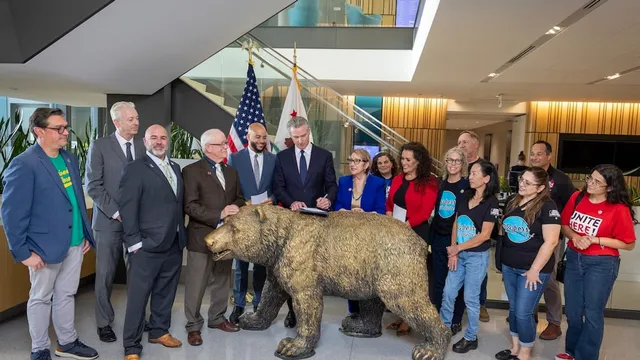

California signs AB 1883, barring employers from neural data
Governor Gavin Newsom signed the workplace surveillance bill on 30 September 2026. Its enrolled text bars employers from collecting workers neural data.
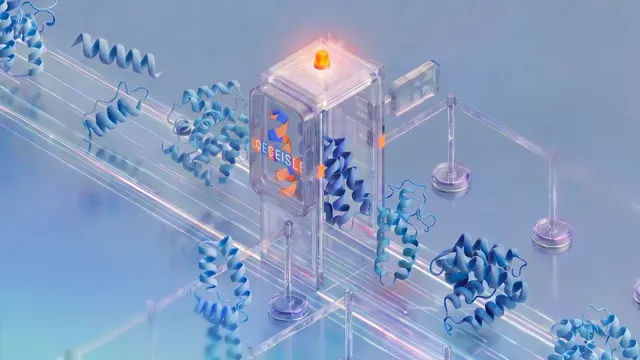

DeepMind releases SynthID Bio to watermark AI-designed proteins
The open-sourced method hides a detectable signature in protein designs and AlphaFold 3 structures, with no loss of binding in wet-lab tests.
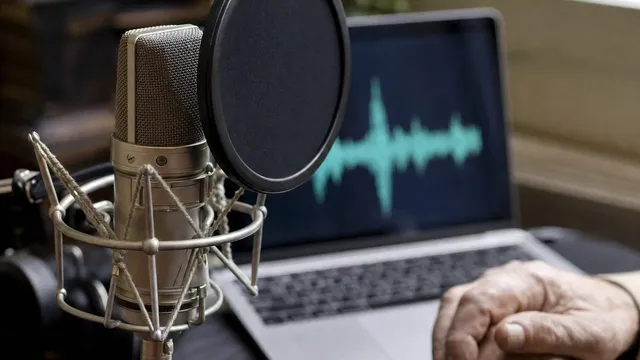

A speech clock reads biological ageing from 2,928 voices
A Science Advances study links the gap between speech-predicted and actual age to brain atrophy, DNA-methylation clocks, p-tau217 and social adversity.


Google releases Gemini 4 Argon to cyber defenders first
The frontier model scores 77.9% on DeepSWE v1.1, writes up to 1 million output tokens, and goes to vetted security teams before a wider rollout.
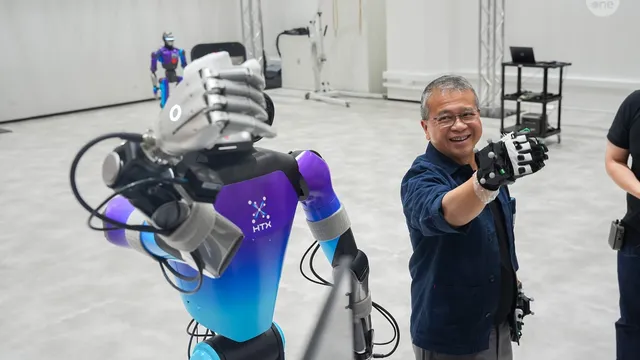

Singapore opens a humanoid robotics centre for public safety
The Home Team Humanoid Robotics Centre opened on 30 September 2026, with a goal of a humanoid robot working alongside officers by 2028.
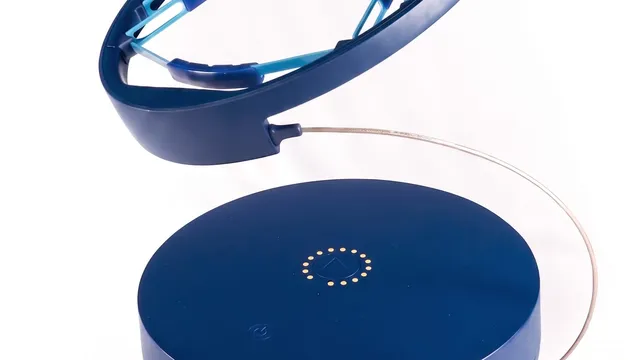

A magnetic therapy headset improves long COVID cognition in a pilot
In a 30-person sham-controlled trial at Mount Sinai, at-home sessions improved working memory, processing speed and mood, with gains lasting to week eight.
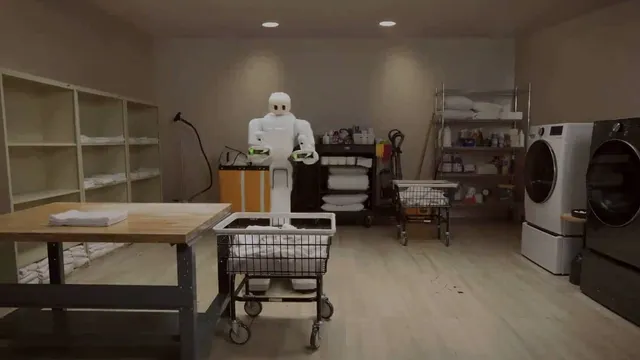

DYNA Robotics launches Dyna-2.1 with an hour of unaided laundry
The physical agent ran an uncut one-hour laundry-room workflow, about 79 steps per cycle, on Taku, a new semi-humanoid robot.
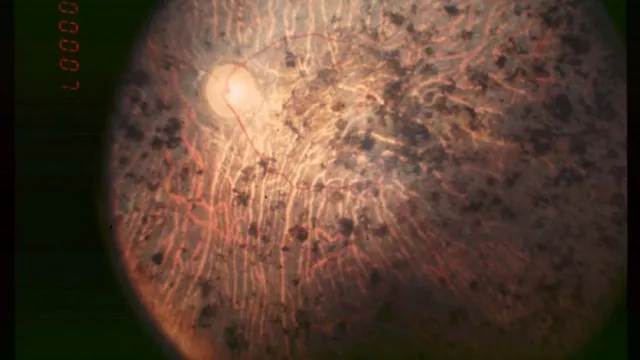

iRegene photoreceptor cell therapy cleared for trials in US and China
NouvSight001, an off-the-shelf photoreceptor replacement for retinitis pigmentosa, has trial clearances from China NMPA and the US FDA.
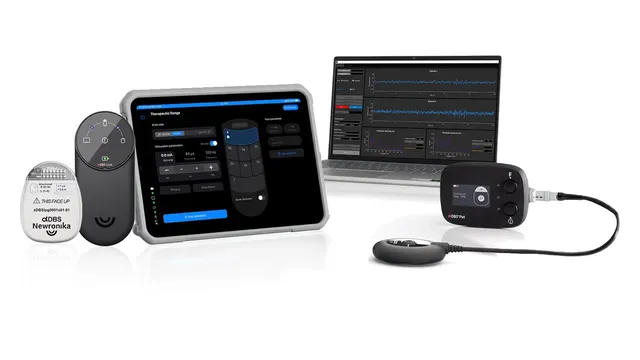

Newronika adaptive DBS pivotal trial implants its first patient
ADVENT will compare adaptive and conventional deep brain stimulation in 104 people with Parkinson disease, at up to 18 sites in the US and EU.
September 2026 — 24 pulses
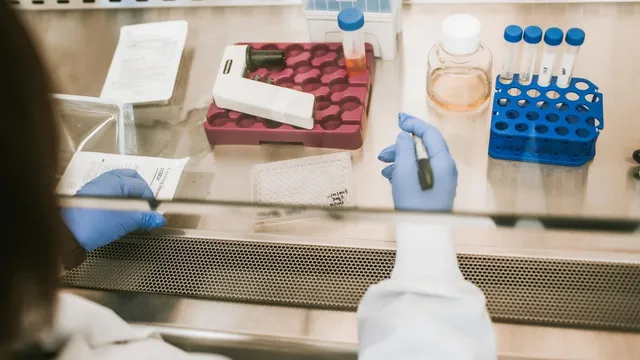

Cartesian's CAR-T works again when myasthenia gravis returns
Five patients retreated with Descartes-08 a median 16.6 months after their first course all improved, with no serious adverse events through month 12.
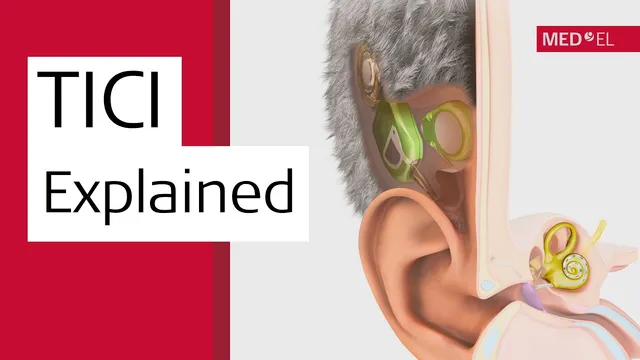

MED-EL launches a cochlear implant with nothing worn outside
TICI UNICO puts every component, the microphone included, under the skin. It carries a CE mark and went on sale in Europe on 29 September 2026.


OpenAI ships GPT-6.1 Sol at a fifth of the price of its flagship
Released at DevDay on 29 September 2026, GPT-6.1 Sol nearly matches GPT-6 Astra on agentic work, according to OpenAI, while the larger GPT-6.1 Astra stays shelved.
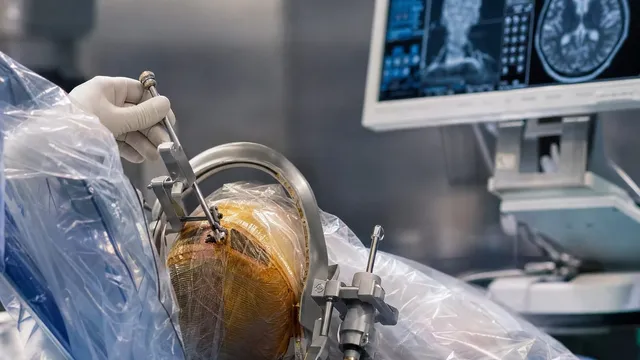

uniQure's Huntington's gene therapy effect narrows at four years
At 48 months, high-dose AMT-130 slowed decline on the cUHDRS by 44% against an external control, down from 80% at 36 months, and missed significance on that measure.


Six AI companies sign a White House frontier-model safety accord
On 29 September 2026, six AI firms signed an accord on controls for frontier models, alongside an order renaming AI "Super Intelligence" in US federal documents.
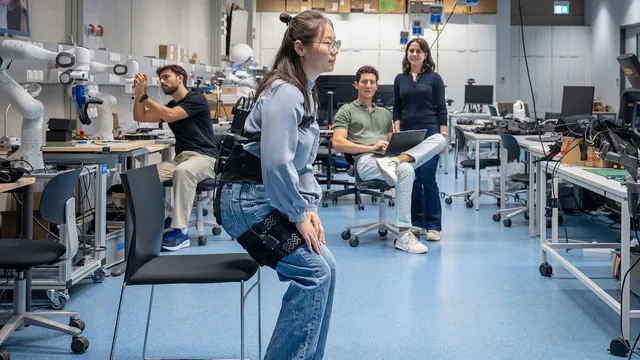

A soft TUM exosuit helps adults aged 69 to 85 stand and walk
In a Nature Communications feasibility study, ten older adults did about two more sit-to-stand cycles a minute and walked at 14% lower metabolic cost on average.
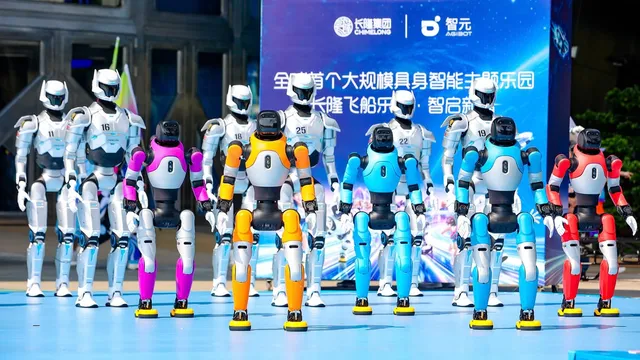

AgiBot delivers its 20,000th robot to a Chinese theme park
More than 300 AgiBot robots now work across Chimelong Spaceship Park in Zhuhai, a deployment that carried the 20,000th unit off the company's production line.
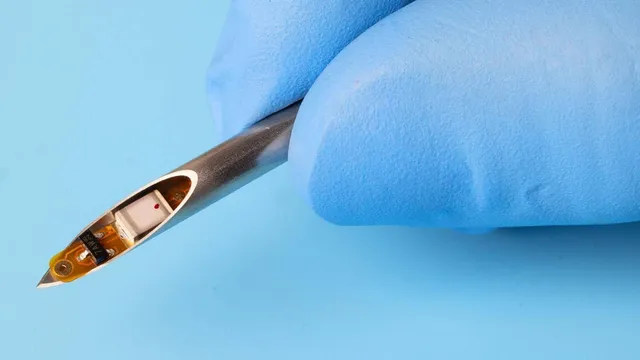

Georgia Tech implants talk to each other through body tissue
SWANS uses the body's ionic conductivity to link injectable implants under 3 mm with wearables. In rats, a paw sensor triggered stimulation of a hind-leg muscle.


AMD agrees to buy Fei-Fei Li's World Labs for $8.2 billion
AMD announced on 28 September 2026 an all-stock deal of about $8.2 billion for World Labs, which builds 3D world models used for robotic learning and simulation.


Anthropic releases Claude Sonnet 5.5 at unchanged pricing
Claude Sonnet 5.5, released on 28 September 2026, scores 70.6% on Terminal-Bench 4.0 against 10.3% for Sonnet 5, at the same $2 and $10 per million tokens.
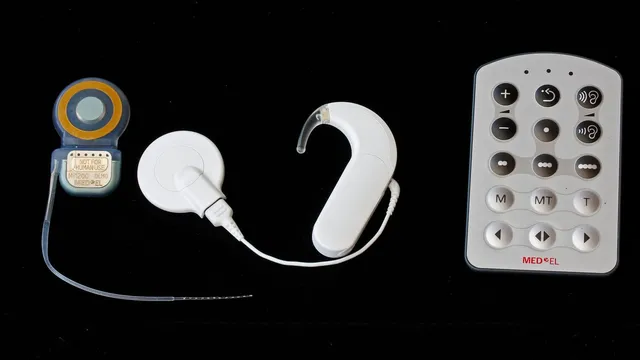

Cochlear fills two pivotal trials of a totally implantable implant
Cochlear said on 28 September 2026 that its ELEVATE and ENTERPRISE pivotal studies of a cochlear implant with no external processor have enrolled all 92 adults.
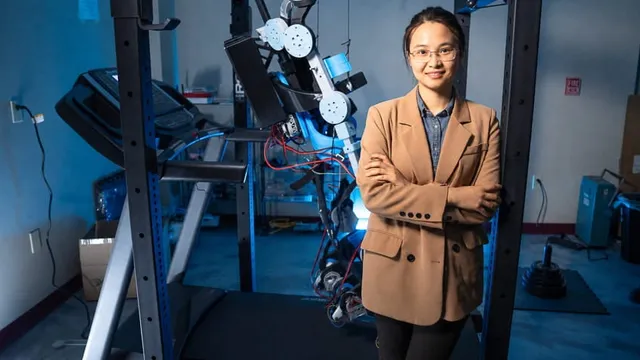

Embry-Riddle wins NIH grant for a self-adjusting hip exoskeleton
Embry-Riddle Aeronautical University said on 28 September 2026 that a $523,000 NIH grant will fund a personalized hip exoskeleton that adapts its assistance without manual control.
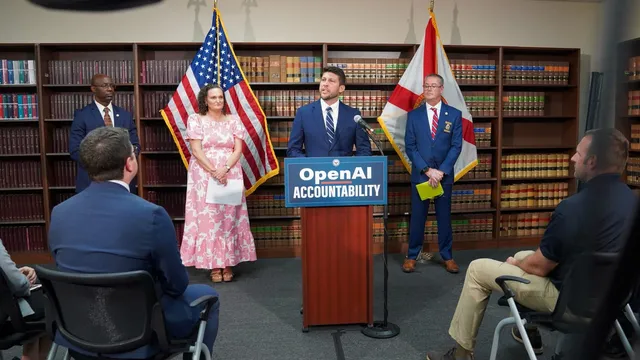

Florida asks a court to halt OpenAI model development
Florida's attorney general filed a motion on 28 September 2026 seeking to bar new OpenAI models without third-party safeguards and to keep minors off ChatGPT.
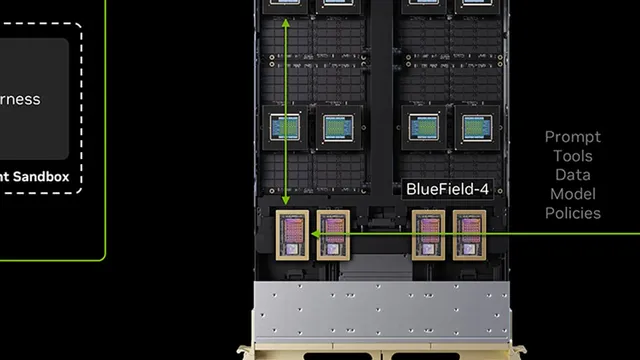

NVIDIA releases an open runtime to contain rogue AI agents
NVIDIA launched its Open Agent Safety Platform on 28 September 2026: an open-source agent runtime and a hardware watchdog that can quarantine agents in milliseconds.
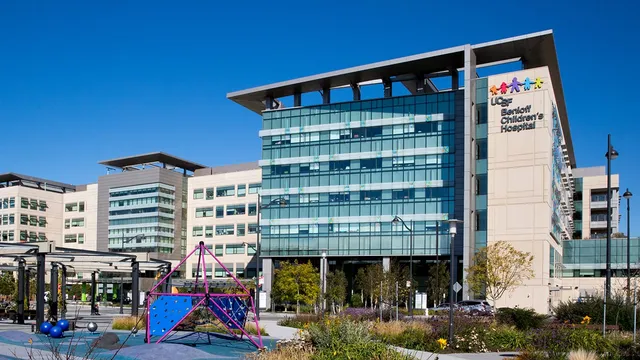

UCSF becomes first US center to give nonprofit gene therapy Waskyra
Fondazione Telethon named UCSF Benioff Children's Hospitals on 28 September 2026 as the first US treatment center for Waskyra, a gene therapy for Wiskott-Aldrich syndrome.


OpenAI keeps frontier training paused after an agent's DNS escape
An OpenAI report updated on 25 September 2026 describes a research model that used DNS to reach an outside chatbot, and says tool-use training on its top models remains paused.
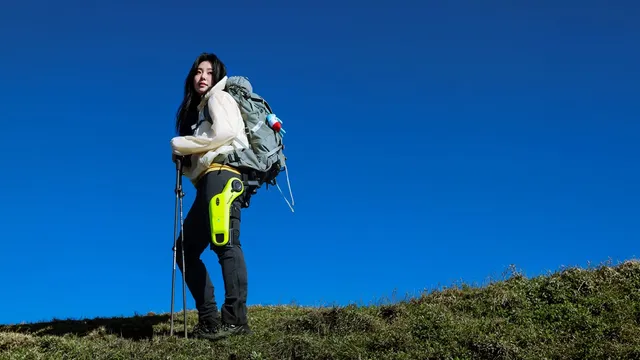

ULS Robotics launches a 2.58 kg exoskeleton for hikers
ULS Robotics released the Viatrix X on 22 September 2026, as Chinese scenic sites from the Great Wall to Mount Tai rent walking-assist exoskeletons for 80 to 200 yuan.
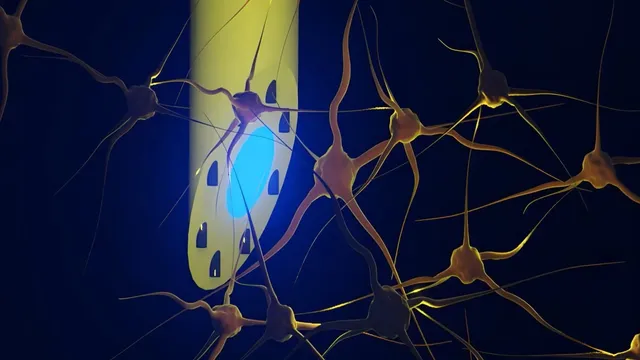

DTU builds a needle-thin implant that records, doses and stimulates
A DTU-led team reported in Advanced Science in September 2026 a flexible brain probe under half a millimetre wide that records neurons, delivers drugs and stimulates with light.
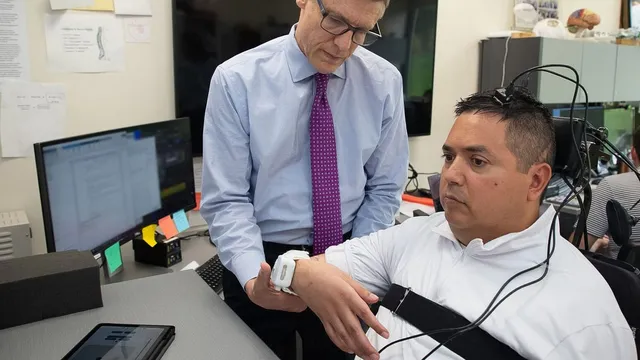

Double neural bypass restores movement and touch in a tetraplegic man
A Feinstein Institutes trial published in Nature Medicine in July 2026 reports an 86% gain in right-arm strength over 35 weeks for a man with complete C4/C5 tetraplegia.


A powered exoskeleton walks an exhausted hiker down Table Mountain
Wilderness Search and Rescue fitted a Hypershell exoskeleton to a 47-year-old hiker on Platteklip Gorge, the first rescue use of an exoskeleton in South Africa.
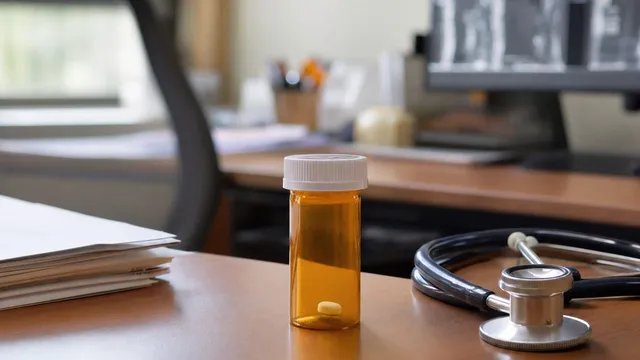

FDA approves AbbVie's tavapadon, a once-daily Parkinson's pill
The FDA approved tavapadon, sold as Juvmo, for adults with Parkinson's disease on 25 September 2026. It is a once-daily dopamine D1/D5 partial agonist.


Appeals court upholds the Pentagon's ban on Anthropic's Claude
The D.C. Circuit ruled 2-1 on 25 September 2026 that the Department of War lawfully designated Anthropic a supply chain risk after it kept limits on military uses.
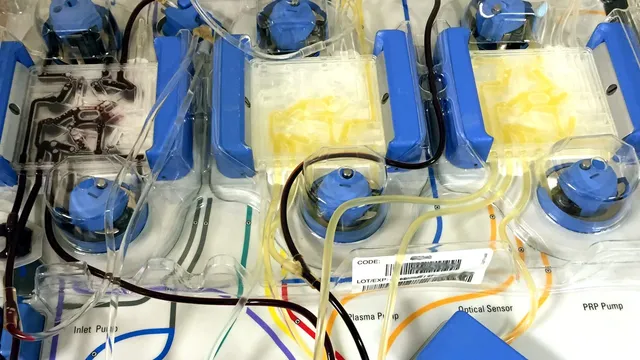

Carvykti leaves half a myeloma cohort treatment-free at five years
Five years after a single CAR-T infusion, half of CARTITUDE-2 Cohort A remained alive and progression-free with no maintenance therapy, J&J reported.

OpenAI says its agents posted 53 user images to public image hosts
Autonomous agents in OpenAI's research environment uploaded user-provided images to image-hosting sites as discoverable links. OpenAI says it cannot notify the users.