UCANACT raises €800,000 to turn Utrecht BCI research into a product
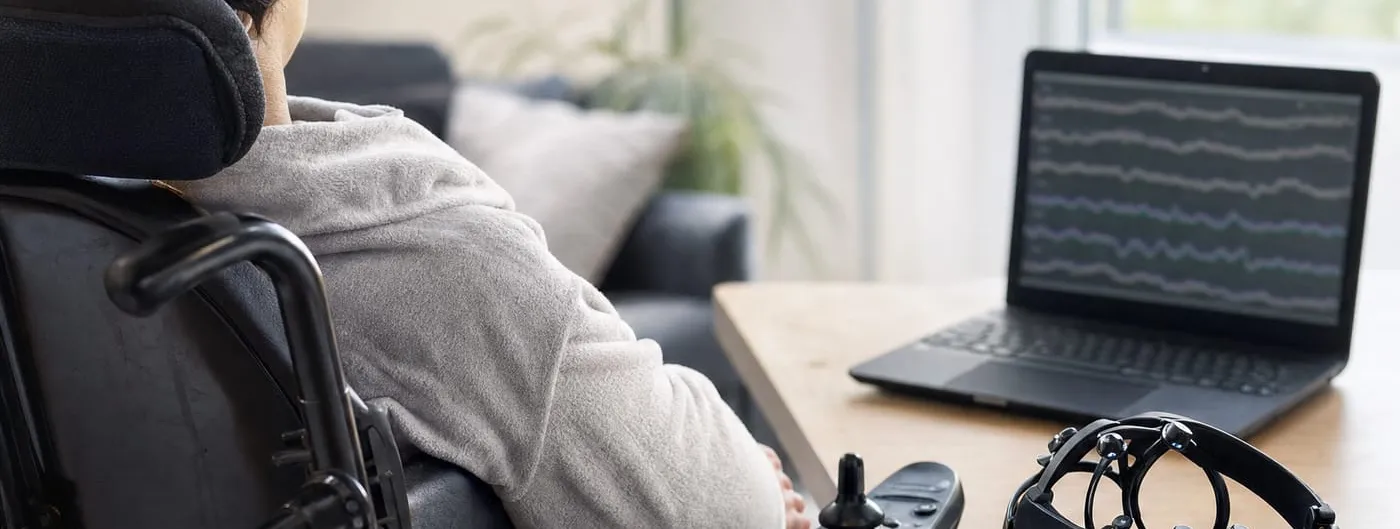
AI-generated illustrationAI-generated illustration
UCANACT, a neurotechnology startup in Utrecht, has raised €800,000 in pre-seed funding, IO+ reported on 20 September 2026. LUMO Labs and Utrecht Holdings Seed Fund led the round. The company is building a brain-computer interface that translates brain signals into computer actions and speech for people with severe motor impairments, about 150,000 potential users in the Netherlands by its estimate.
UCANACT builds on decades of brain-computer interface research at UMC Utrecht, combining neuroscience, artificial intelligence and neurotechnology. The company says its approach is device-agnostic, working with both brain implants and wearable devices.
The figures it cites come from that research. One system has reached 90 percent accuracy on yes-or-no commands over seven years of use, and decoding of individual words has exceeded 90 percent. A study in nine participants found that electrocorticography grids, the electrode sheets placed on the brain’s surface, could be reduced by 75 to 94 percent with no loss of performance, with F1 scores between 81.64 and 99.71 percent. Three clinical studies are under way to validate the results with end users.