Policy
47 pulses00 articles
Subscribe to Policy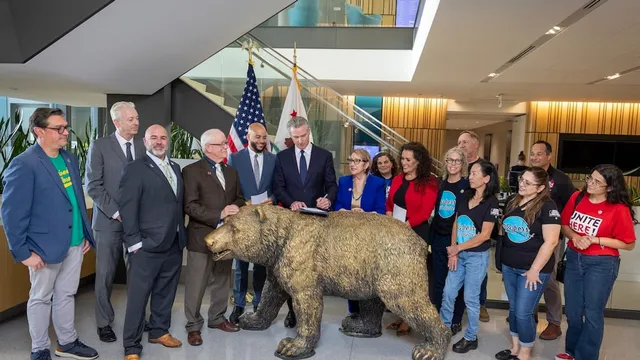

California signs AB 1883, barring employers from neural data
Governor Gavin Newsom signed the workplace surveillance bill on 30 September 2026. Its enrolled text bars employers from collecting workers neural data.


Six AI companies sign a White House frontier-model safety accord
On 29 September 2026, six AI firms signed an accord on controls for frontier models, alongside an order renaming AI "Super Intelligence" in US federal documents.


Florida asks a court to halt OpenAI model development
Florida's attorney general filed a motion on 28 September 2026 seeking to bar new OpenAI models without third-party safeguards and to keep minors off ChatGPT.


Appeals court upholds the Pentagon's ban on Anthropic's Claude
The D.C. Circuit ruled 2-1 on 25 September 2026 that the Department of War lawfully designated Anthropic a supply chain risk after it kept limits on military uses.


China's draft rules would bar AI companions for minors
A State Council draft published for comment by China's internet regulator on 18 September would forbid 'virtual companion' and 'virtual relative' services for minors.
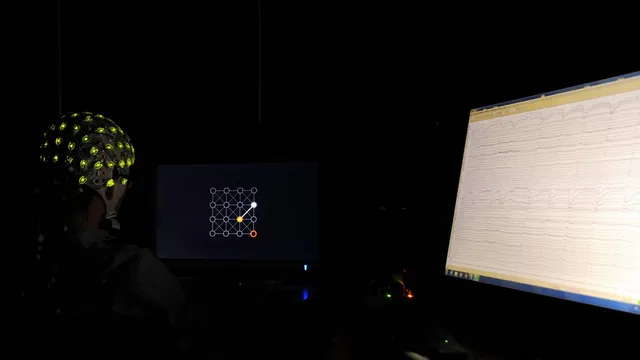

China sets a standard for the EEG data that trains BCI devices
The NMPA released a medical-device industry standard on 14 September governing how EEG datasets used by AI algorithms are collected, labelled and stored. It takes effect on 1 September 2027.
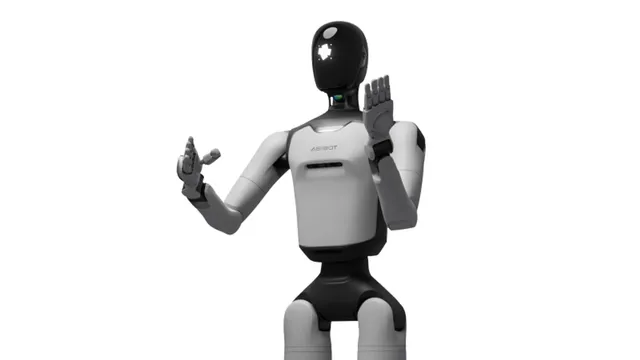

AGIBOT says its A3 Ultra cleared TÜV Rheinland certification
The Chinese humanoid maker announced RED DA, RED NB and Safety AK marks for its A3 Ultra at the close of IFA 2026, along with a European distribution partner.


Korea rewrites how digital therapeutics must prove they work
South Korea's drug regulator issued a revised guideline on 10 September 2026 for writing clinical trial protocols for digital therapeutic devices.

FDA takes up the first in vivo CRISPR therapy for review
The FDA accepted Intellia's application for lonvo-z on 8 September 2026 with priority review and a target decision date of 10 March 2027.


FDA officials open the door to new psychedelic trial designs
Four CDER leaders wrote in the New England Journal of Medicine that inert placebo may not be required, since psychedelic effects break the blind anyway.


UK commission sets out a staged licence regime for medical AI
The MHRA-convened National Commission proposes provisional authorisations, lifelong monitoring of AI devices, and public access to their safety records.


Reuters finds the PLA testing humanoid robots for combat
A review of more than 100 procurement notices, patents and papers found Chinese military institutions buying humanoids and studying how they might fight alongside troops.
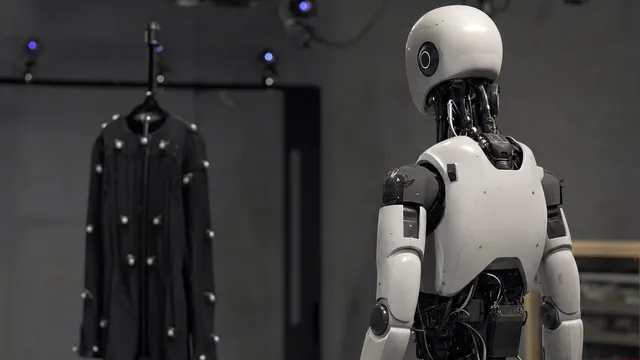

Korea picks NC AI and LG to teach humanoids human movement
A state-funded consortium will build a human-to-robot retargeting pipeline, converting captured human motion into movement a humanoid can execute on its own hardware.


China clears a weekly at-home injection for early Alzheimer disease
The NMPA approved a subcutaneous lecanemab autoinjector on 3 September 2026, moving anti-amyloid treatment out of the infusion suite and into the home.


New Zealand clears two psychiatrists to prescribe MDMA
Medsafe authorised two named clinicians to prescribe pharmaceutical-grade MDMA with psychotherapy for PTSD, while the drug itself stays unapproved.
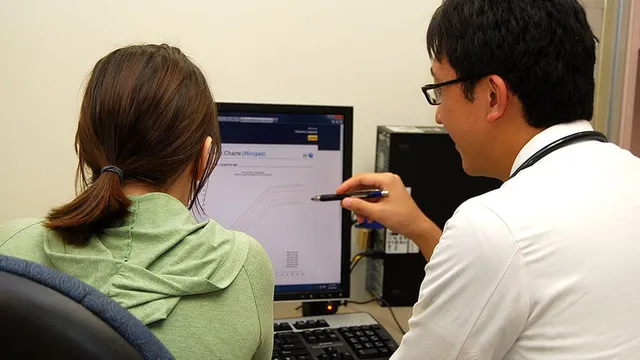

A review finds AI scribes lose the patient narrative
An Edinburgh review of 27 studies reports that ambient AI scribes miss non-verbal cues, deter disclosure of sensitive information, and dull clinician recall.
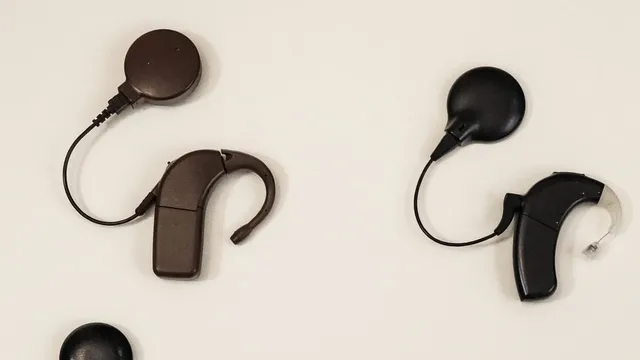

Ireland opens a review of adult cochlear implant funding
HIQA began assessing on 1 September whether to fund implants for adults with single-sided deafness and second implants for bilateral hearing loss.
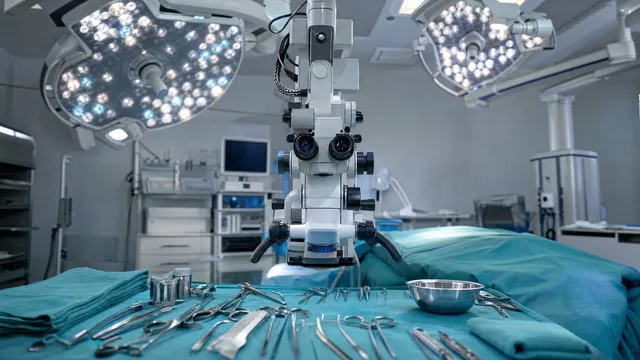

An FDA clearance opens the first trial for Mucolipidosis type IV
The FDA let an IND proceed for an AAV9 gene therapy delivered into the brain for MLIV, a disease the ML4 Foundation says affects fewer than 100 known children worldwide.
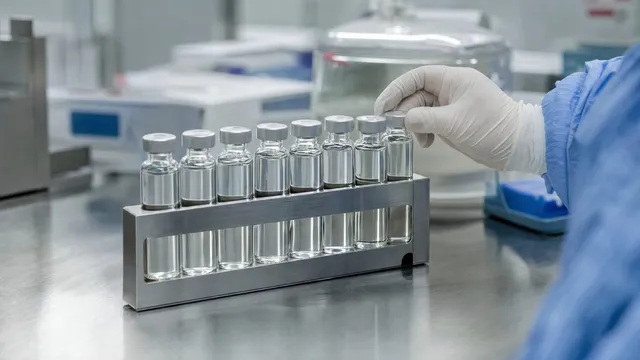

uniQure files for approval of a Huntington's gene therapy
uniQure submitted a BLA to the FDA and an MAA to the UK MHRA on 2 September 2026 for AMT-130, a one-time AAV gene therapy delivered into the brain by neurosurgery.
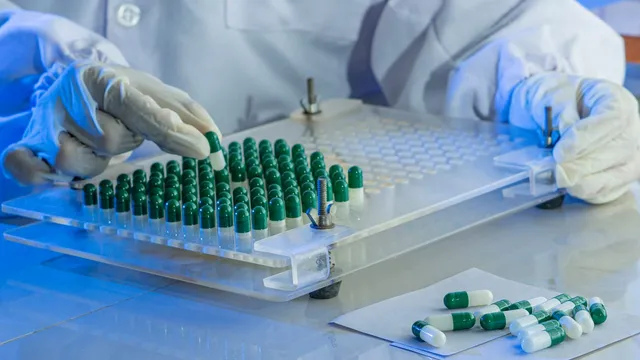

The MHRA pulls a vasculitis drug over unreliable trial data
From 1 September 2026 Avacopan Vifor may not be supplied to new UK patients, after the MHRA found the pivotal study unreliable; the licence is revoked in March 2027.
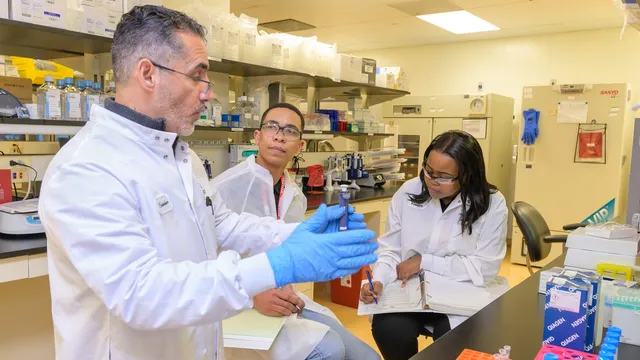

ARPA-H funds five teams to make RNA medicines on demand
The GIVE program commits up to $125 million to build distributed, automated manufacturing for individualized RNA-based genetic medicines.


NHS watchdog finds AI scribes getting drugs and diagnoses wrong
Healthwatch England reported on 31 August that AI consultation scribes are misrecording medical records, with patients catching the errors and no device regulation covering the tools.
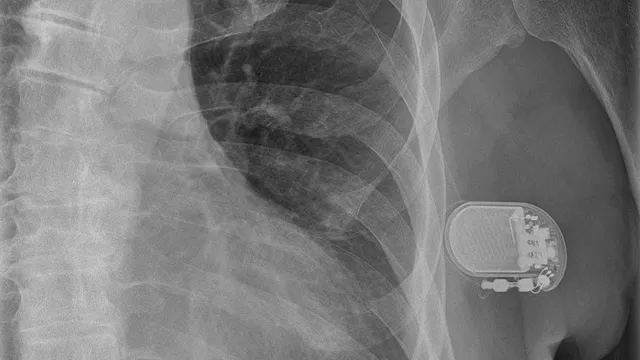

US stroke guideline takes up implanted vagus nerve stimulation
The AHA and ASA replaced their 2016 rehabilitation guideline on 27 August, and the device maker says paired VNS is named in it for upper-limb recovery.


NSF funds a centre on humans and robots adapting to each other
One of three new Science and Technology Centers sharing $90 million over five years will study how assistive robots and the people using them co-adapt.
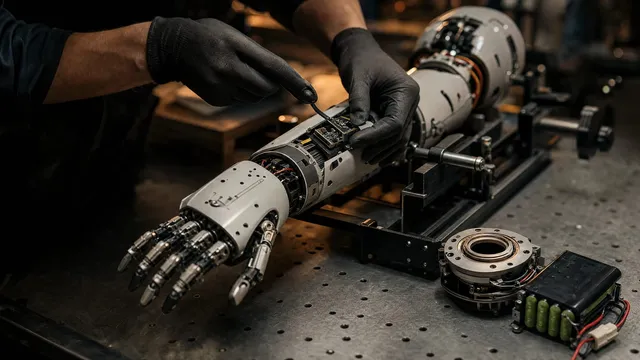

Korea commits 2.3 trillion won to a domestic humanoid stack
The budget ministry set out spending through 2030 to lift local content in key humanoid components from 45 to 80 percent and buy 1,080 Korean robots.
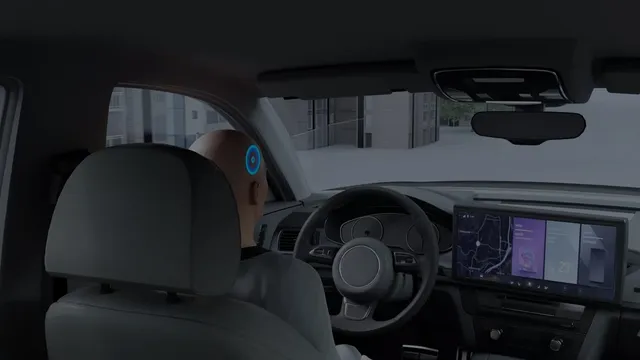

China opens comment on standards for consumer BCI and humanoids
MIIT put two draft industry standard-system guidelines out for public comment on 24 and 25 August, one of them covering non-medical brain-control devices for the first time.

FDA halts Regenxbio's Hunter syndrome gene therapy a second time
Spinal masses found on MRI in five participants treated three to six years ago led the agency to pause RGX-121 again, and the company shelved its resubmission.


US lawmakers ask the FDA to stop taking Chinese trial data on trust
Two representatives want China-generated data rejected unless the trial site has had an FDA audit within twelve months, citing three deaths in gene-editing and cell-therapy trials.
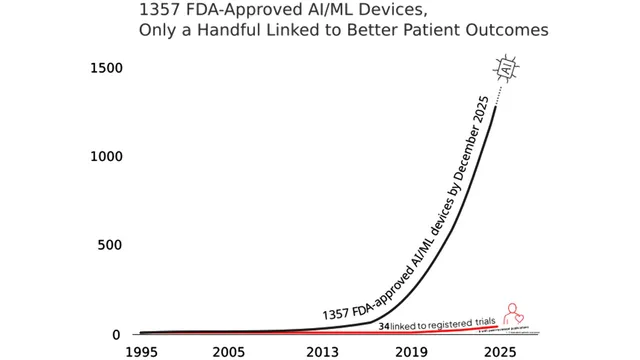

Three of 1,357 cleared AI devices were tested on patient outcomes
A PLOS Digital Health analysis found 34 of the FDA's AI/ML-enabled devices had a registered prospective trial and three measured mortality, morbidity or readmission.


FDA opens a public docket on generative AI medical devices
A CDRH discussion paper asks how to assess risk, evaluate before market and monitor after it for devices built on generative models; comments close 19 October 2026.
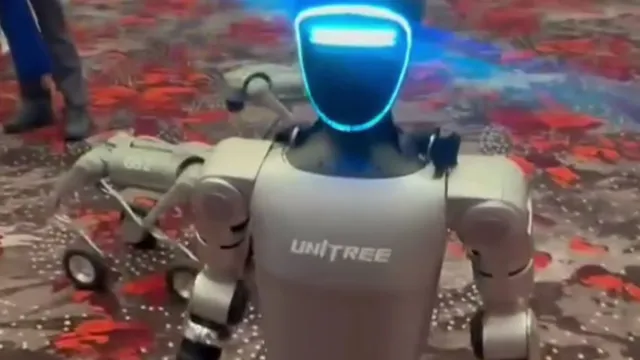

American Airlines bars humanoid robots, completing the big four
The policy took effect on 17 August 2026 and covers cabins and checked baggage alike; Southwest, Delta and United adopted the same rule earlier this year.
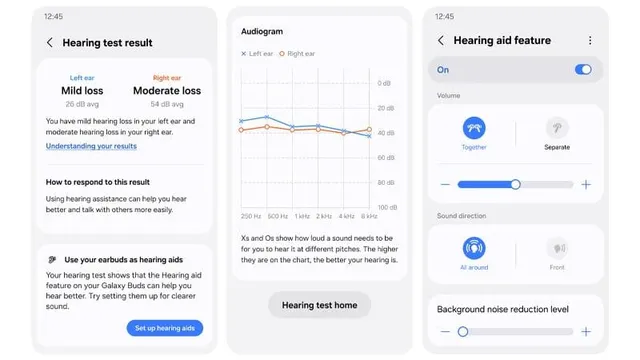

The FDA clears Samsung Galaxy Buds to work as hearing aids
Galaxy Buds3 Pro and Buds4 Pro get over-the-counter hearing-aid clearance for adults with mild to moderate hearing loss, shipping in Q4 2026.
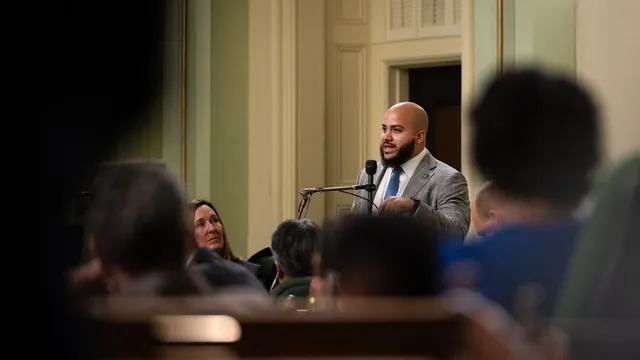

A California bill barring employers from neural data advances
AB 1883 would stop employers collecting workers neural data through surveillance tools, and a Senate committee voted 5-2 to amend and pass it on 13 August 2026.
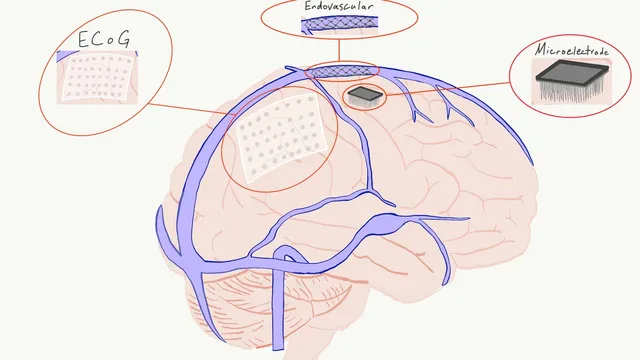

China insures the surgery that puts a chip in the brain
A state-linked insurer wrote what is reported as China's first commercial policy covering invasive brain-computer interface implant surgery, at a Zhejiang University hospital in Hangzhou.
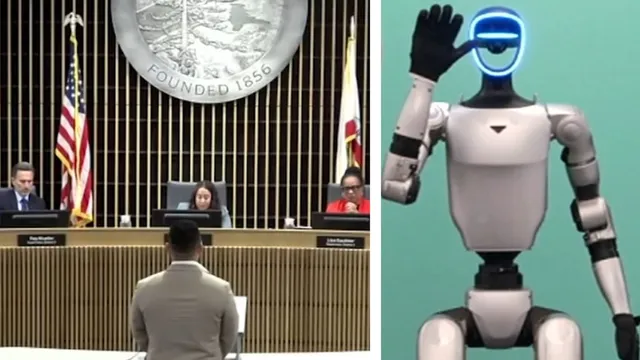

A California county moves to require a permit for humanoid robots
San Mateo County supervisors took up a measure tying commercial humanoid robots to permits, kill switches, human supervision and job-displacement tracking.
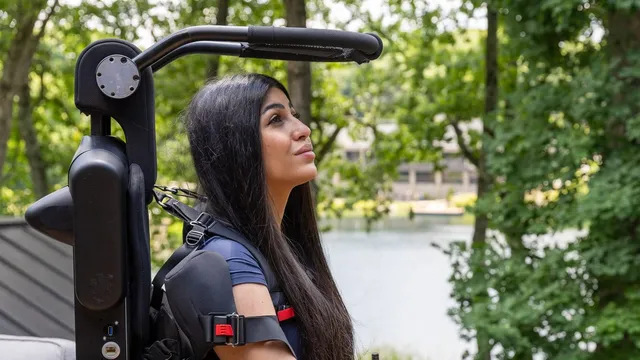

The FDA clears a self-balancing exoskeleton for use at home
Wandercraft's Eve is cleared for eligible wheelchair users with spinal cord injuries at any level, with a US commercial launch set for 17 September 2026.
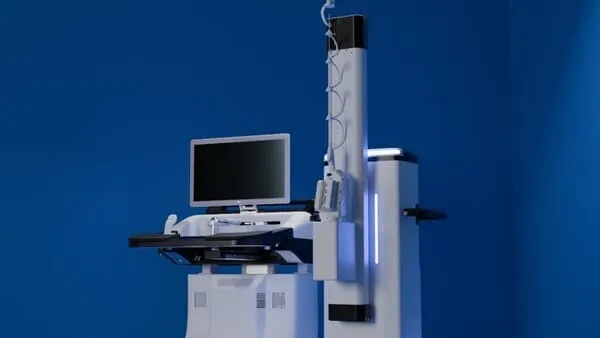

A Korean AI kidney-stone surgery robot clears the FDA
Roen Surgical says Zamenix P has 510(k) clearance as a Class II device, opening the US market to a robot that steers a flexible ureteroscope.
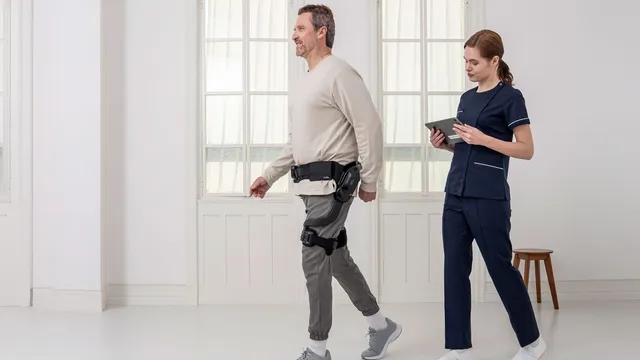

Angel Robotics registers its walking exosuit in Vietnam
The Angel Suit H10 cleared Vietnam's Class B medical-device declaration on 5 August 2026, the Korean maker's second overseas registration for the device.


A New York bill would bar humanoid robots from teaching
S.10671, introduced on 29 July 2026, would require every New York school district to adopt a policy prohibiting AI-enabled humanoid robots in an instructional capacity.


FCC adds foreign-made advanced robots to its Covered List
Public Notice DA 26-786 places foreign-produced advanced robotic devices and power inverters on the Covered List, closing the door on new FCC equipment authorizations.
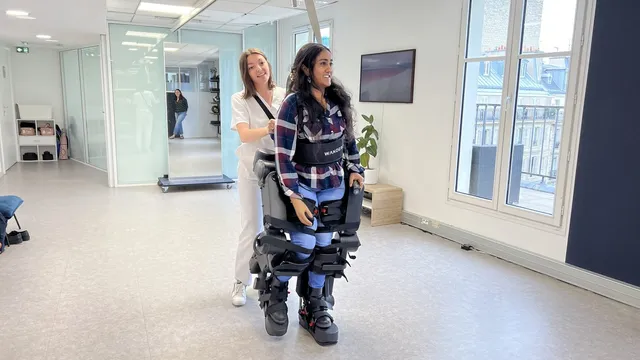

Ecuador clears Wandercraft's self-balancing walking exoskeleton
ARCSA cleared the Atalante X on 27 July 2026 for spinal cord injuries from C4 to L5, stroke hemiplegia and multiple sclerosis, opening Ecuadorian rehabilitation clinics to the device.


CRISPR Therapeutics reports FDA approval of Casgevy from age two
The company says the FDA cleared its gene-edited sickle cell and beta thalassemia therapy for children aged 2 and older, making about 5,500 more patients eligible.
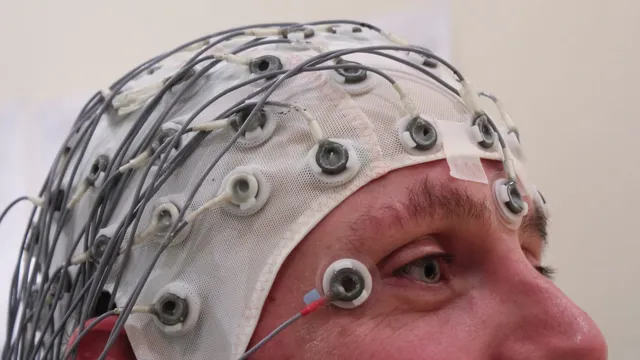

China puts its first national brain-computer interface standards in force
Two GB/T standards covering BCI reference architecture and multimodal data format took effect on 1 August, ending an era where every Chinese BCI lab defined its own formats.


The EU defers its AI Act high-risk duties by more than a year
Regulation (EU) 2026/1744 moves the high-risk obligations of Chapter III to 2 December 2027 and 2 August 2028, leaving the Article 50 transparency duties on their original date.
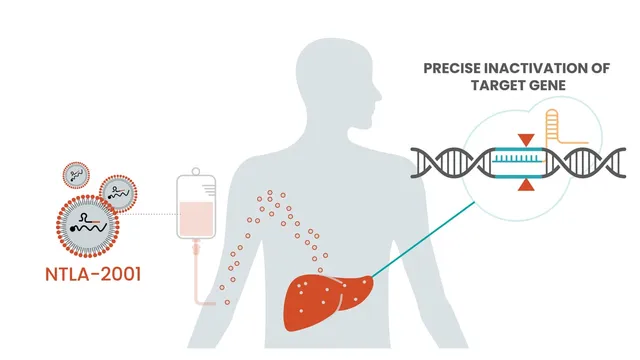

Intellia ties its worst liver signals to a single HLA allele
A genomic analysis of more than 600 samples found the highest liver enzyme elevations in Intellia in vivo CRISPR trials clustered in carriers of one HLA allele.


HuidaGene discloses a CRISPR trial death twelve months late
HuidaGene Therapeutics waited a year to disclose that a boy in the high-dose cohort of its Duchenne gene-editing trial died in August 2025.


The EU AI Act's transparency duties become applicable
From 2 August 2026, providers must disclose AI interaction and mark synthetic media, and deployers must tell people when emotion recognition or biometric categorisation is in use.