Biocompute
10 pulses00 articles
Subscribe to Biocompute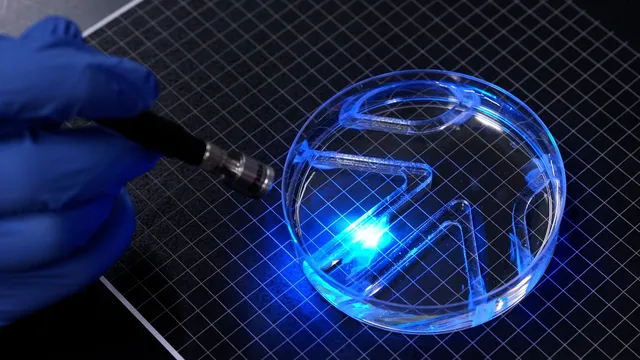

MIT swims a paper-thin robot on a single layer of muscle cells
An MIT team steered a gel robot covered in one layer of light-sensitive muscle cells through a water maze, the first thin-film muscle-powered robot to move.
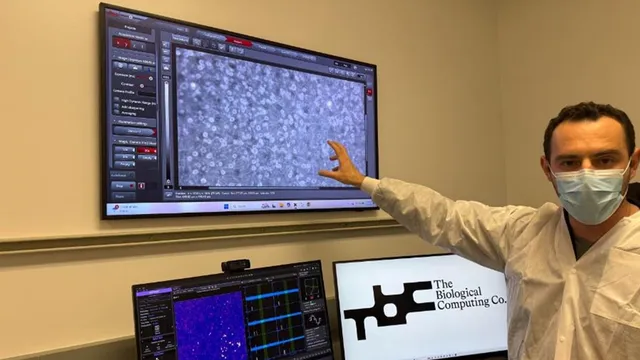

A video model tuned on living neurons goes to AWS customers
The Biological Computing Co. and AWS will sell a text-to-video model with a software layer derived from living neurons, which TBC says runs 5x faster.
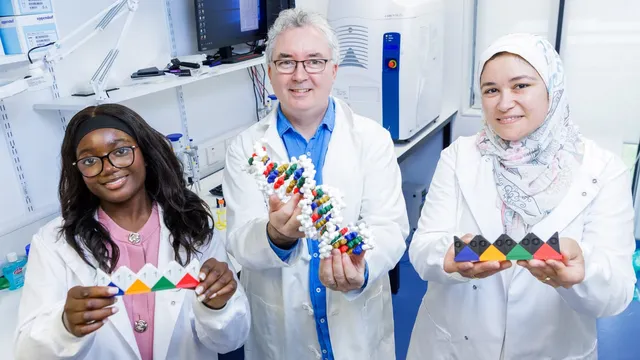

A DNA computer runs 100-bit arithmetic on heat, water and salt
Maynooth University built a molecular computer from DNA strands that multiplies, divides and adds without a continuous power supply.
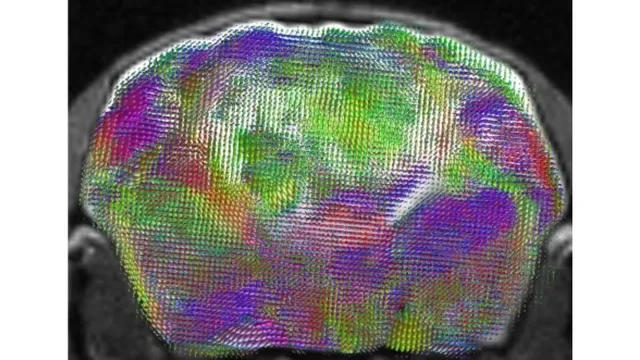

Human organoids grow into more than 90% of a mouse cortex
Human cortical organoids grafted into mice bred without a cortex made up more than 90% of cortical volume after three months.
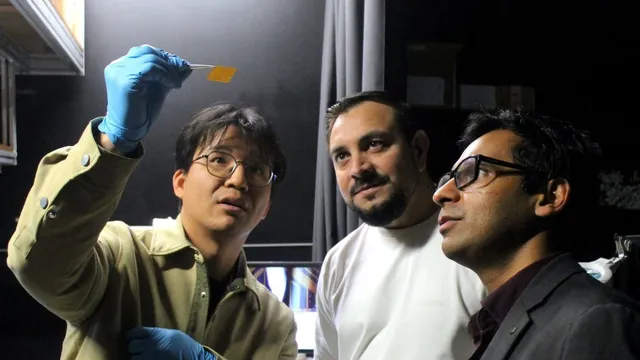

RMIT built a vision chip that remembers what it saw
A 2 cm molybdenum disulfide device announced on 9 September 2026 senses, stores and processes images in one place, the way a retina does — in the lab, for now.
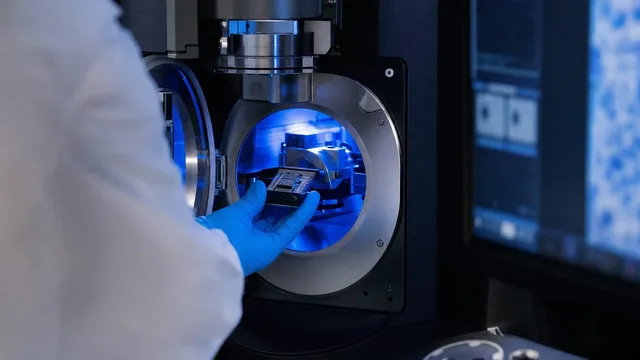

A natural enzyme reads an eight-letter genetic alphabet
UC San Diego showed with cryo-EM that ordinary E. coli RNA polymerase transcribes the synthetic Hachimoji alphabet accurately, published 2 September 2026.
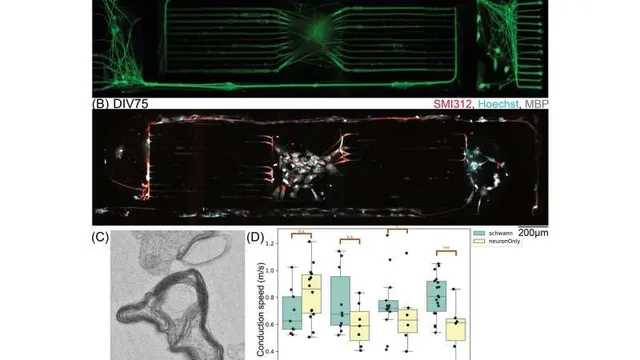

Lab-grown nerve hits human sensory conduction speed on a chip
A Rice and ETH Zurich hydrogel platform kept human neurons alive past 100 days and measured myelinated signals at human sensory nerve velocities.
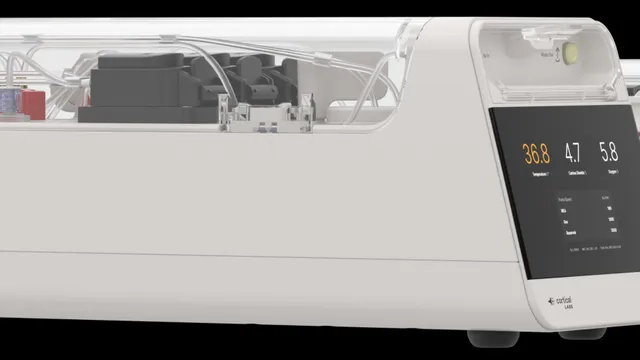

A server rack running on living human neurons switches on in Singapore
DayOne, Cortical Labs and NUS Medicine put twenty CL1 units into a working research rack drawing 800 to 1,000 watts, the first such rack operated independently.


An HIV drug reaches a Rett syndrome trial by way of orbit
Brain organoids flown to the ISS aged faster than Earth controls; the mechanism they exposed led to a clinical trial of lamivudine, now under way.
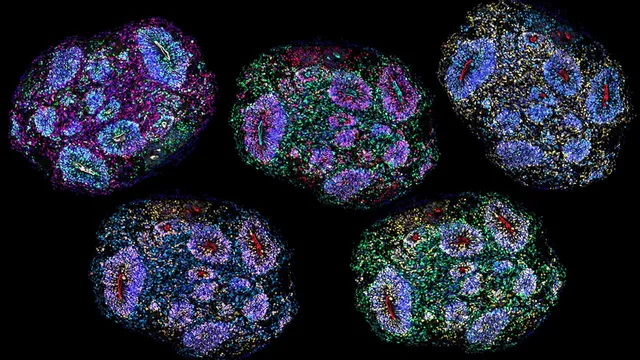

Brain organoids kept for six years aged on a human schedule
Harvard cortical organoids grown for nearly six years passed postnatal developmental milestones at the cadence of a real brain, tracked by three independent age clocks.