Sensory augmentation
39 pulses00 articles
Subscribe to Sensory augmentation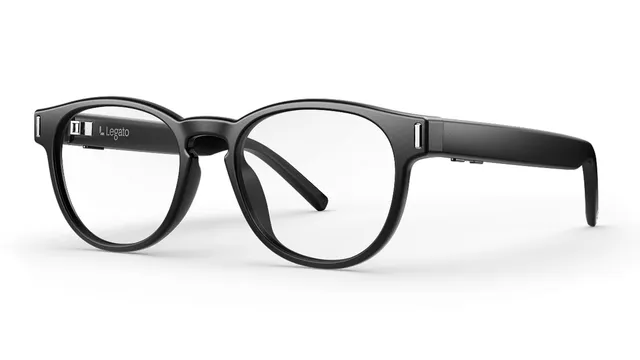

Legato puts its hearing glasses on sale from $999
Legato Frames, eyeglasses with speech-separating hearing assistance in the temple arms, went on sale in the US on 1 October 2026 in three styles.
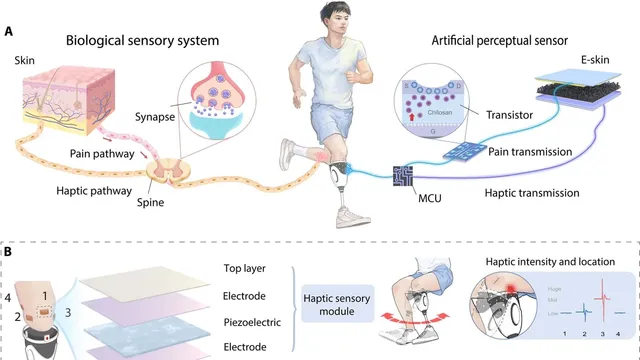

A prosthetic socket sensor mimics touch and pain perception
A Chinese team built a socket sensor array that separates touch from potentially painful pressure, tested in people with below-knee amputation.
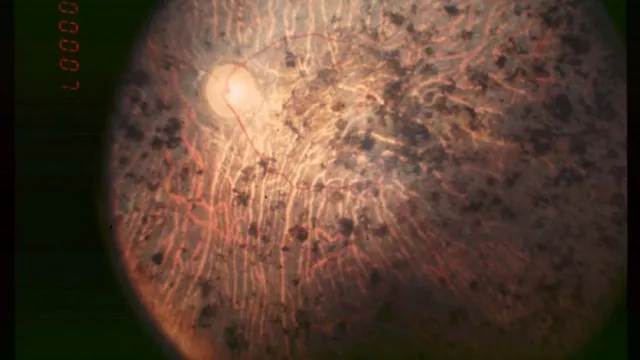

iRegene photoreceptor cell therapy cleared for trials in US and China
NouvSight001, an off-the-shelf photoreceptor replacement for retinitis pigmentosa, has trial clearances from China NMPA and the US FDA.
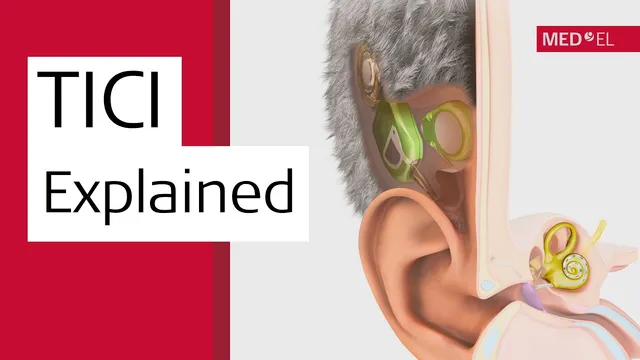

MED-EL launches a cochlear implant with nothing worn outside
TICI UNICO puts every component, the microphone included, under the skin. It carries a CE mark and went on sale in Europe on 29 September 2026.
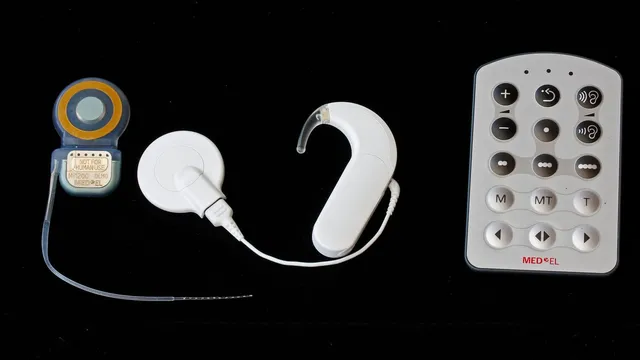

Cochlear fills two pivotal trials of a totally implantable implant
Cochlear said on 28 September 2026 that its ELEVATE and ENTERPRISE pivotal studies of a cochlear implant with no external processor have enrolled all 92 adults.
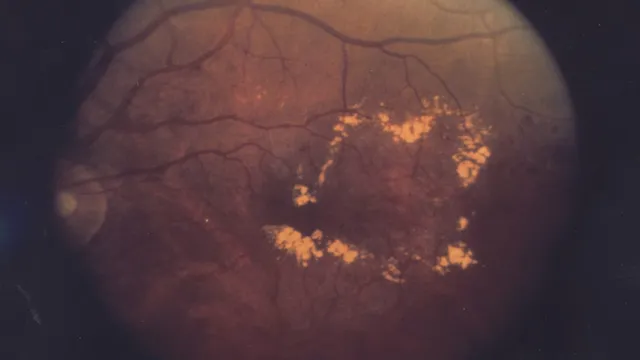

Merck's remigromig matches ranibizumab in a 984-patient DME trial
The Wnt-pathway antibody met its visual-acuity endpoint in the pivotal BRUNELLO study of diabetic macular edema, with more retinal adverse events than the comparator.


Meta's AI glasses get FDA-cleared hearing aid software at $149.99
Hearing Enhancement, announced at Meta Connect on 23 September 2026, turns supported Meta glasses into an over-the-counter aid for mild to moderate hearing loss.
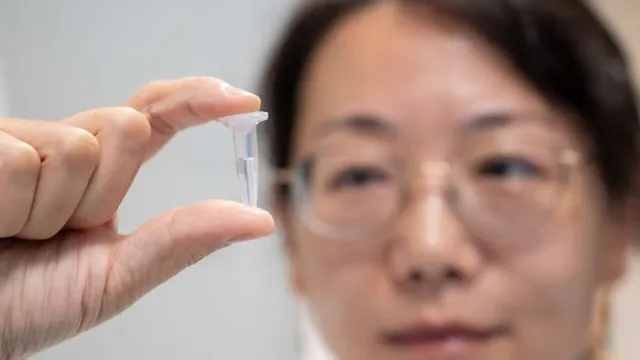

Injected nanoparticles make blind mouse retinas respond to light
Aarhus University reports hollow carbon nitride particles that turn light into signals for surviving retinal neurons, tested in blind mice and pig retina.


Beacon's XLRP gene therapy meets its pivotal endpoint
In the 85-patient VISTA trial, 31% of high-dose laru-zova recipients gained 15 or more letters of low-light acuity at a year, against none of the untreated controls.
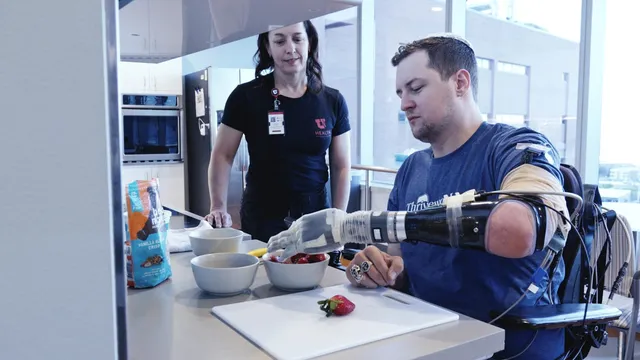

A bionic arm goes home for the first time
Alexander Davidson became the first person to take the University of Utah neuroprosthetic arm out of the lab, for a trial of at least a year.
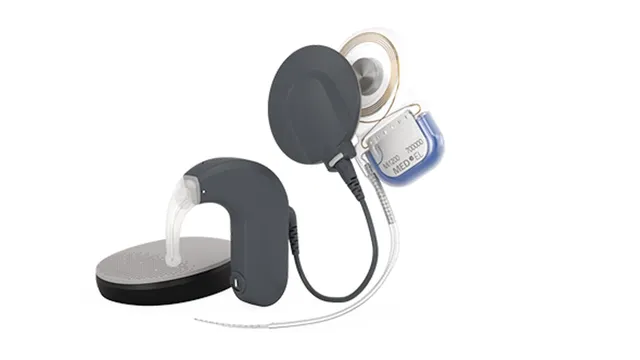

A study argues for cochlear implants in younger children
A 237-child multicentre study reports outcomes supporting implantation from seven months and in children who still have residual hearing.
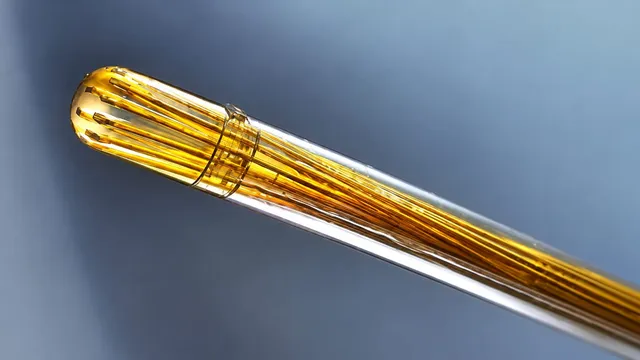

Phosphoenix raises EUR 1.3M for a vision implant that bypasses the eye
The Amsterdam company will use the round to prepare a first-in-human study of a 1,000-electrode implant that stimulates the brain visual relay directly.
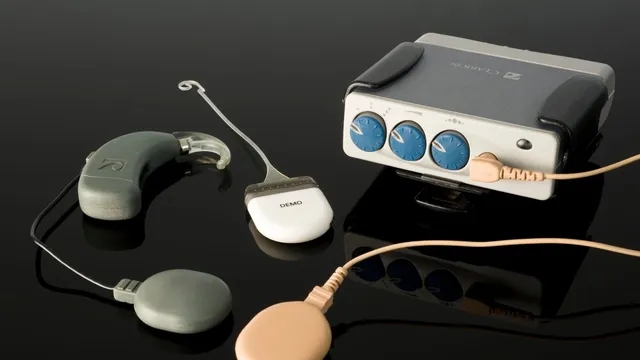

The cochlear implant's two pioneers share the 2026 Honda Prize
The Honda Foundation named Graeme Clark and Ingeborg Hochmair its 2026 laureates for the multichannel cochlear implant, now received by more than a million people.
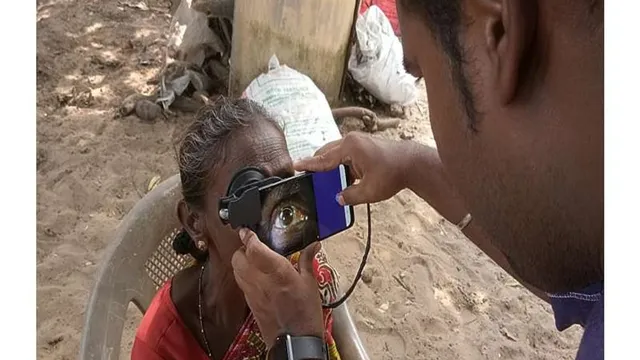

A phone attachment screened 1,093 rural eyes for cataract
Community health workers with three hours of training used a sub-£150 smartphone scope at 19 Tamil Nadu eye camps; their remote referral decisions matched in-person exams 96% of the time.
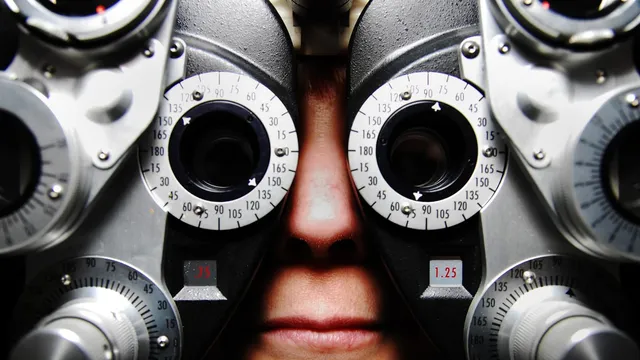

A phoropter test predicted who could adapt to blended vision
A defocus test on standard eye-testing equipment flagged the 1.66% of 1,341 patients who could not tolerate laser blended vision, presented at ESCRS on 13 September 2026.
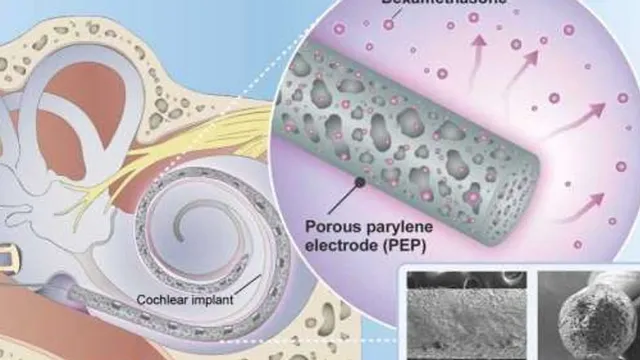

A cochlear electrode that releases its own anti-inflammatory
National Taiwan University reported a porous cochlear implant electrode that elutes dexamethasone, lowering inflammation and preserving hearing thresholds in preclinical tests.
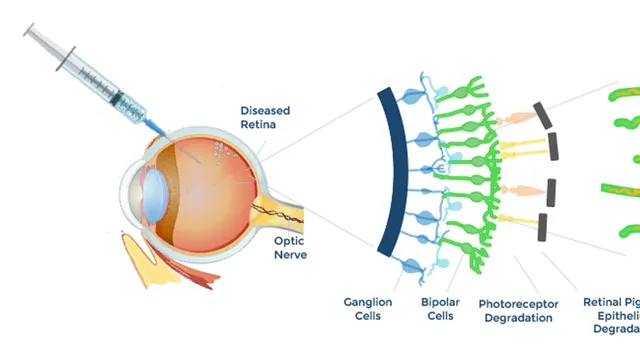

FDA accepts Nanoscope's BLA for optogenetic therapy MOGENRY
The agency filed Nanoscope's application for sonpiretigene isteparvovec on 9 September 2026, a one-time injection for retinitis pigmentosa with severe vision loss.
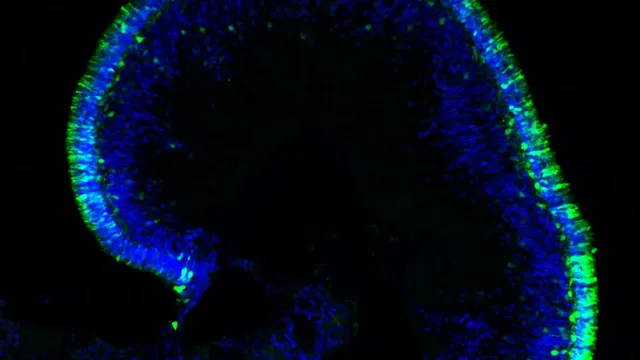

Opus Genetics reports first vision gains from BEST1 gene therapy
Three of five patients dosed in the BIRD-1 trial gained visual acuity, and the FDA agreed on a retinal-sensitivity endpoint for a pivotal study.
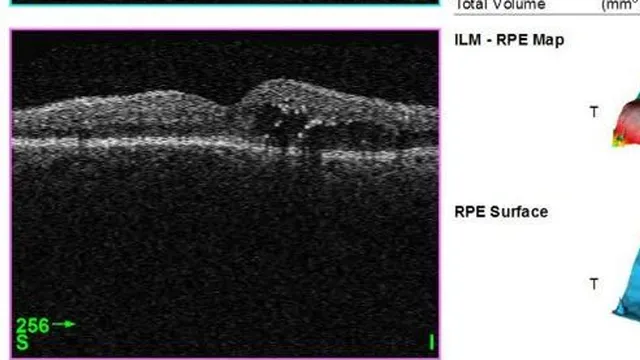

BioAge doses first patient in oral NLRP3 trial for macular edema
QUELL-DME will test whether a once-daily pill can hold vision in diabetic macular edema, including in patients who get no eye injections at all.
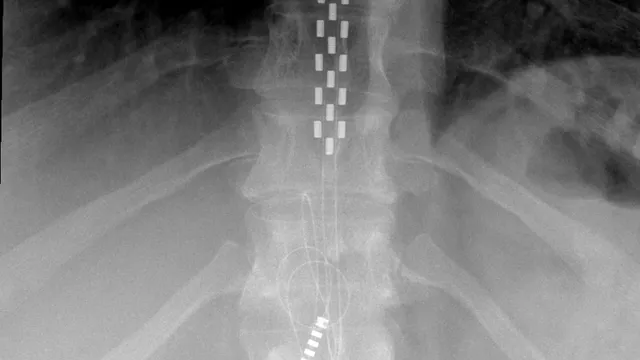

Spinal cord stimulation restored sensation in diabetic neuropathy
In a 91-patient trial across 13 US centres, 79.4 per cent on stimulation reached at least half pain relief against 4 per cent on medication, and nerve-fibre density rose 56 per cent.
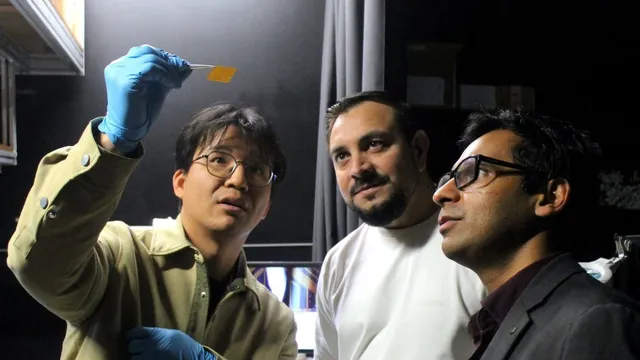

RMIT built a vision chip that remembers what it saw
A 2 cm molybdenum disulfide device announced on 9 September 2026 senses, stores and processes images in one place, the way a retina does — in the lab, for now.
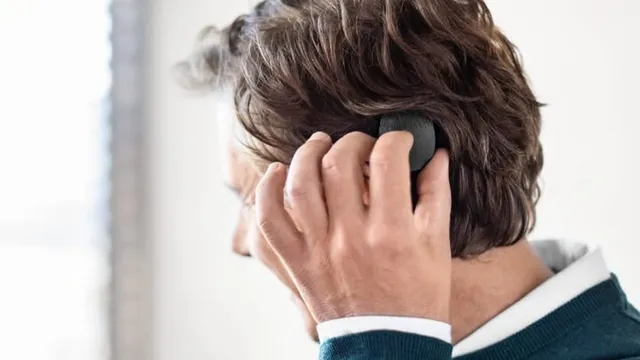

Cochlear implant processor satisfaction gets population norms
A survey of 861 cochlear implant users in Germany and the UK put median processor satisfaction at 8.7 of 10 and tied each point to longer daily wear.
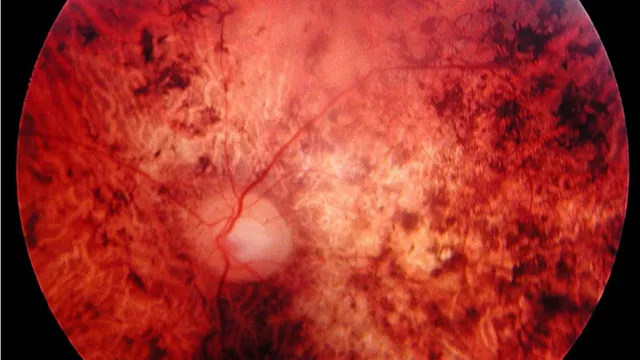

A daily pill slowed retinal atrophy in Stargardt disease
Alkeus published TEASE-1 results in JAMA Ophthalmology on 3 September 2026: oral gildeuretinol cut lesion growth 21.6% over 24 months in 50 patients.
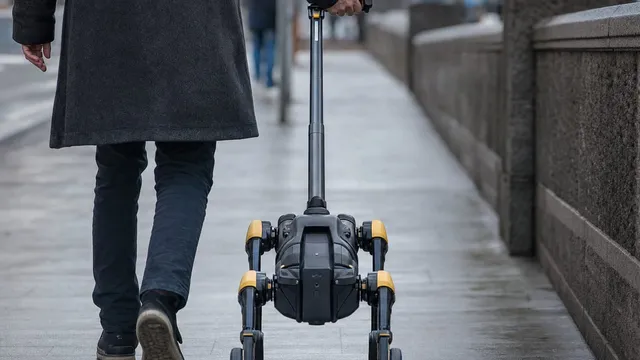

A wheeled-and-legged robot guide dog goes on show in Beijing
Zhiyuan Research Institute unveiled Xiaoyuan on 4 September 2026, a guide robot that rolls on flat ground and walks on four legs up stairs.
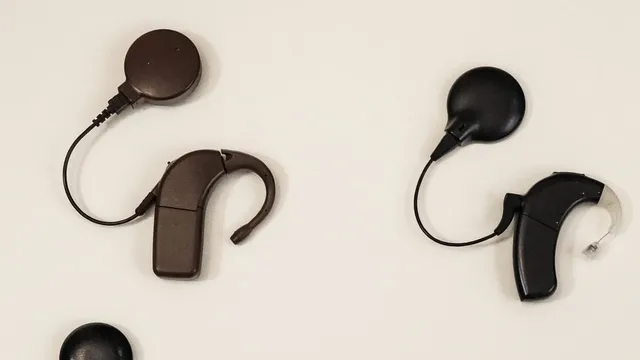

Ireland opens a review of adult cochlear implant funding
HIQA began assessing on 1 September whether to fund implants for adults with single-sided deafness and second implants for bilateral hearing loss.
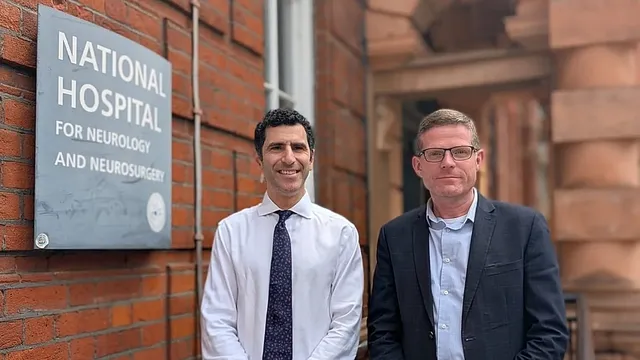

AI guides a live brain operation and the patient keeps his sight
Surgeons at UCLH removed a skull-base tumour using an AI that read the live surgical video feed and marked the vessels and nerves controlling vision.
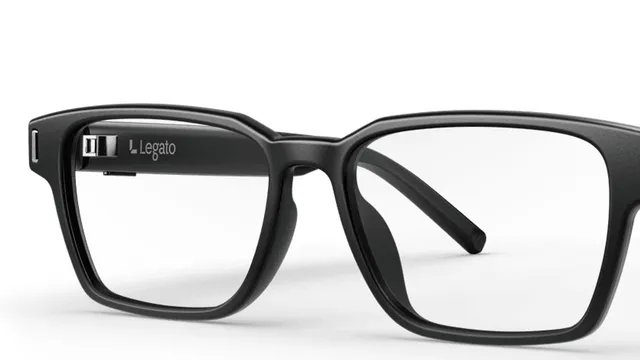

Legato leaves stealth with $12M and hearing aids built into frames
Two former Bose leaders put speech-separating hearing assistance in the arms of ordinary eyeglasses, with a launch set for autumn 2026.
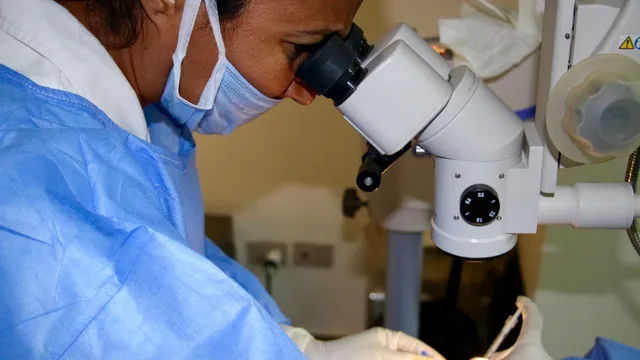

Mitochondria from a woman's leg were injected into her eyes
A Mount Sinai team reports the first intravitreal mitochondrial transplant, with pupil responses to light returning for days to weeks, in a preprint case report.
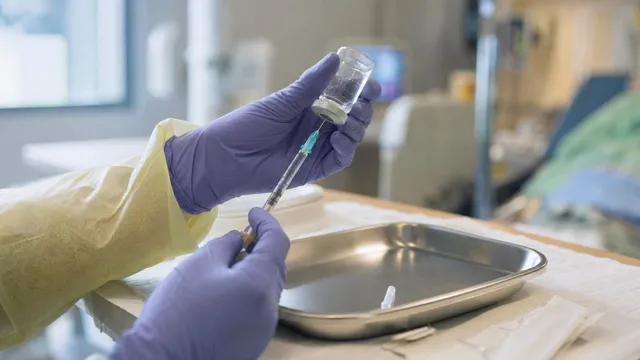

Alabama CHIP pays the way to a gene therapy for deafness
A child covered by Alabama ALL Kids received Otarmeni, the first FDA-approved gene therapy for OTOF-related hearing loss, at Boston Children's Hospital.
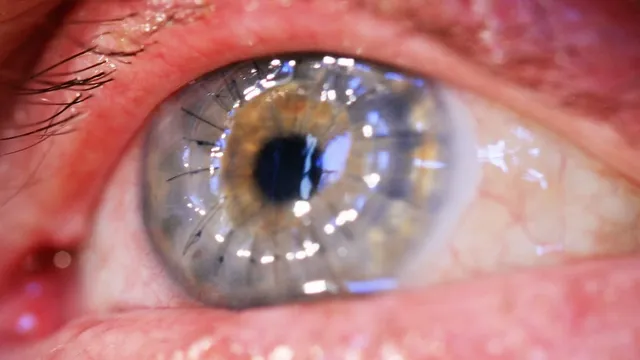

A two-cell corneal graft improves sight in aniridia keratopathy
Nine adults received a collagen scaffold carrying both limbal epithelial stem cells and stromal keratocytes; treated eyes improved on the ocular surface score while untreated fellow eyes did not.
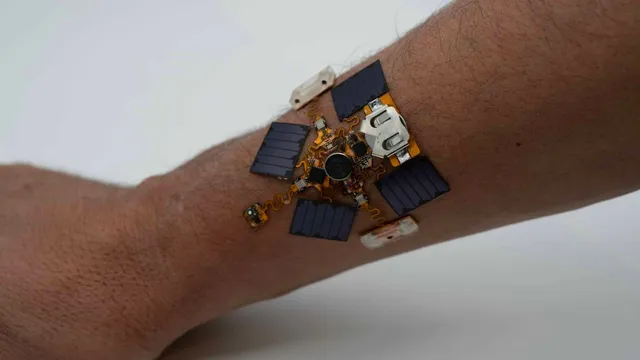

A wearable patch taps out which hazard it has just detected
NC State's solar-assisted patch senses six environmental hazards and tells the wearer which one through a distinct vibration pattern for each.
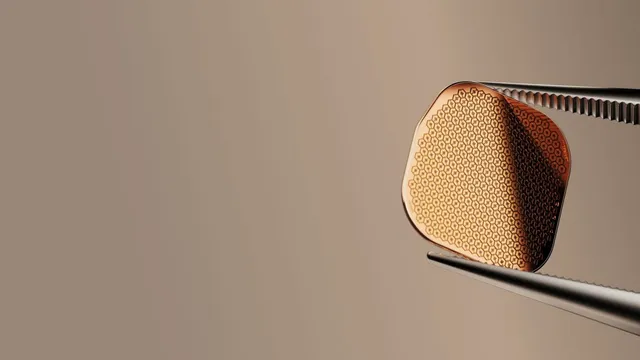

Science Corp's PRIMA retinal implant goes on sale across Europe
A subretinal photovoltaic chip received a CE mark covering 30 countries after a 38-patient trial reported a mean gain of 25.5 letters.
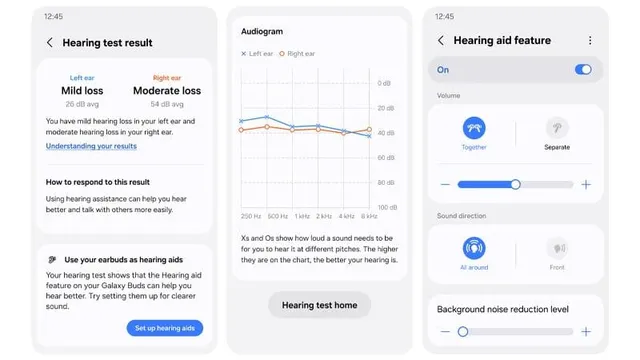

The FDA clears Samsung Galaxy Buds to work as hearing aids
Galaxy Buds3 Pro and Buds4 Pro get over-the-counter hearing-aid clearance for adults with mild to moderate hearing loss, shipping in Q4 2026.
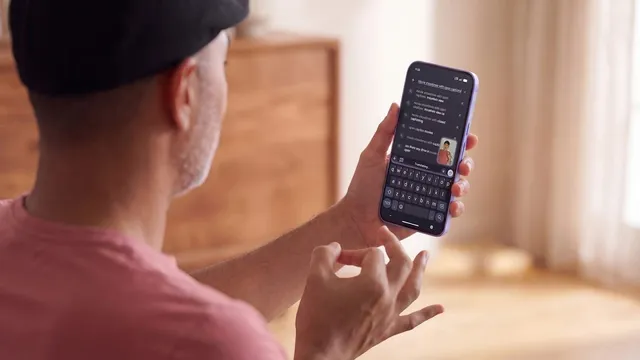

Google ships sign-language dictation on the Pixel 11
DeepMind's SL2T model puts American Sign Language dictation into Gboard and Live Transcribe on the Pixel 11, the first consumer product to carry sign-language translation.


A gene therapy for inherited deafness reaches its first child
Skylark Bio dosed the first patient in SONIX, a Phase 1/2 trial of SKY-GJB2, delivered as a single injection into the cochlea in children from nine months old.
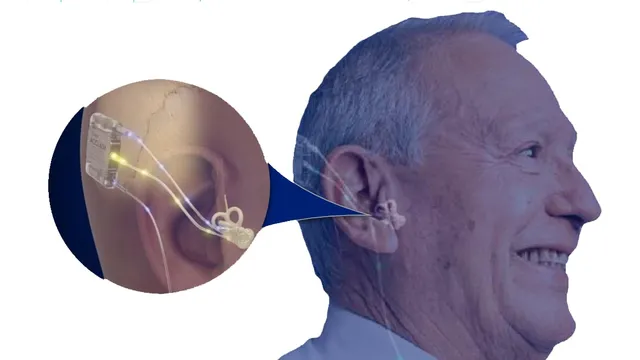

A fully implanted cochlear implant reaches its first PMA module
Envoy Medical submitted module one of four to the FDA for the Acclaim, and reported 53.2% word recognition at 12 months in its first ten pivotal-trial participants.
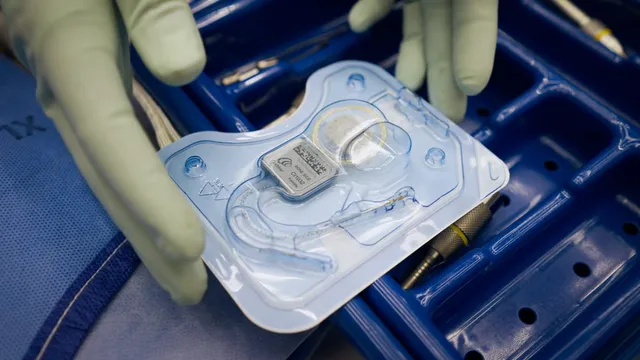

Four patients receive a vagus-stimulating cochlear implant
NYU Langone has implanted four people with a cochlear implant that repurposes one electrode to stimulate the vagus nerve and speed the brain's adaptation to sound.
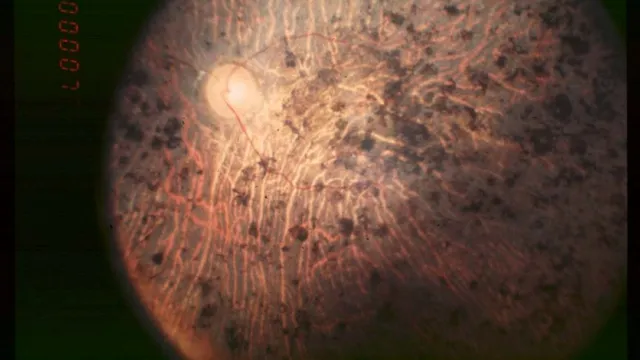

A 320-contact retinal implant returns partial sight after 20 years
Zhejiang Provincial People's Hospital implanted a 320-contact retinal visual BCI in a woman blind from retinitis pigmentosa; within two days she could tell letters apart.
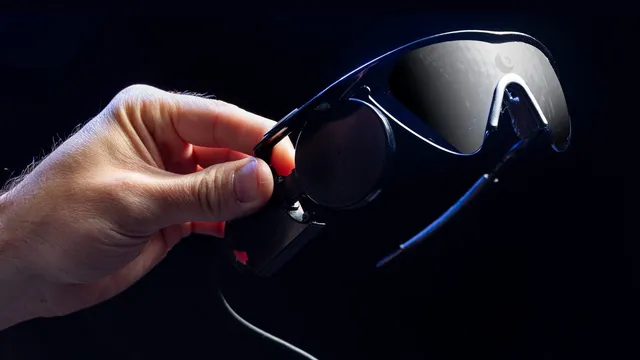

Deep learning shapes cortical stimulation in a blind participant
A neural network designed the stimulation patterns for a 96-channel implant in a blind man's visual cortex, reproducing target brain activity with less current.