Spinal cord stimulation restored sensation in diabetic neuropathy
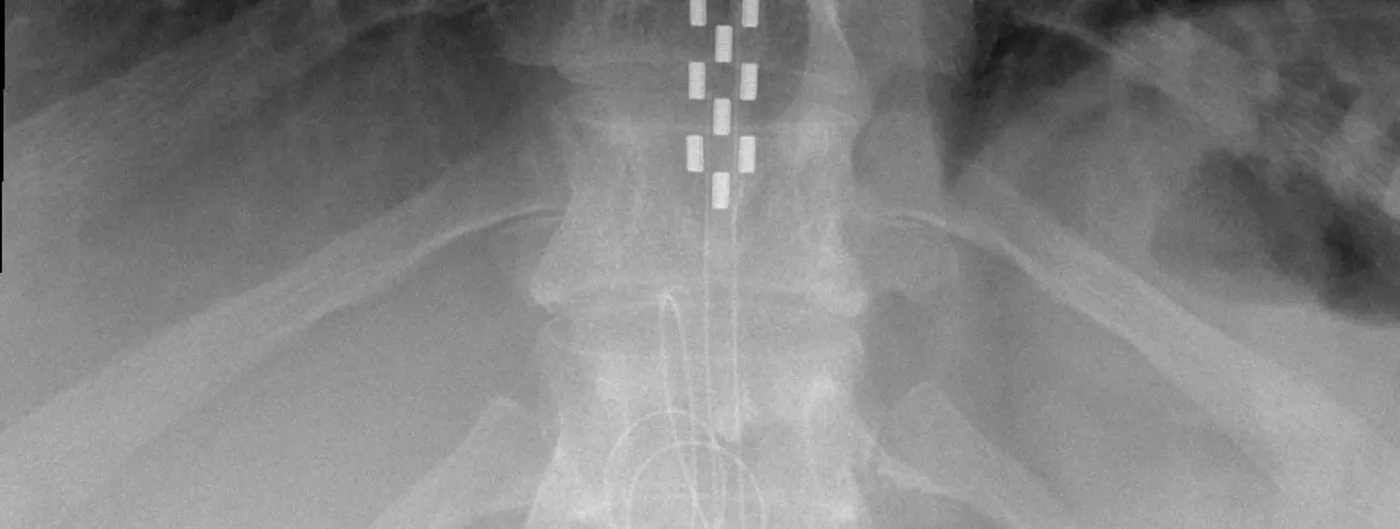

A randomised trial of 91 adults with treatment-resistant painful diabetic neuropathy, run across 13 centres in the United States and led by Robert W. Hurley of Wake Forest University School of Medicine, was published in Diabetes Care on 9 September 2026. Participants received spinal cord stimulation plus conventional management, or conventional management alone, and were followed for six months.
On pain, 79.4 per cent of those on temporary stimulation reached at least a 50 per cent reduction, against 4 per cent on medication alone. Among those who went on to a permanent implant and completed six-month follow-up, 93.1 per cent met that threshold.
The more interesting number is the one about feeling rather than hurting. Meaningful sensory improvement was recorded in 55.2 per cent of stimulation recipients against 25 per cent of controls, and skin biopsies showed an average 56 per cent increase in small nerve-fibre density in the lower calf. Diabetic neuropathy takes sensation away as it delivers pain, and an implant that suppresses the second while returning some of the first is doing more than masking a signal.
The researchers are explicit that the study was not designed to establish whether those fibres regenerated, or whether the effect lasts beyond the follow-up window.