Cochlear fills two pivotal trials of a totally implantable implant
Thomas Haslwanter, via Wikimedia Commons (CC BY-SA 4.0)CC BY-SA

Cochlear Limited announced on 28 September 2026 that enrolment is complete in the two pivotal trials of its totally implantable cochlear implant, a hearing system with no external sound processor worn on the head.
The ELEVATE study enrolled 56 adults at 11 sites in the United States, and the ENTERPRISE study 36 adults at five sites in Australia and Europe, for 92 pivotal participants. Counting three earlier feasibility studies that date back to 2005, the program has enrolled 117 people, more than 100 of whom have received implants. Cochlear says users have accumulated more than 1 million hours of experience across three generations of investigational devices.
The primary analysis of safety and effectiveness is planned at six months after implantation, with follow-up continuing to 12 months. Cochlear states that the system is not approved for commercial distribution and that its safety and effectiveness have not yet been established.
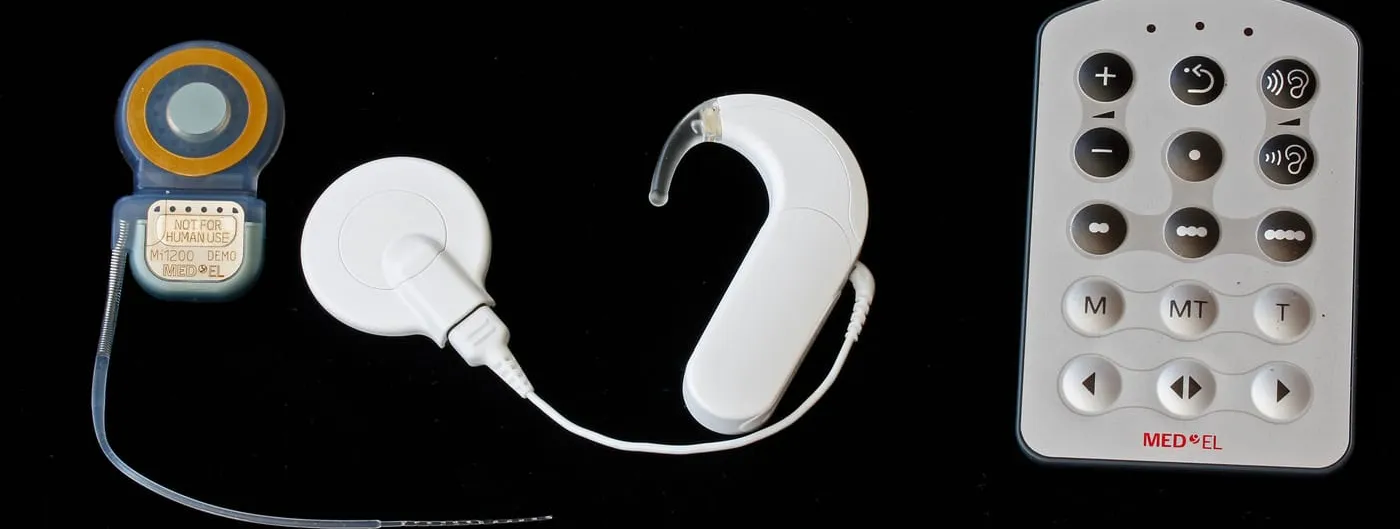
Conventional cochlear implants rely on an external processor and coil that are removed for sleep, swimming and bathing. A fully internal device would make restored hearing continuous.