BioAge doses first patient in oral NLRP3 trial for macular edema
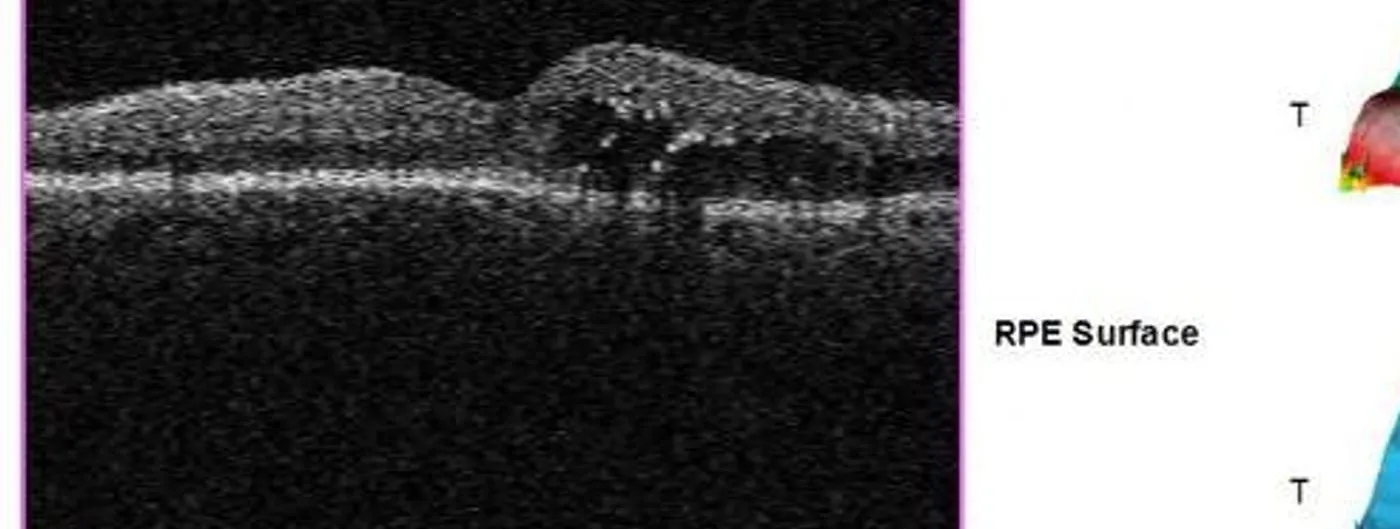

BioAge Labs dosed the first participant in QUELL-DME on 8 September 2026, a Phase 2 trial of BGE-102 in diabetic macular edema. The standard of care for that condition is an injection into the eye, repeated for as long as the disease lasts. BGE-102 is a once-daily 90 mg tablet.
The drug blocks NLRP3, the inflammasome that assembles inside cells under metabolic stress and drives chronic inflammation — one of the mechanisms BioAge works on as a company built around the biology of aging. BGE-102 is described as brain-penetrant, which matters for the company’s wider programme more than for this indication.
QUELL-DME will randomise roughly 180 adults across three arms: intravitreal anti-VEGF with an oral placebo, anti-VEGF plus BGE-102, and — the arm that carries the real question — a sham injection plus BGE-102 alone. The primary endpoint is change in best-corrected visual acuity at week 12, with four weeks of follow-up after dosing ends. Results are expected in the second half of 2027.
The sham-injection arm is what makes this worth watching. A pill that adds to anti-VEGF is an improvement; a pill that works without it would change what the treatment costs a patient in clinic visits and needles, not just in acuity letters.