The cochlear implant's two pioneers share the 2026 Honda Prize
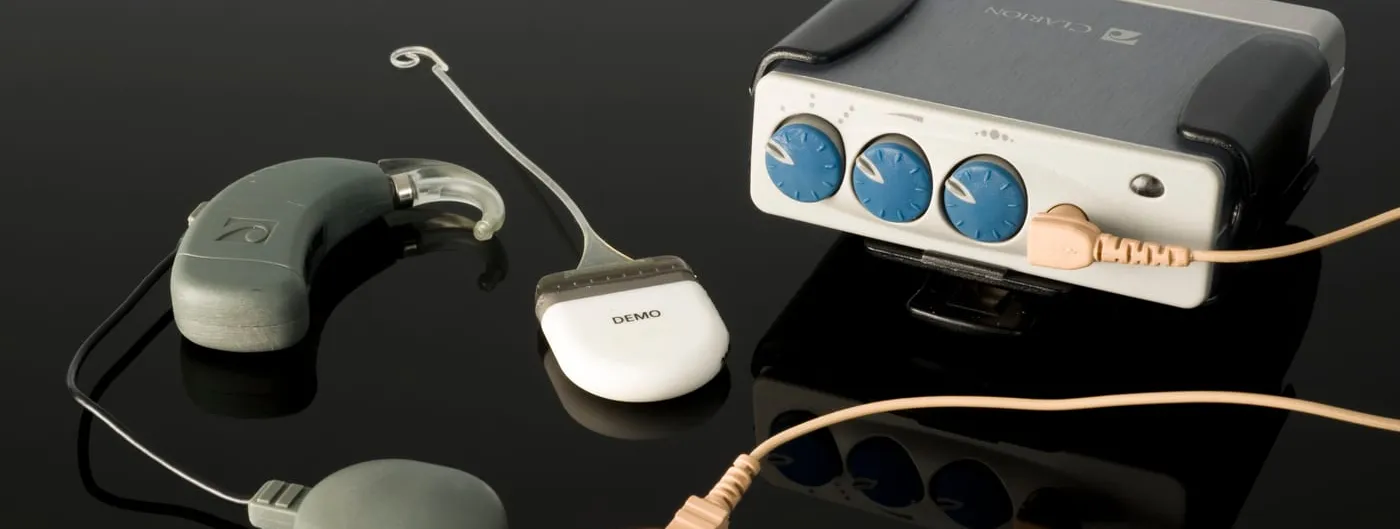

The Honda Foundation announced on 15 September 2026 that Professor Graeme M. Clark, laureate professor emeritus at the University of Melbourne, and Dr Ingeborg Hochmair, co-founder and chief executive of MED-EL in Austria, share the 2026 Honda Prize for the multichannel cochlear implant.
The two arrived at the same device from different directions and roughly a decade apart. Clark began his research in 1967 as an otolaryngologist and led the Melbourne team that performed the first multichannel implant surgery in 1978. Hochmair started work in 1975 at the Technical University of Vienna; in 1977 her team, with Erwin Hochmair and Kurt Burian, achieved a multichannel implantation of its own.
The distinction that mattered was the channel count. A single-channel implant delivers a crude sense that sound is present. Splitting the signal across electrodes placed along the cochlea maps frequency to position the way a working ear does, which is what turned the device from a sound detector into something a person can understand speech through.
More than one million people have now received cochlear implants. The ceremony is set for 16 November 2026 at the Imperial Hotel in Tokyo, where the two share a prize of 10 million yen.