Four patients receive a vagus-stimulating cochlear implant
NYU Langone HealthPress kit
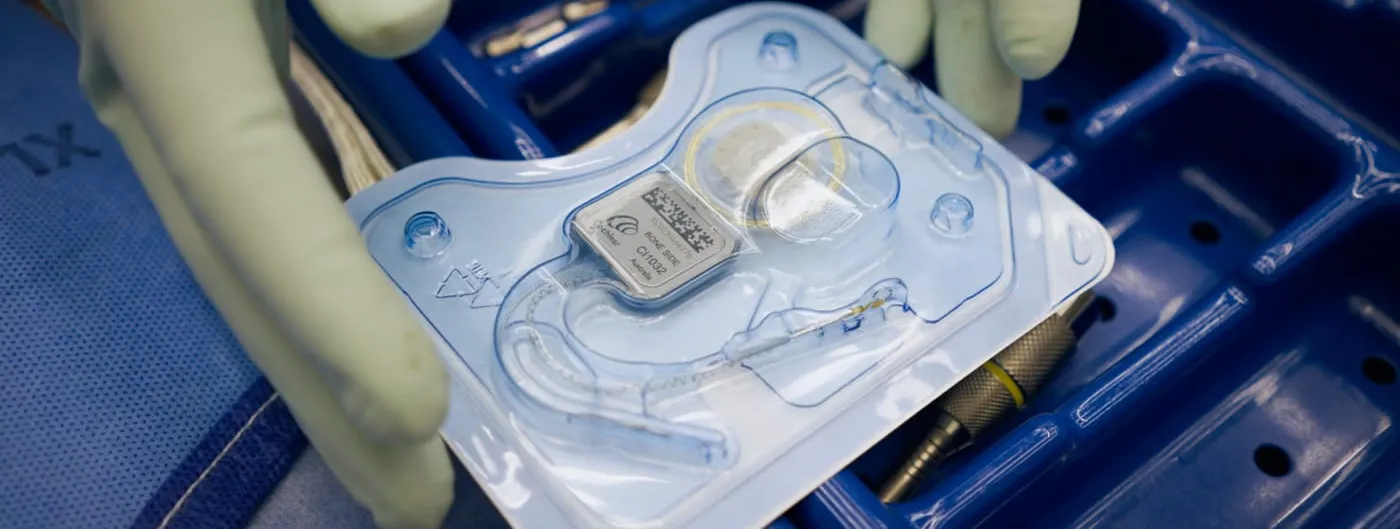
NYU Langone Health disclosed on 10 August 2026 that J. Thomas Roland Jr., a surgeon at its Cochlear Implant Center, has implanted four patients with a modified cochlear implant that repurposes one of the device’s existing electrodes to stimulate a branch of the vagus nerve.
The reasoning comes from animal work in the laboratory of Robert C. Froemke, who holds appointments in otolaryngology and neuroscience. Stimulating that vagus branch activated the locus coeruleus, a small brainstem region governing alertness and the brain’s readiness to learn, and left the animals’ brains more receptive to unfamiliar sounds.
The target is not the ear but the learning that follows it. A cochlear implant delivers a coarse electrical version of sound, and recipients spend months learning to interpret it; Froemke describes the brain as trying to learn a new language that arrives muffled. If vagus stimulation raises the brain’s readiness to learn during that period, adaptation should come faster.
The trial will compare performance on difficult listening tasks with the stimulation switched on and off. Ariel E. Hight, a postdoctoral fellow in Froemke’s laboratory, is among the researchers.
Four patients have been implanted and no listening results have been reported yet.