Cognition
31 pulses00 articles
Subscribe to Cognition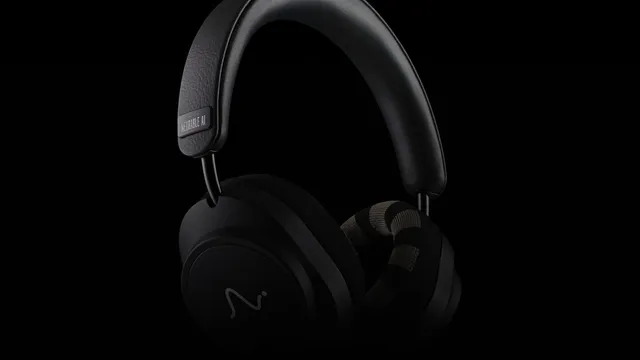

Neurable One headphones carry 12 EEG sensors for $499
Neurable launched over-ear headphones with dry EEG in the ear pads that track focus, fatigue and a brain-age estimate, on sale in the US.
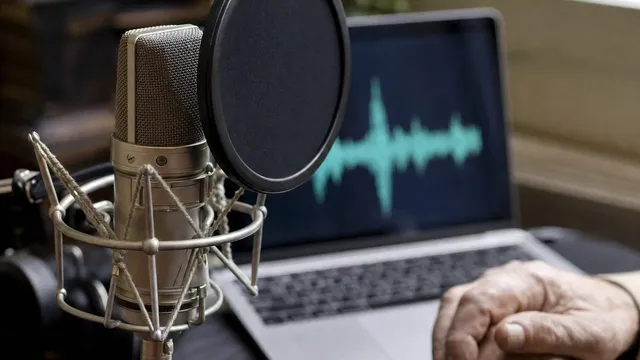

A speech clock reads biological ageing from 2,928 voices
A Science Advances study links the gap between speech-predicted and actual age to brain atrophy, DNA-methylation clocks, p-tau217 and social adversity.
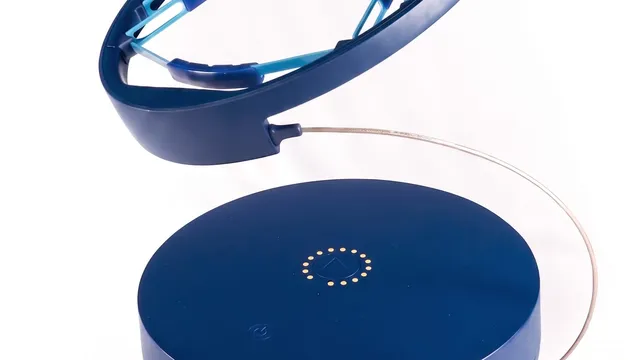

A magnetic therapy headset improves long COVID cognition in a pilot
In a 30-person sham-controlled trial at Mount Sinai, at-home sessions improved working memory, processing speed and mood, with gains lasting to week eight.
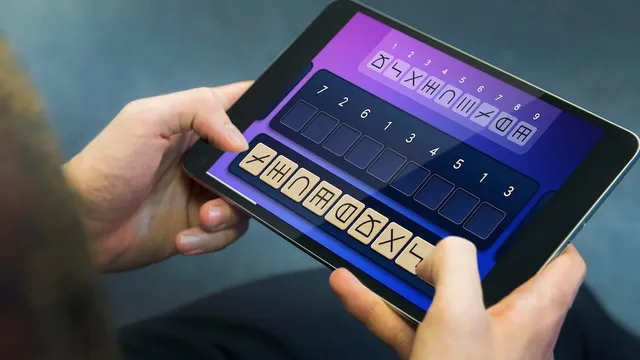

A two-minute tablet task matched 45-minute Alzheimer's screeners
Cumulus Neuroscience pooled about 1,280 participants across more than 25 sites and reported its Symbol Swap task separated cognitive groups as well as screeners taking 20 to 45 minutes.
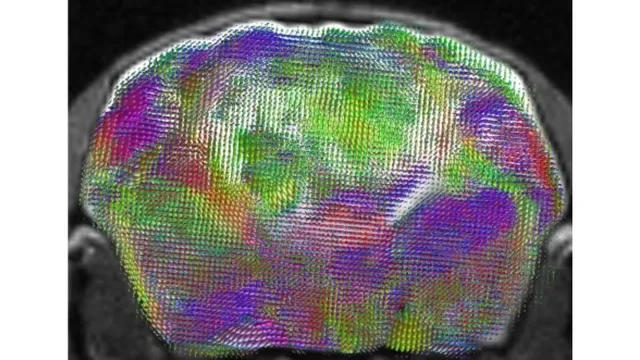

Human organoids grow into more than 90% of a mouse cortex
Human cortical organoids grafted into mice bred without a cortex made up more than 90% of cortical volume after three months.
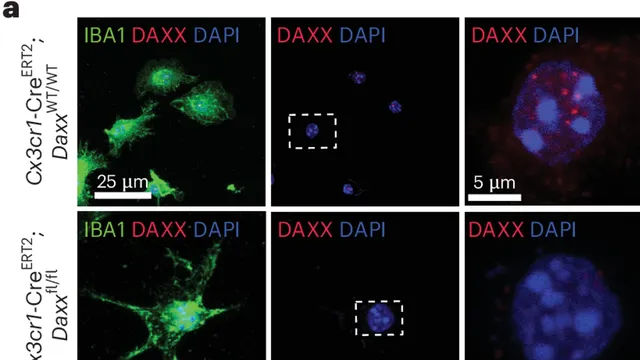

A chromatin protein keeps ancient viruses quiet in microglia
DAXX declines with age in the brain immune cells, letting dormant retrotransposons reactivate and driving DNA damage, senescence and neuroinflammation.
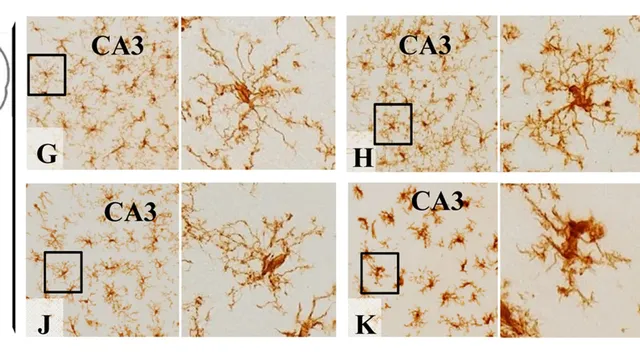

The human hippocampus remodels itself between 50 and 75
A Science study finds embryonic microglia giving way to blood-derived immune cells, blood-brain-barrier populations thinning, and 3D genome architecture eroding in midlife.
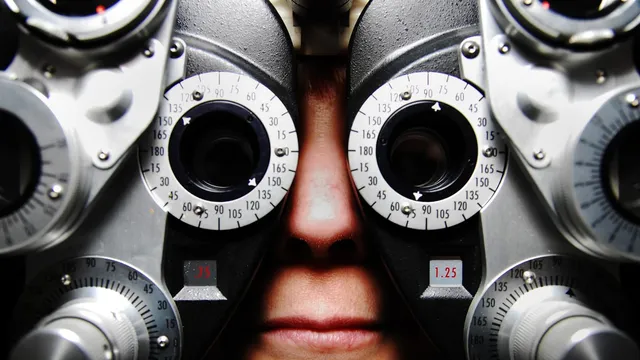

A phoropter test predicted who could adapt to blended vision
A defocus test on standard eye-testing equipment flagged the 1.66% of 1,341 patients who could not tolerate laser blended vision, presented at ESCRS on 13 September 2026.


Korea rewrites how digital therapeutics must prove they work
South Korea's drug regulator issued a revised guideline on 10 September 2026 for writing clinical trial protocols for digital therapeutic devices.
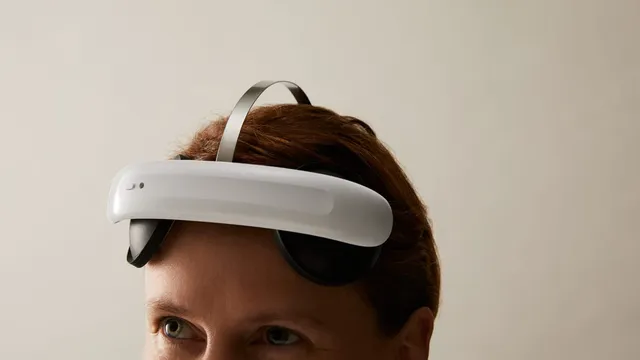

An at-home brain stimulation headset goes on sale in the US
Flow Neuroscience began selling the FL-100 in the United States in September 2026, the first at-home brain stimulation device the FDA has approved for depression.


FDA officials open the door to new psychedelic trial designs
Four CDER leaders wrote in the New England Journal of Medicine that inert placebo may not be required, since psychedelic effects break the blind anyway.
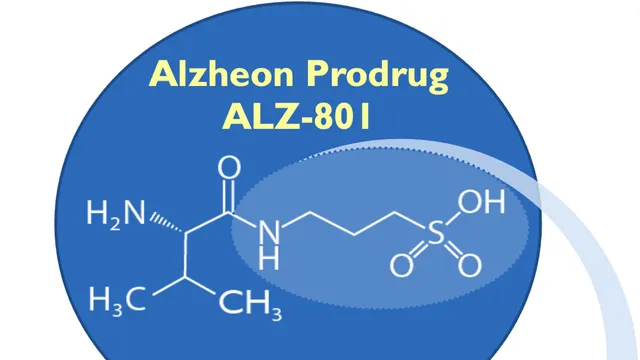

Alzheon publishes ALZ-801 biomarker results in APOE4 carriers
Plasma p-tau217 fell on oral valiltramiprosate through week 78, and the size of the drop tracked with slower brain shrinkage and slower cognitive decline.


Atlas opens preorders for a $499 everyday EEG wearable
The Atlas 1.0 combines EEG with motion, skin conductance and voice vibration sensing to track three daily states, at $499 plus a $29.99 monthly membership.
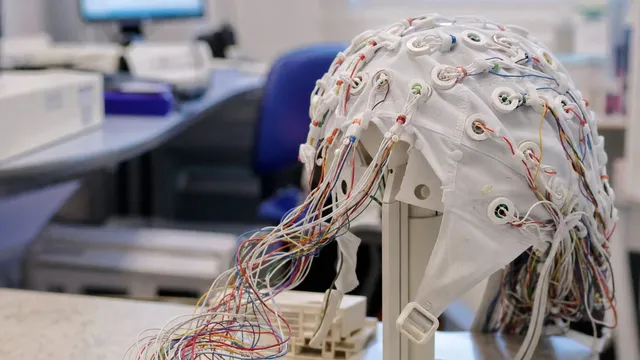

China clears an electrode cap that scores cognitive impairment
The NMPA registered a scalp-electrode brain-computer interface cap from Tiankai Suishi on 19 August 2026, for use in judging whether a patient is cognitively impaired.

NeuShen raises over $80m for three brain drugs already in trials
The Shanghai and Boston company closed an oversubscribed Series B on 4 September 2026 to take schizophrenia, seizure and depression candidates into global studies.
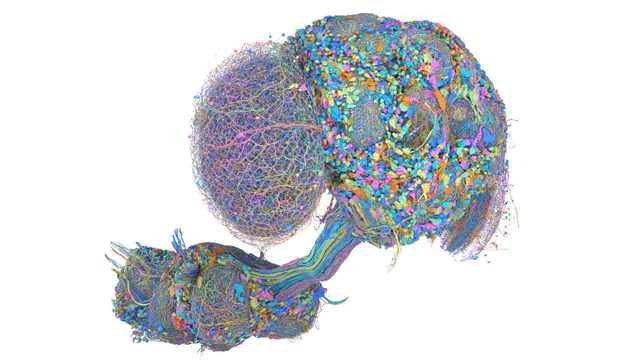

The male fruit fly nervous system is mapped neuron by neuron
A connectome of 166,000 neurons and 125 million synapses was published in Cell on 3 September 2026, allowing the first whole-nervous-system comparison between sexes.
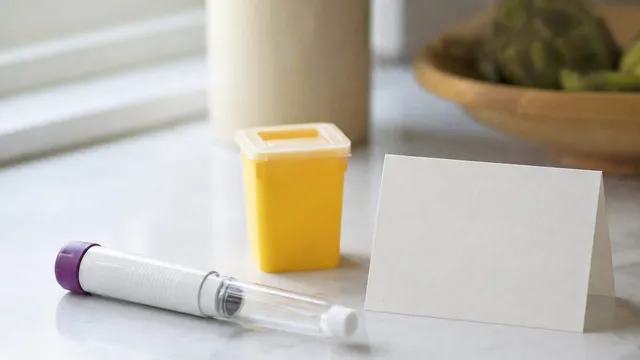

China clears a weekly at-home injection for early Alzheimer disease
The NMPA approved a subcutaneous lecanemab autoinjector on 3 September 2026, moving anti-amyloid treatment out of the infusion suite and into the home.
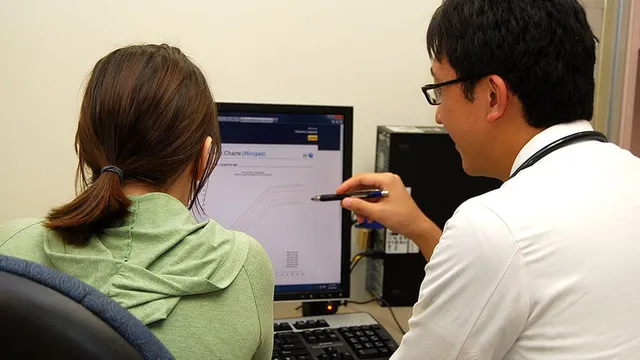

A review finds AI scribes lose the patient narrative
An Edinburgh review of 27 studies reports that ambient AI scribes miss non-verbal cues, deter disclosure of sensitive information, and dull clinician recall.
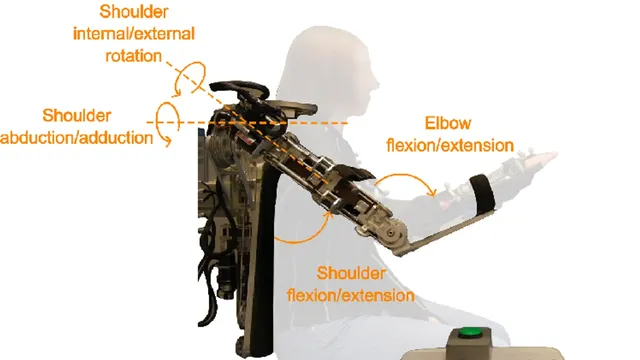

Five days in an exoskeleton leaves a lasting mark on how people move
A 24-participant study found that low-magnitude force fields from an upper-limb exoskeleton changed shoulder-elbow coordination in ways that outlasted the sessions.
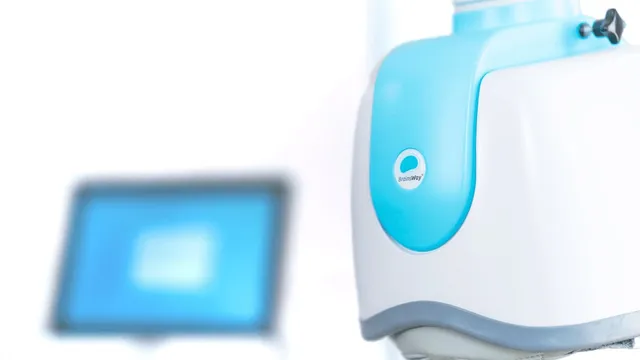

Accelerated Deep TMS trial reports a drop in suicidal ideation
A secondary analysis of BrainsWay’s SWIFT protocol trial, published in the Journal of Affective Disorders, reports a 70% reduction in patients experiencing suicidal ideation.
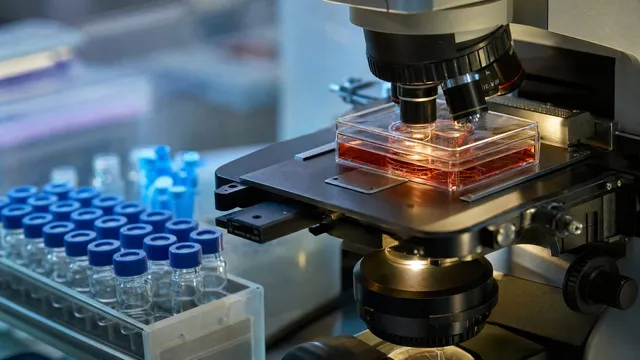

A nanogel turns support cells into neurons in Alzheimer's mice
Nano-ERASER crosses the blood-brain barrier and degrades PTBP1, reprogramming astrocytes into neurons; treated mice rebuilt nests and solved water mazes.
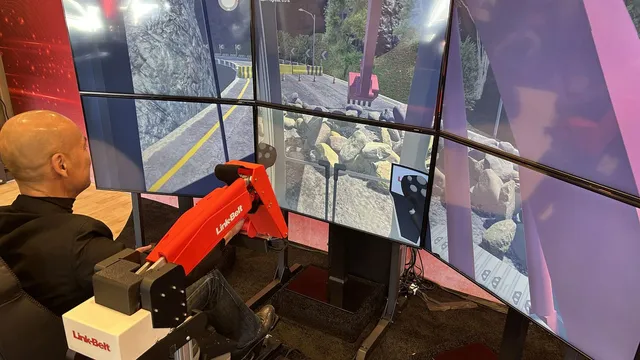

A miniature digger arm lets novices match expert operators on day one
MIT tested a controller shaped like the machine it commands; new operators performed at expert level immediately, where joystick trainees did not.
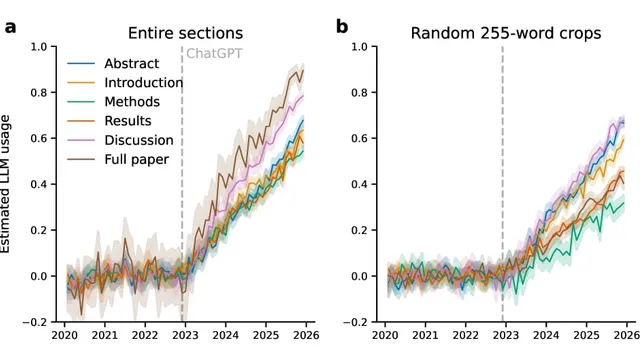

Nine in ten biomedical papers now show signs of LLM-assisted writing
A preprint puts LLM vocabulary markers in 89% of PubMed Central papers by late 2025, far above earlier estimates, and highest in discussion sections.
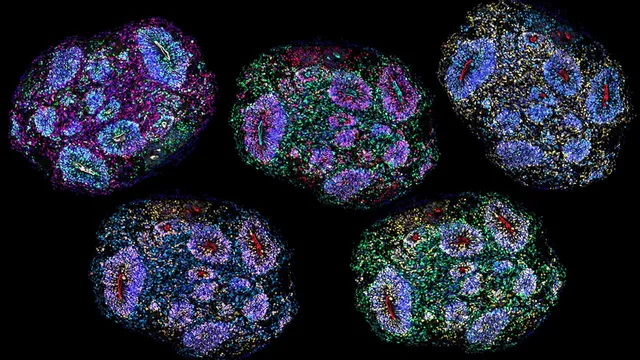

Brain organoids kept for six years aged on a human schedule
Harvard cortical organoids grown for nearly six years passed postnatal developmental milestones at the cadence of a real brain, tracked by three independent age clocks.
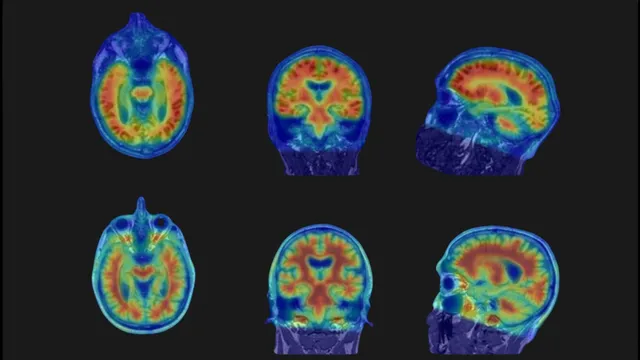

Cortechs.ai clears NeuroQuant PET for amyloid scan quantification
The FDA granted 510(k) clearance K261916 for software that scores amyloid PET brain scans in Centiloids without a reader drawing the regions.
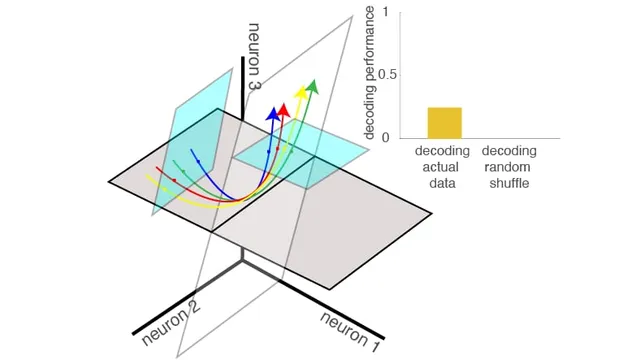

Brain recordings show goals are blended, not chosen one at a time
Intracranial recordings in 19 epilepsy patients indicate the brain runs a weighted mixture of goal-specific controllers rather than switching between goals.
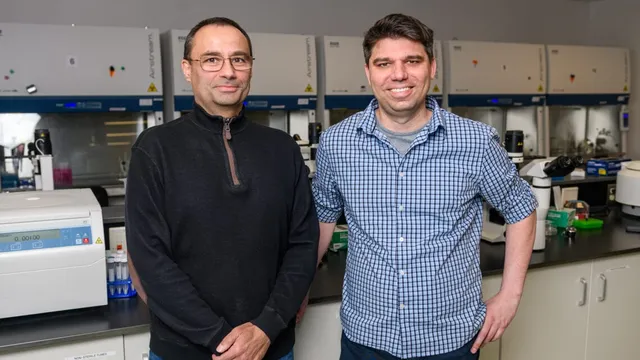

Base editing cuts toxic huntingtin in mice and holds for a year
AAV9-delivered adenine base editors skipped HTT exon 13 in YAC128 mice, cutting toxic huntingtin fragments 60% and improving grip and rotarod at 12 months.
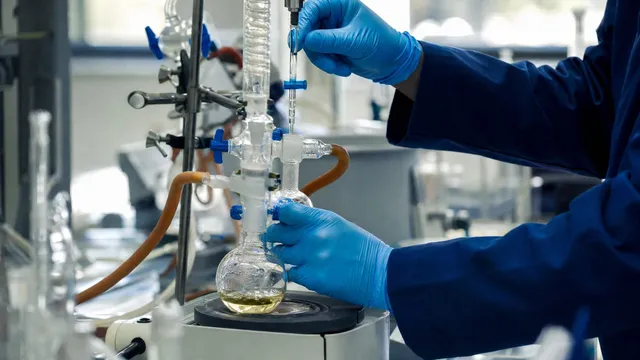

A cognition drug platform changes hands for $12 million down
AlzeCure Pharma received the full USD 12 million upfront and closed the initial transaction licensing its NeuroRestore platform and ACD856 to QuantumCell of Denmark.
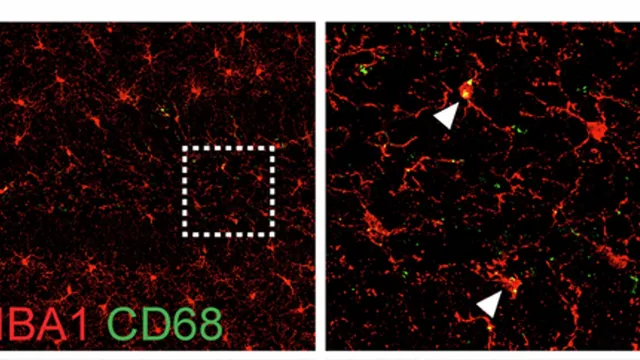

A youth-associated blood protein restored debris clearance in old brains
Mount Sinai researchers report in Nature Communications that TIMP2 governs microglial state, and that giving it to aged mice restored their capacity to clear debris.
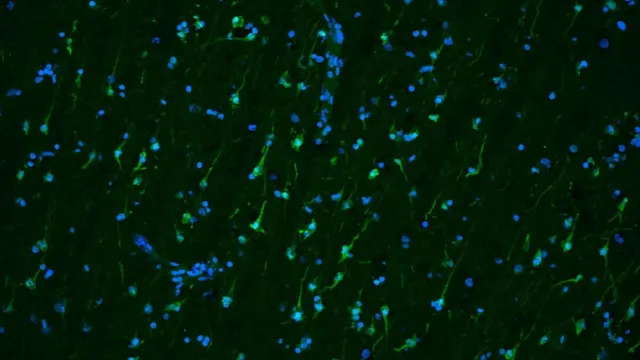

Twenty minutes of stimulation shifted gene activity in brain tissue
UT Southwestern and UCLA report in Nature that brief electrical stimulation of living human brain tissue strengthened neuronal assemblies and changed gene programs in neurons and glia.


Bounded AI help beat open AI help when the AI was taken away
In an eight-week writing study, open AI collaboration produced the best assisted work and the weakest independent work a week later — though the key contrasts sit right at the significance line.