A two-minute tablet task matched 45-minute Alzheimer's screeners
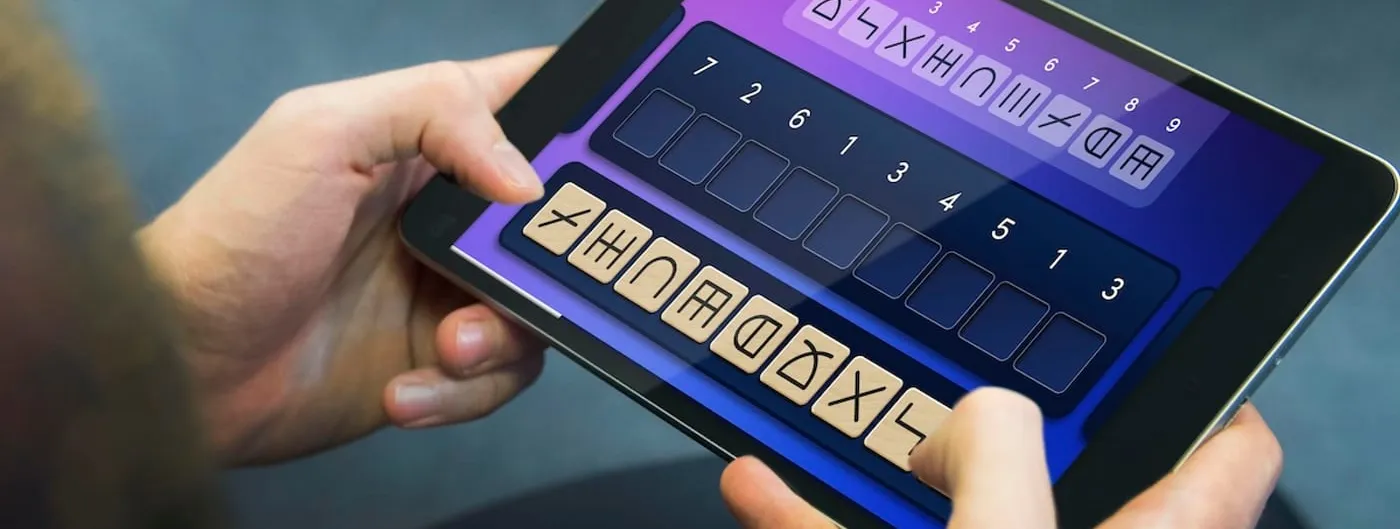
Cumulus Neuroscience presented three posters at the ISCTM autumn conference in Philadelphia on 16 and 17 September 2026, all on NeuLogiq, its combination of a dry-sensor EEG headset and tablet tasks used by patients at home.
The largest result concerns screening. Pooling roughly 1,280 participants from Alzheimer’s trials across more than 25 sites, three countries and three languages, the company reports that a two-minute tablet task called Symbol Swap separated control, mild-cognitive- impairment and dementia groups as well as established clinical screeners that take 20 to 45 minutes — and correlated more strongly with the blood biomarker p-tau217 than the benchmark comparators did.
Screening is where Alzheimer’s trials leak time and money: most people put through a long cognitive assessment turn out not to qualify. A two-minute task that sorts them first changes the arithmetic of running the trial at all.
The other two posters are about whether people keep using the thing. In 51 participants, 31 of them with borderline personality disorder, adherence held above 85% over seven weeks with a usability score of 82.2. In an interim look at 15 patients receiving esketamine for therapy-resistant depression, 98.7% of in-clinic sessions and 90.5% of at-home sessions were completed. These are conference posters, not peer-reviewed papers.