China clears an electrode cap that scores cognitive impairment
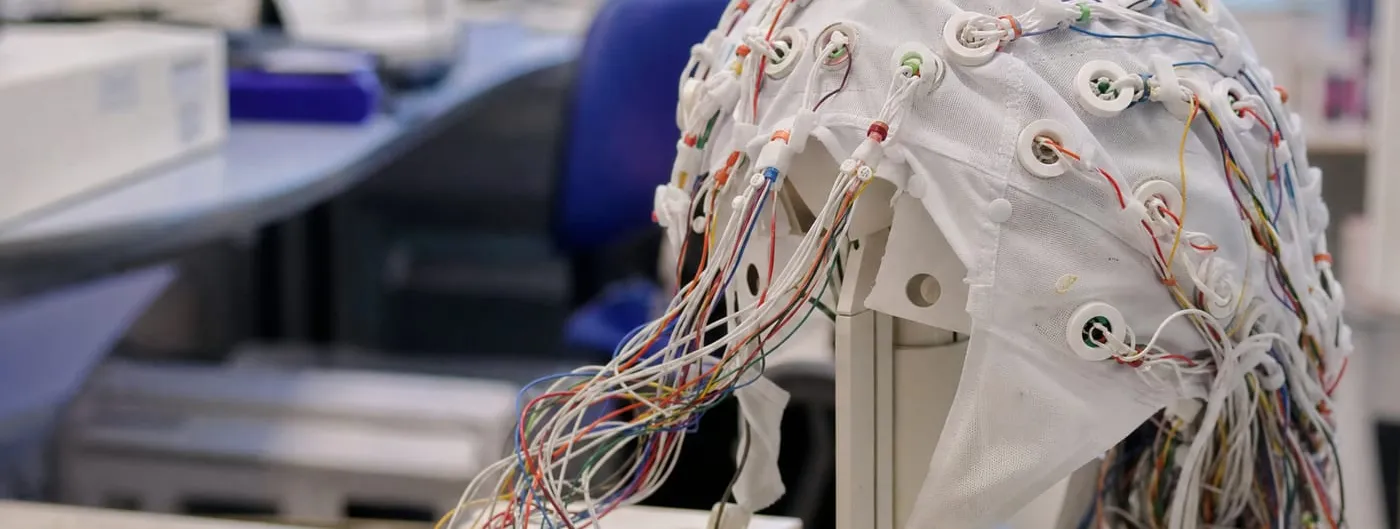
AI-generated illustrationAI-generated illustration
China’s National Medical Products Administration registered a brain-computer interface cap made by Tiankai Suishi (Tianjin) Intelligent Technology on 19 August 2026. The device sits scalp electrodes against the head and reads electrical activity to help a clinician judge whether a patient’s cognitive function is impaired. The company is separately seeking approval for a product aimed at diagnosing depression.
It is a diagnostic. Nothing is implanted and nothing is controlled by it; the cap measures, and a doctor reads the measurement.
The approval was reported on 2 September 2026 by the South China Morning Post, which says official records show the August date. This pulse could not open the NMPA registry entry itself, so both the date and the scope of the registration rest on that reporting rather than on the register. Treat them as reported, not as read.
Two things are worth keeping apart. Non-invasive electroencephalography for cognitive screening is decades-old technology, and clearing a cap is not remotely the same act as clearing an implant — coverage that files this alongside implanted interfaces overstates it. What the registration does show is a regulator handling brain-signal hardware as ordinary medical equipment on a normal path. That is the quieter fact, and the more durable one.