Brain-computer interfaces
47 pulses01 articles
Subscribe to Brain-computer interfaces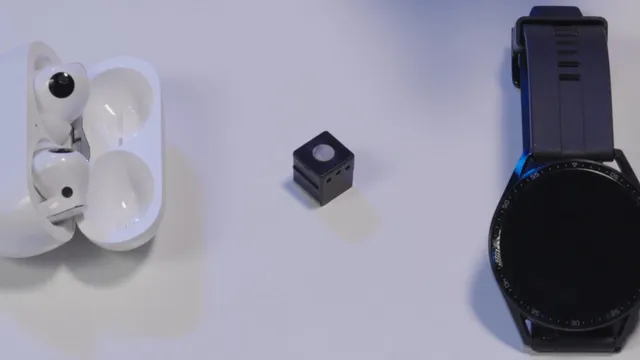

Tianjin University shows a 3-gram EEG interface that hides in hair
A Tianjin University lab unveiled a 3-gram, 2 cm³ non-invasive brain-computer interface that packs electrodes, battery and radio into one cube worn in the hair.
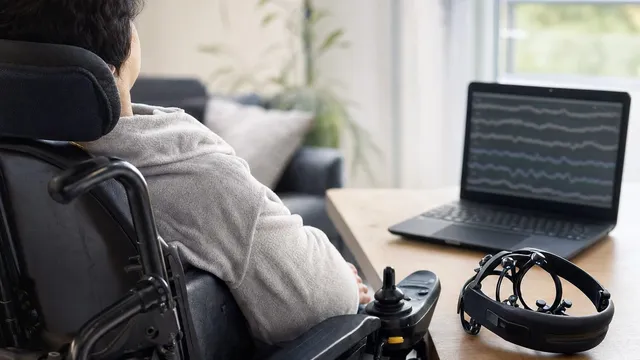

UCANACT raises €800,000 to turn Utrecht BCI research into a product
Utrecht startup UCANACT closed an €800,000 pre-seed round for a brain-computer interface that turns brain signals into computer actions and speech.
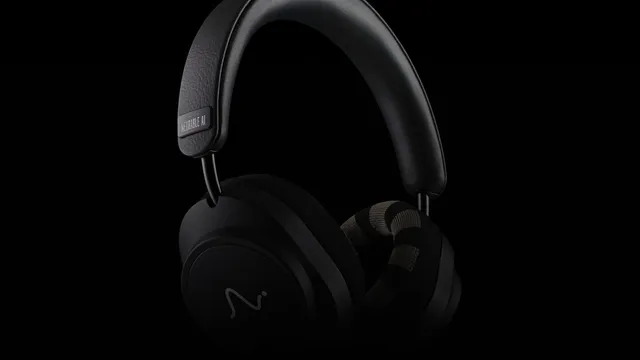

Neurable One headphones carry 12 EEG sensors for $499
Neurable launched over-ear headphones with dry EEG in the ear pads that track focus, fatigue and a brain-age estimate, on sale in the US.
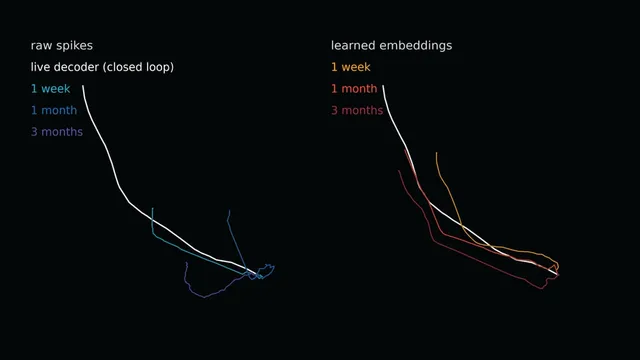

Neuralink pretrains BCI decoders on 50,000 hours of brain data
Self-supervised encoders kept cursor decoders usable for weeks without recalibration, and one participant reached 11.32 bits per second.


California signs AB 1883, barring employers from neural data
Governor Gavin Newsom signed the workplace surveillance bill on 30 September 2026. Its enrolled text bars employers from collecting workers neural data.
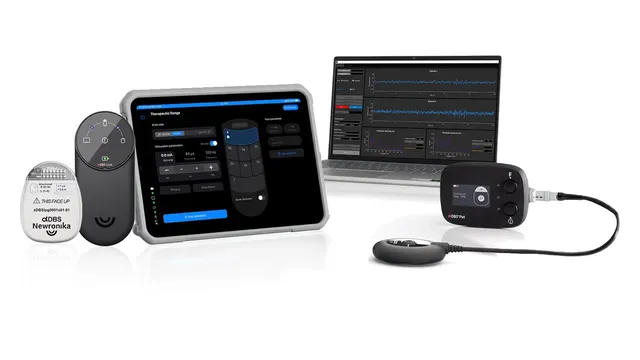

Newronika adaptive DBS pivotal trial implants its first patient
ADVENT will compare adaptive and conventional deep brain stimulation in 104 people with Parkinson disease, at up to 18 sites in the US and EU.
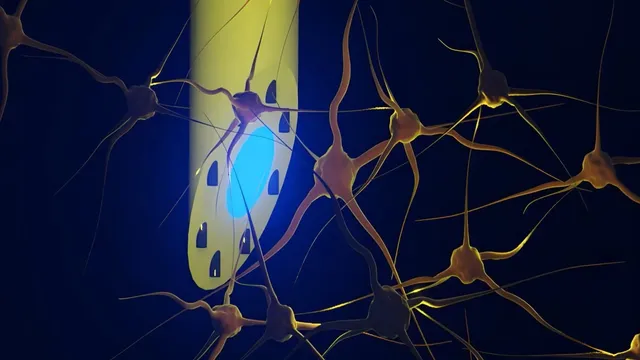

DTU builds a needle-thin implant that records, doses and stimulates
A DTU-led team reported in Advanced Science in September 2026 a flexible brain probe under half a millimetre wide that records neurons, delivers drugs and stimulates with light.
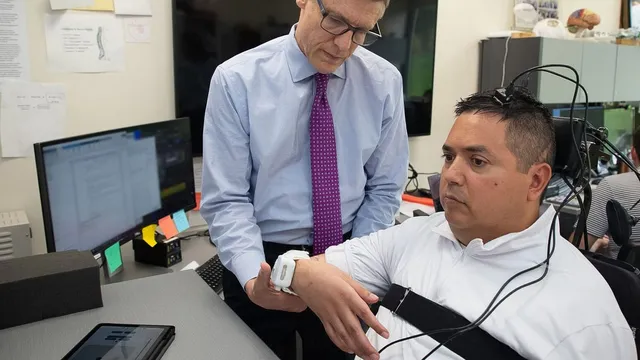

Double neural bypass restores movement and touch in a tetraplegic man
A Feinstein Institutes trial published in Nature Medicine in July 2026 reports an 86% gain in right-arm strength over 35 weeks for a man with complete C4/C5 tetraplegia.
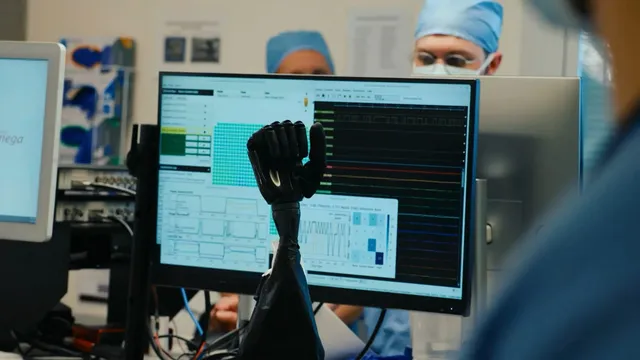

Precision Neuroscience closes a $250M Series D for its thin-film BCI
The round, co-led by Pershing Square and the Ackman Oxman Institute, lifts total funding to $430M after more than 100 procedures with the Layer 7 cortical interface.
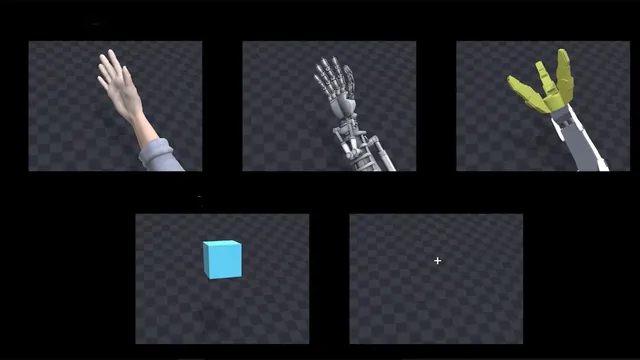

Human-like hands stir more motor-cortex activity, BrainGate finds
Implanted arrays in two people with tetraplegia showed motor-cortex neurons respond more to watching a human hand grasp than a robot claw or a cube.


Neuralink shows a trial participant speaking through his implant
A VOICE trial participant with ALS produced audible speech by thinking the words, in a synthetic reconstruction of his own voice.
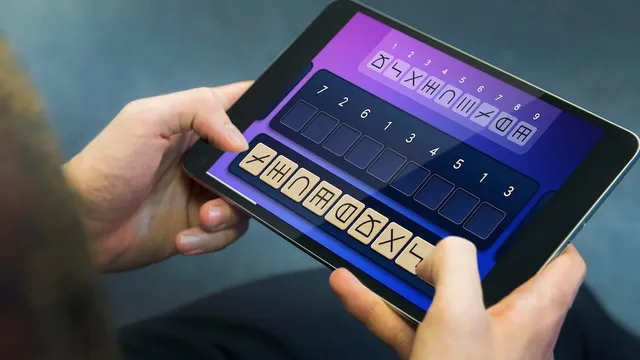

A two-minute tablet task matched 45-minute Alzheimer's screeners
Cumulus Neuroscience pooled about 1,280 participants across more than 25 sites and reported its Symbol Swap task separated cognitive groups as well as screeners taking 20 to 45 minutes.
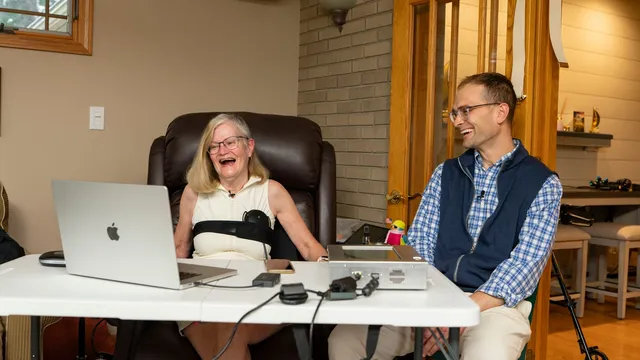

Paradromics' first participant speaks her own words in real time
The Michigan woman implanted with Connexus in June answered open-ended questions and called her grandchildren, moving the Connect-One study past scripted copy tasks.
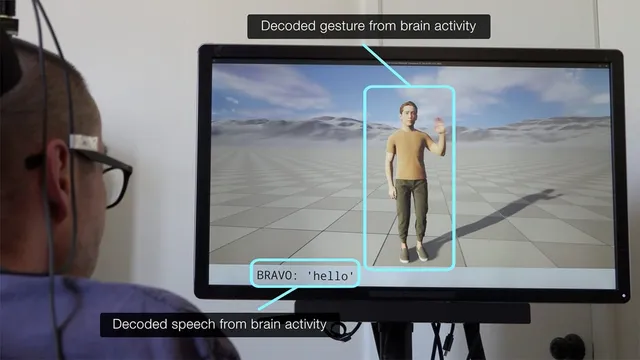

A brain implant decodes speech and gesture at the same time
Three participants with severe paralysis received ECoG arrays at UCSF; two drove a virtual avatar that spoke and gestured together, reported in Nature Neuroscience.
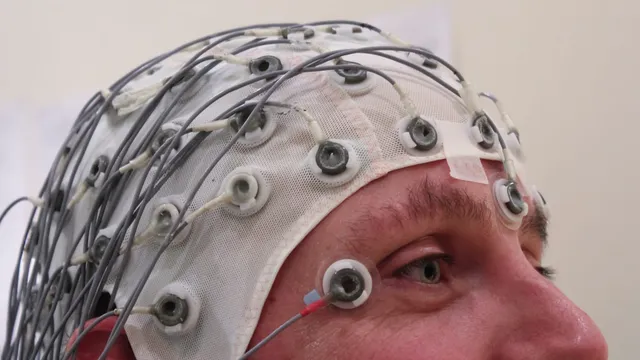

A security paper maps five ways to attack an EEG headset
A preprint sets out a taxonomy of attacks on the brain-computer interface stack, with 17 demonstrated neuro-specific attack instances and an open evaluation framework.
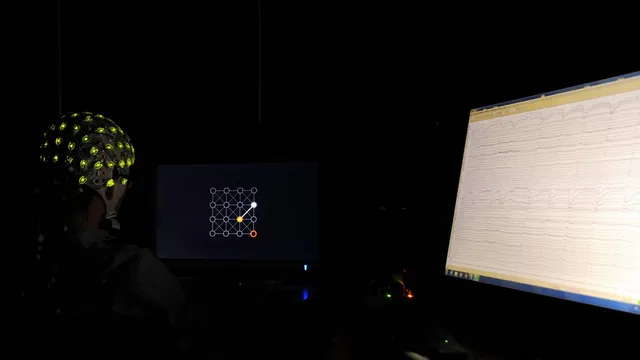

China sets a standard for the EEG data that trains BCI devices
The NMPA released a medical-device industry standard on 14 September governing how EEG datasets used by AI algorithms are collected, labelled and stored. It takes effect on 1 September 2027.
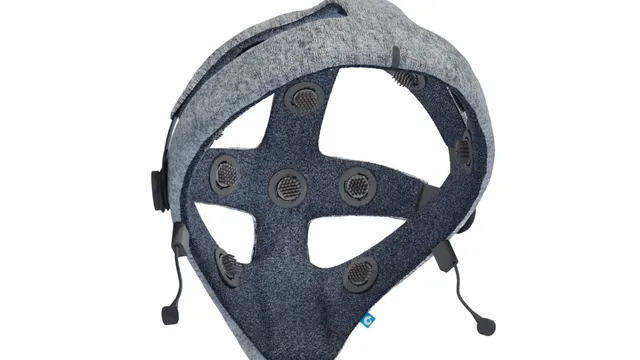

An at-home EEG headset held up through eight months in ALS
Twenty-eight people used a 16-channel dry-sensor EEG headset at home every two weeks for eight months, and the ALS group rated it 89 on the System Usability Scale.
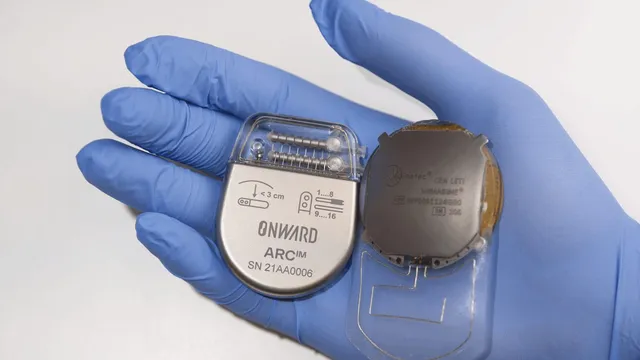

Seven people have now received ONWARD ARC-BCI therapy
ONWARD Medical's half-year results, published 9 September 2026, put the cumulative ARC-BCI implant count at seven and ARC-EX unit sales up 430%.
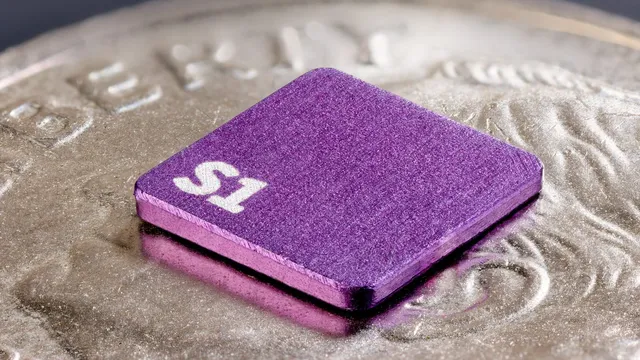

Apple bought a startup that reads the brain magnetically
An EU acquisition notice published on 8 September 2026 revealed Apple's purchase of Sonera, whose chip-scale magnetometers sense brain and muscle activity without touching skin.
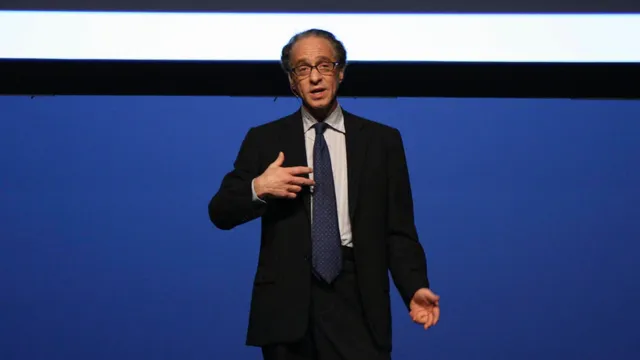

Ray Kurzweil joins a startup delivering a brain interface by nose
Subsense, which proposes reading the brain with nasally delivered nanoparticles and a magnetic-coil cap, named Kurzweil product and vision advisor on 3 September 2026.
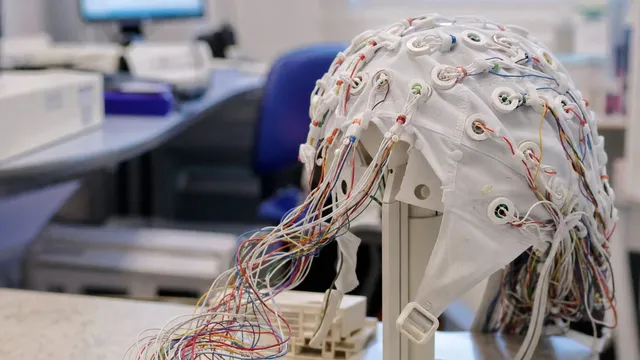

China clears an electrode cap that scores cognitive impairment
The NMPA registered a scalp-electrode brain-computer interface cap from Tiankai Suishi on 19 August 2026, for use in judging whether a patient is cognitively impaired.
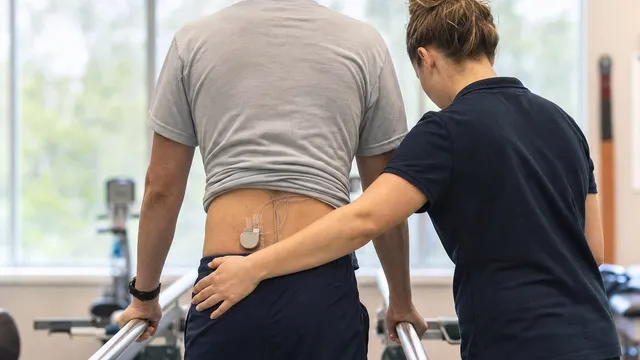

A Chinese spinal implant helps a paralysed girl take steps again
A 12-year-old Russian patient stood one month after receiving a closed-loop spinal neural interface in Hangzhou, and stepped voluntarily at three months.
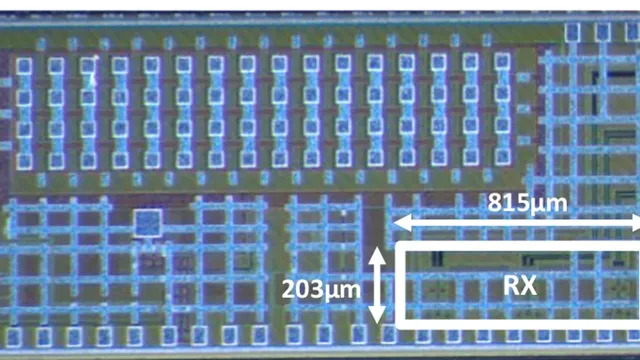

A wireless link through the dura cuts the tether on brain implants
An imec-led team reports a body-coupled telemetry architecture moving intracortical neural data at up to 500 Mbps on 2.4 mW, validated in cultures and a cadaver, not in patients.
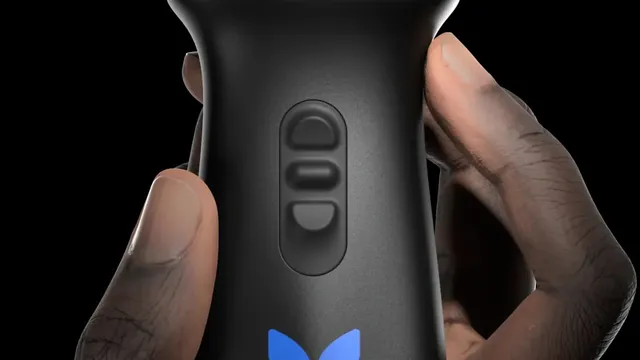

Butterfly Network becomes Merge Labs exclusive ultrasound chip partner
A multi-year licence gives the brain-interface startup Merge Labs access to the Poseidon ultrasound-on-chip family, with financial terms undisclosed.
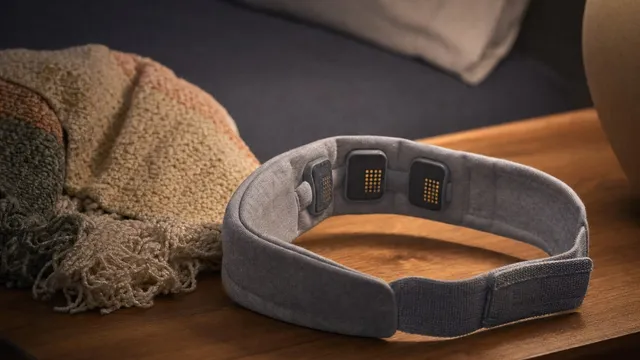

Shenzhen BCI startup Shenyi raises an angel round for sleep and mood
Shenyi Technology closed over 10 million yuan led by a Guangming district fund, for non-invasive brain-computer interfaces aimed at sleep disorders and depression.
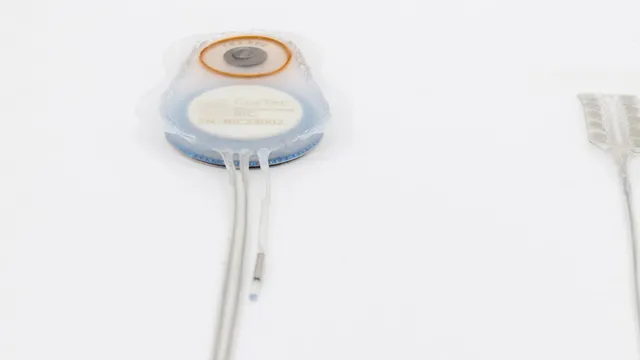

FDA gives CorTec's brain implant a second breakthrough designation
The new Breakthrough Device Designation covers cursor control for people with non-progressive quadriplegia, four months after one for stroke motor rehabilitation.
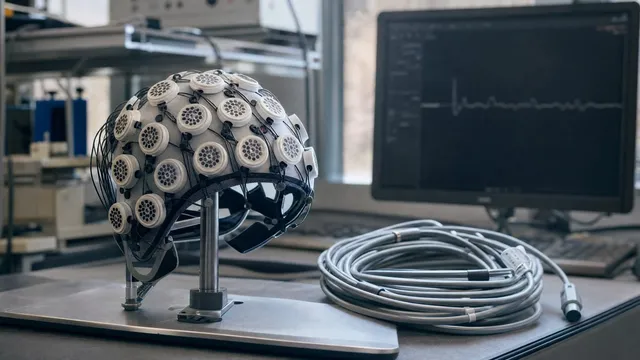

Gestala discloses $84 million raised in its first six months
The Shanghai company is building an ultrasound brain-computer interface aimed at chronic pain, and says a first product is due by the end of 2026.
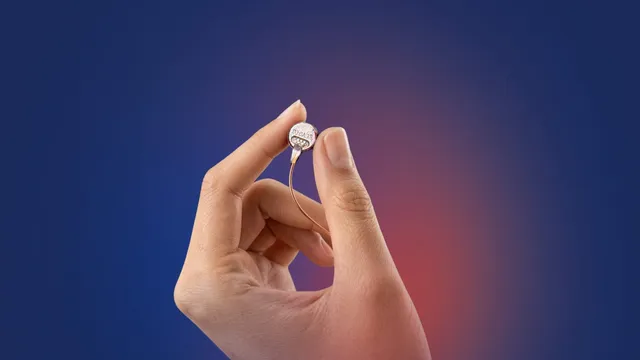

Paradromics wins FDA clearance to route its BCI to everyday devices
Connect-One participants can now connect laptops, tablets and phones through the Convey system without a separate FDA sign-off for each new device.
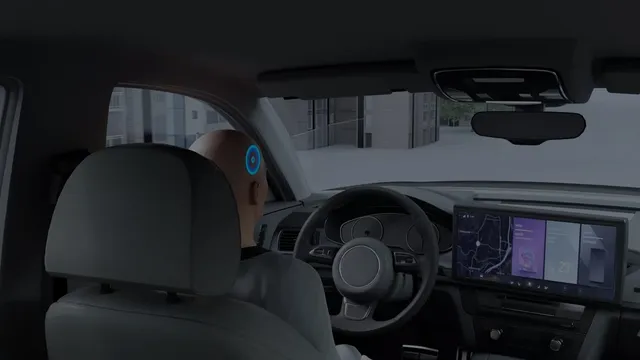

China opens comment on standards for consumer BCI and humanoids
MIIT put two draft industry standard-system guidelines out for public comment on 24 and 25 August, one of them covering non-medical brain-control devices for the first time.
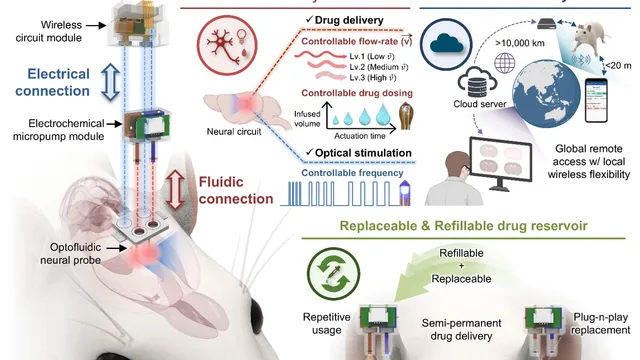

A brain implant in Daejeon was driven over the internet from Chicago
KAIST and Yonsei built a sugar-cube-sized implant that delivers drugs and light on command, and ran it across 10,000 km for four weeks.
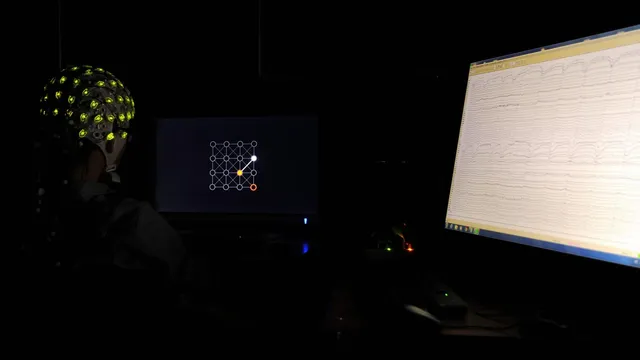

Brain-Device Era raises a seed round for a non-invasive motor BCI
The Shanghai company, founded in November 2025, closed tens of millions of yuan led by Hua Capital Oriza to build Omni-One and an ultrasound interface.
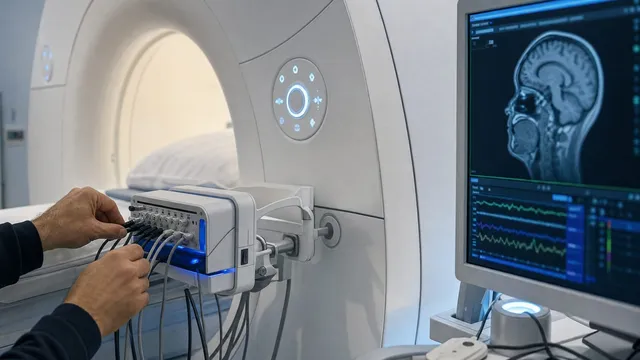

United Imaging and Tianjin University put a BCI inside an MRI scanner
uMR Shenguan closes the loop between reading brain signals, stimulating the brain and measuring the effect, with the scanner acting as the perception hub.
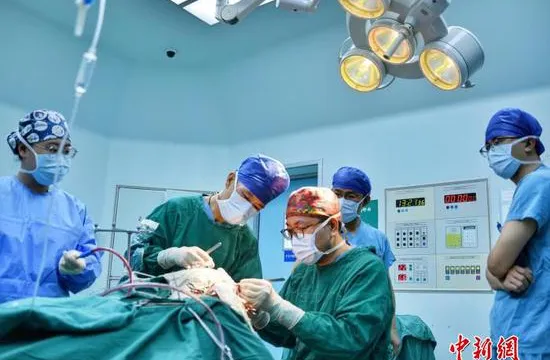

Shanxi performs its first invasive brain-computer interface implant
A man paralysed for three years received a 10-micrometre flexible cortical electrode on 19 August and now drives a computer and a pneumatic glove with it.
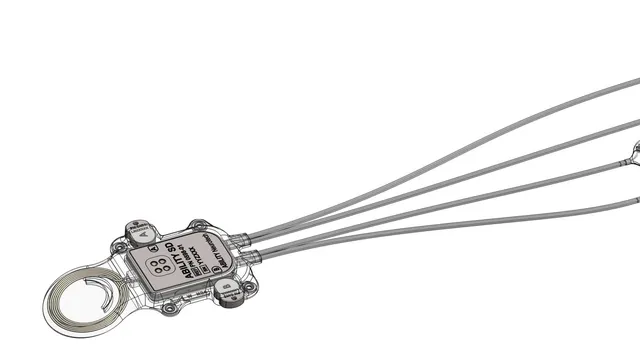

ABILITY records human neural signals over an optical link
A first-in-human intraoperative procedure at TU Munich in July 2026 tested an ECoG implant that sends data out by infrared laser instead of radio.
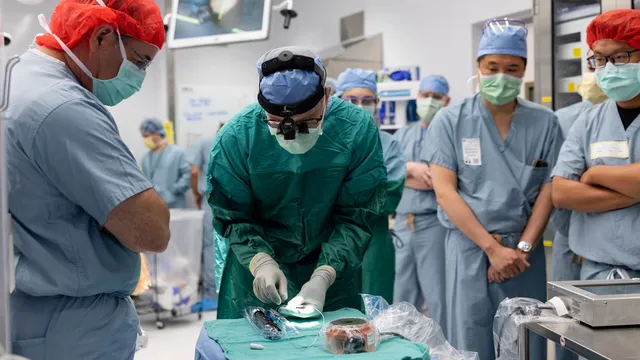

Paradromics implants its Connexus BCI in a first human participant
A Michigan woman with motor neuron disease received the wireless high-density implant in June 2026, opening the FDA-approved Connect-One feasibility study.
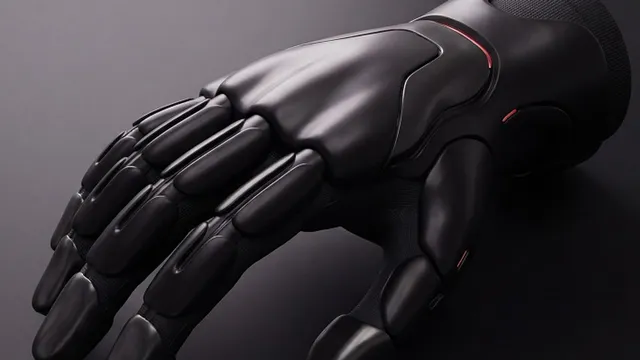

A Korean firm shows an EEG-driven robotic hand glove in Beijing
Dynamic Solution unveiled a non-invasive brain-computer interface glove that turns scalp EEG into individual finger movement, built on X-HAND tactile technology licensed from ETRI.
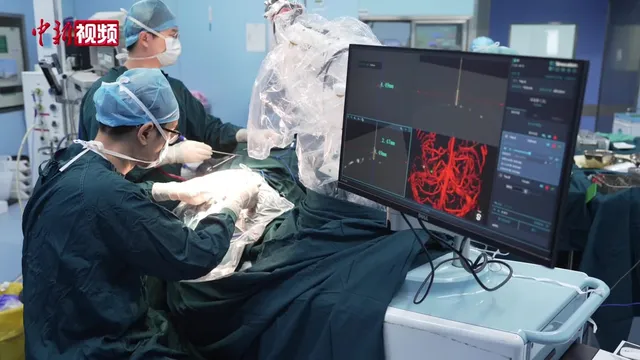

A Wuhan hospital reports central China's first fully invasive BCI implant
Tongji Hospital placed eight ultra-flexible electrodes in the motor cortex of a woman paralysed for two years, using a device carrying NMPA innovative-device designation.
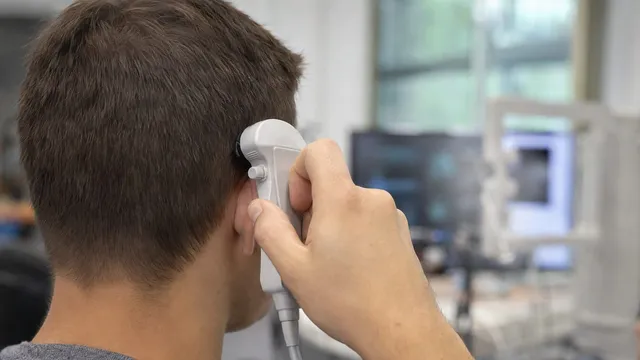

Sisheng Technology raises a seed-plus round for ultrasonic BCI
Tens of millions of yuan, led by Guoqi Investment, for a company betting on focused ultrasound through the skull rather than implanted electrodes.
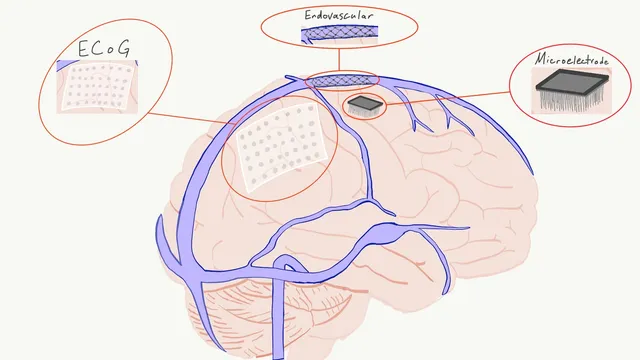

Weiling Medical raises over 100 million yuan for an implantable BCI
Junzhong Capital led the round, with a STAR Market-listed manufacturer as core industrial investor, to fund clinical verification and device registration.
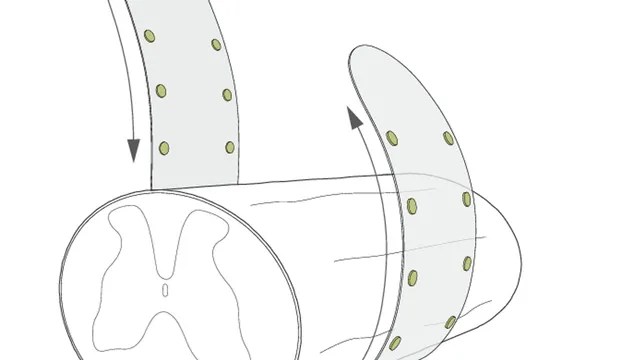

A spinal implant reads movement, sensation and organ signals at once
A flexible array wrapped around the spinal cord of freely moving rats decoded intended movement, sensory type and autonomic traffic in a single device.
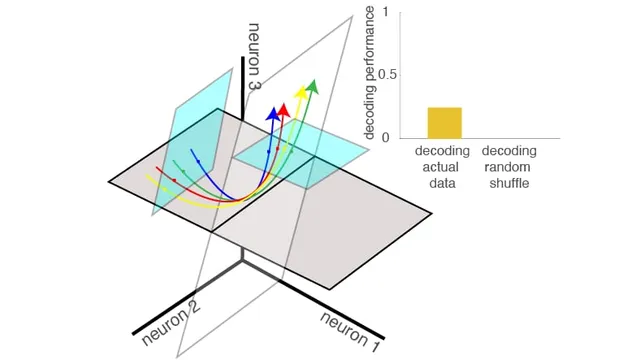

Brain recordings show goals are blended, not chosen one at a time
Intracranial recordings in 19 epilepsy patients indicate the brain runs a weighted mixture of goal-specific controllers rather than switching between goals.


A California bill barring employers from neural data advances
AB 1883 would stop employers collecting workers neural data through surveillance tools, and a Senate committee voted 5-2 to amend and pass it on 13 August 2026.
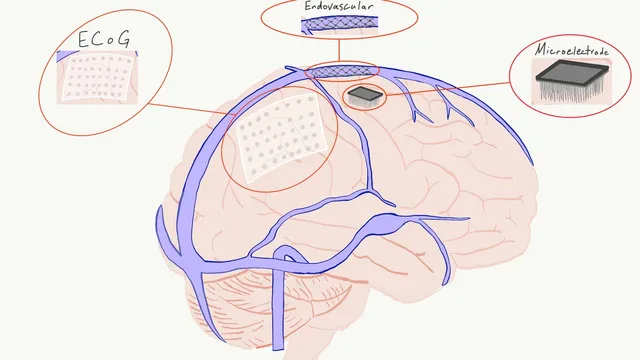

China insures the surgery that puts a chip in the brain
A state-linked insurer wrote what is reported as China's first commercial policy covering invasive brain-computer interface implant surgery, at a Zhejiang University hospital in Hangzhou.

A six-month-old Shanghai BCI startup raises RMB330 million
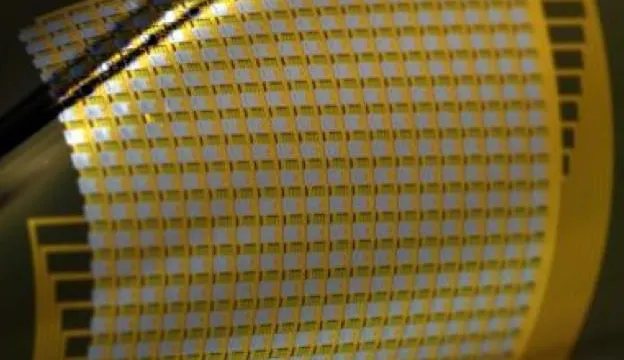
Active Technology, founded in February 2026, closed a RMB330 million angel round for invasive brain-computer interfaces — a record for the stage in China.


A 320-contact retinal implant returns partial sight after 20 years
Zhejiang Provincial People's Hospital implanted a 320-contact retinal visual BCI in a woman blind from retinitis pigmentosa; within two days she could tell letters apart.

Deep learning shapes cortical stimulation in a blind participant
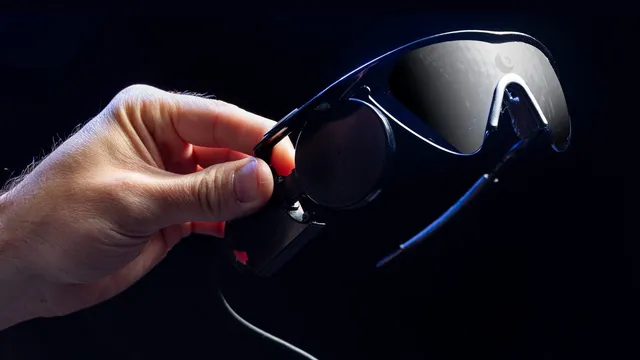
A neural network designed the stimulation patterns for a 96-channel implant in a blind man's visual cortex, reproducing target brain activity with less current.

China puts its first national brain-computer interface standards in force
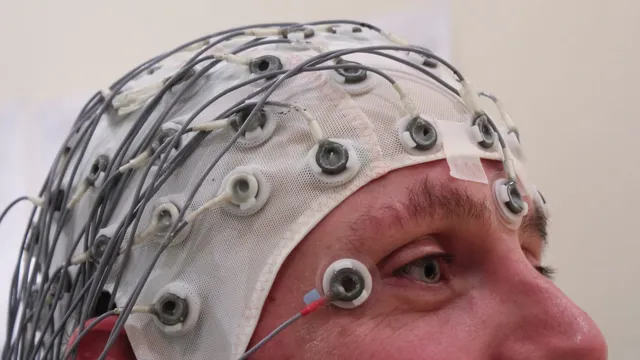
Two GB/T standards covering BCI reference architecture and multimodal data format took effect on 1 August, ending an era where every Chinese BCI lab defined its own formats.
Articles
Cyborgs Don't Go to Hell
Why the augmented future is not a damnation story.