Ray Kurzweil joins a startup delivering a brain interface by nose
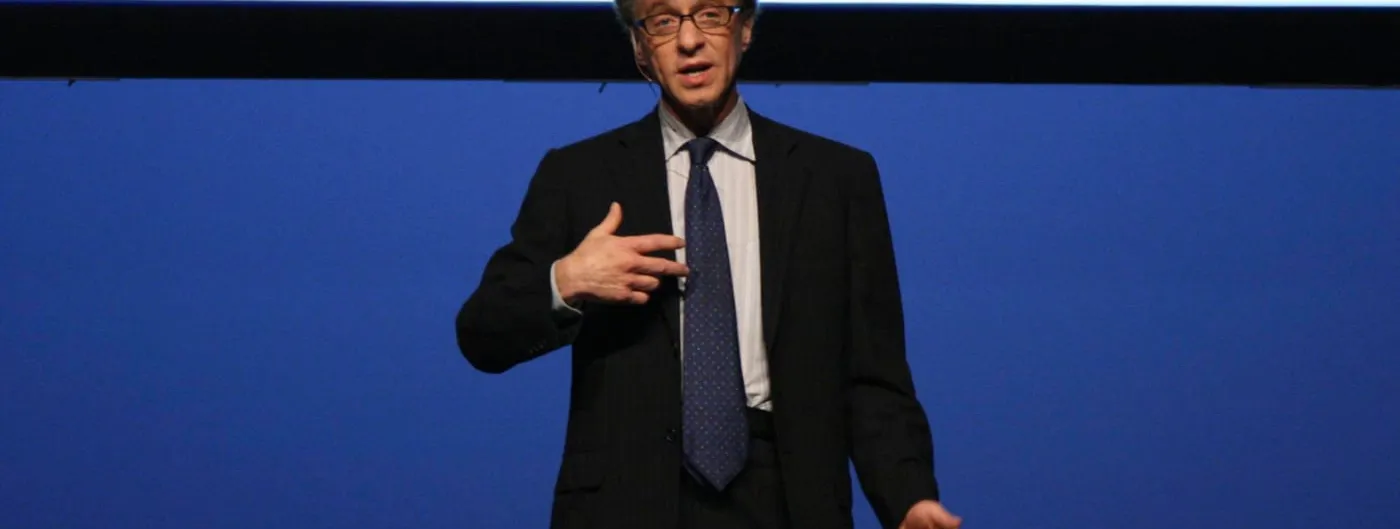

Ray Kurzweil has joined Subsense as product and vision advisor. The appointment was announced on the evening of 3 September 2026 at the company’s headquarters in Palo Alto.
Subsense is about four years old, has raised $27m, and is led by chief executive Tetiana Aleksandrova. Its proposition is a brain-computer interface with no surgery in it: charged nanoparticles introduced through the nose, in the manner of an allergy spray, then read and driven from outside the skull by a cap holding magnetic coils. If that worked, it would remove the two things that keep brain interfaces rare, which are an opened skull and a neurosurgeon.
It has not been tried in a person. The company’s work is preclinical, covering component testing and experiments in mice, and Fortune describes the technology as years from availability.
That distance is the reason to be careful with this one. Kurzweil is the most quoted predictor of a merge between people and machines, and his name arriving at a company brings it attention its evidence does not yet earn on its own. An advisory title is not a trial, a filing, or a device. It is worth recording for who is lending his name to which idea — and worth reading with the preclinical stage held firmly in view.