Paradromics implants its Connexus BCI in a first human participant
Michigan Medicine, via ParadromicsPress kit
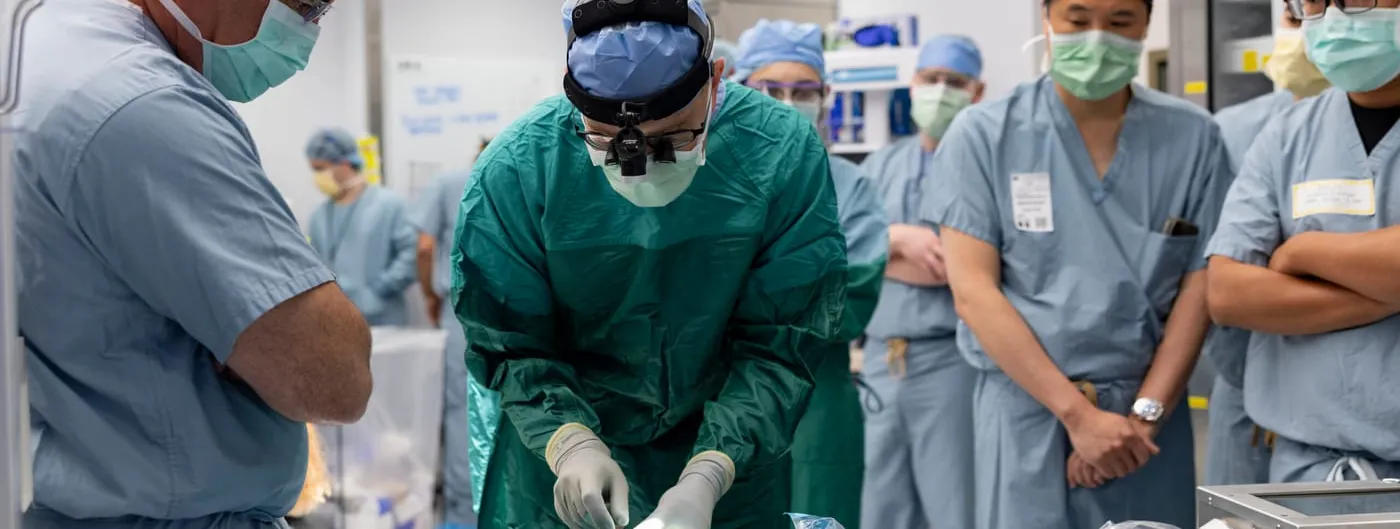
Paradromics announced on 17 June 2026 that it had completed the first surgical implantation of its Connexus brain-computer interface, at University of Michigan Health. The procedure opens the Connect-One Early Feasibility Study, which the FDA cleared through an Investigational Device Exemption in November 2025.
The first participant is a Michigan woman who has difficulty speaking because of motor neuron disease. She was enrolled and implanted by Paradromics with the University of Michigan team, and will be followed for six years. Matthew Willsey, a neurosurgeon and biomedical engineer, performed the operation with Aditya S. Pandey and a multidisciplinary team.
Connexus records through an implanted high-density microelectrode array. Signals travel from the array to a transceiver placed in the chest, then wirelessly through the skin to an external receiver — a fully implanted path with no percutaneous connector. The study is evaluating long-term use of the device for restoring speech and enabling computer control in people with severe motor impairment.
Following the IDE clearance, clinical teams at the University of Michigan, UC Davis and Massachusetts General Hospital began screening eligible participants, so the study has two further sites able to enrol.