China sets a standard for the EEG data that trains BCI devices
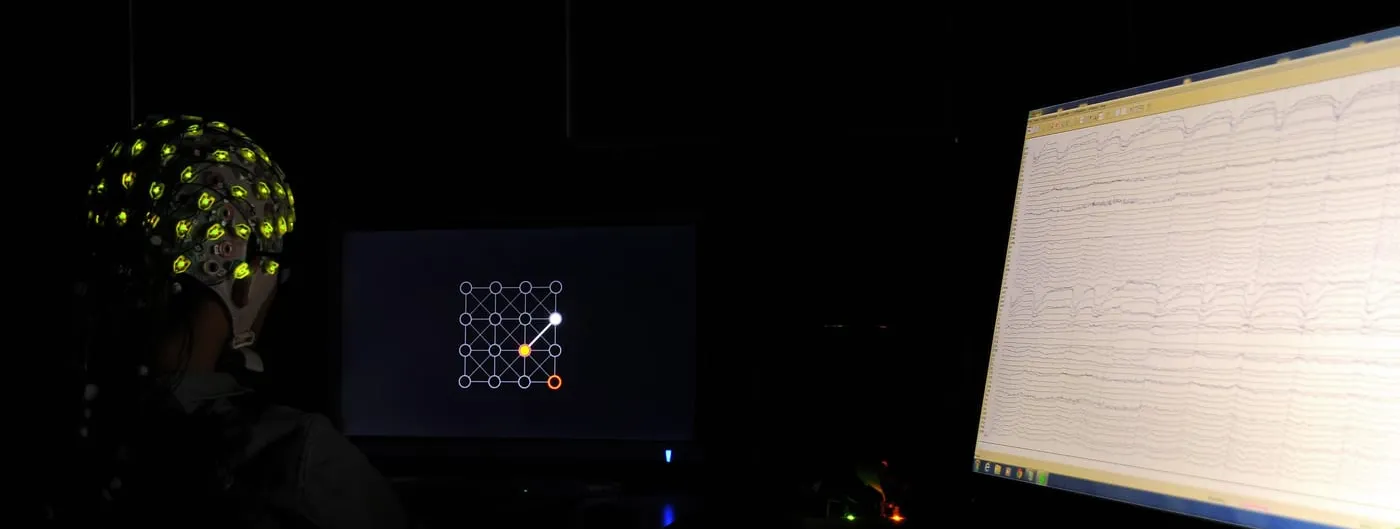

China’s National Medical Products Administration approved and released a medical-device industry standard on 14 September 2026 covering the EEG datasets used to train artificial intelligence algorithms inside brain-computer interface devices. It sets technical requirements and test methods across the whole chain a dataset passes through — collection, processing, annotation, storage and access — and takes effect on 1 September 2027.
The regulator presents it as the world’s first product standard for BCI medical devices that use AI to process brain-signal data, and as the third BCI medical-device standard China has issued. It is an industry standard, narrower and more specific than the two general-purpose national standards that took effect on 1 August 2026 and fixed a reference architecture and a multimodal data format for brain-computer interfaces at large.
What it reaches is the part of a BCI device a bench test cannot see. A decoder’s behaviour is inherited from the recordings it learned on, and until now each Chinese lab and vendor controlled that quality on its own terms. The standard does not approve any device; it fixes what an approvable training set has to look like, a year before anyone has to comply.