Brain-Device Era raises a seed round for a non-invasive motor BCI
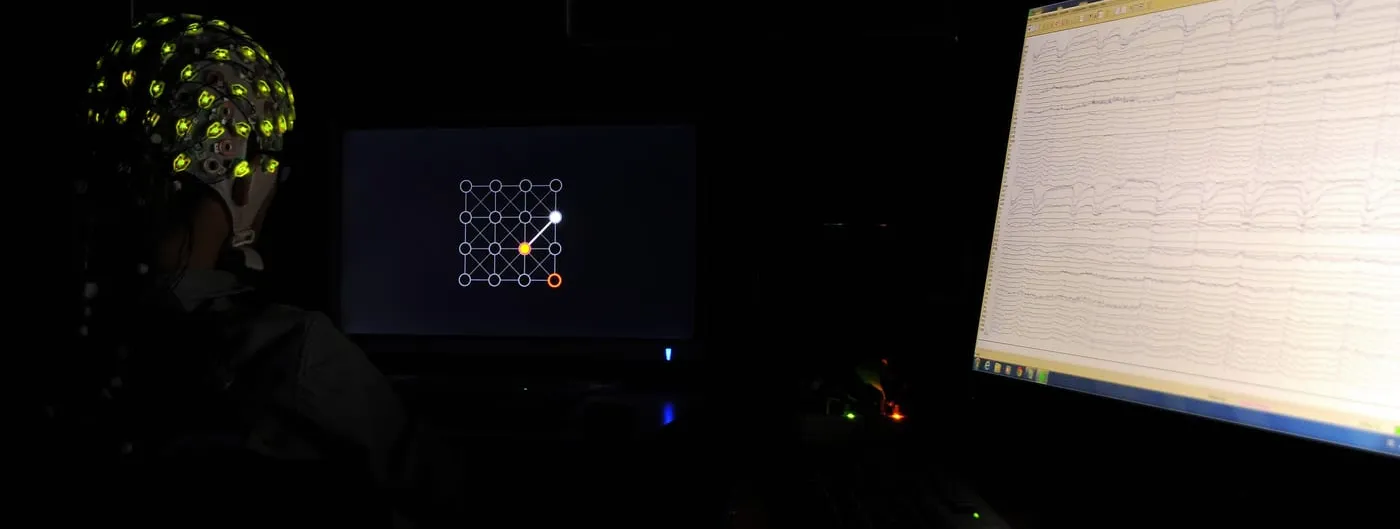
Laurens R. Krol, via Wikimedia Commons (CC BY 4.0, cropped)CC BY

Brain-Device Era (Shanghai) Technology closed a seed round worth tens of millions of yuan on 24 August 2026, led by Hua Capital Oriza Management. The company was founded in November 2025 and describes itself as China’s first firm built around whole-brain interface work.
The money is earmarked for two things. The first is Omni-One, a motor brain-computer interface the company says integrates several distinct movement intentions on one non-invasive platform, aimed at rehabilitation after stroke, spinal cord injury, ALS and hemiplegia. The second is preclinical validation of a non-invasive, high-throughput ultrasound interface.
Non-invasive is the part worth watching. Most of the capability demonstrated in the past two years, in China and elsewhere, has come from electrodes placed on or in the cortex, which buys signal quality at the cost of a craniotomy and a device that has to survive in tissue for years. Focused ultrasound reads and modulates through the skull, and if it can carry enough channels it changes who a BCI is for: a rehabilitation tool a stroke patient uses for six months is a different product from an implant.
Nothing here has been tested in humans. A seed round buys the attempt.