A Chinese spinal implant helps a paralysed girl take steps again
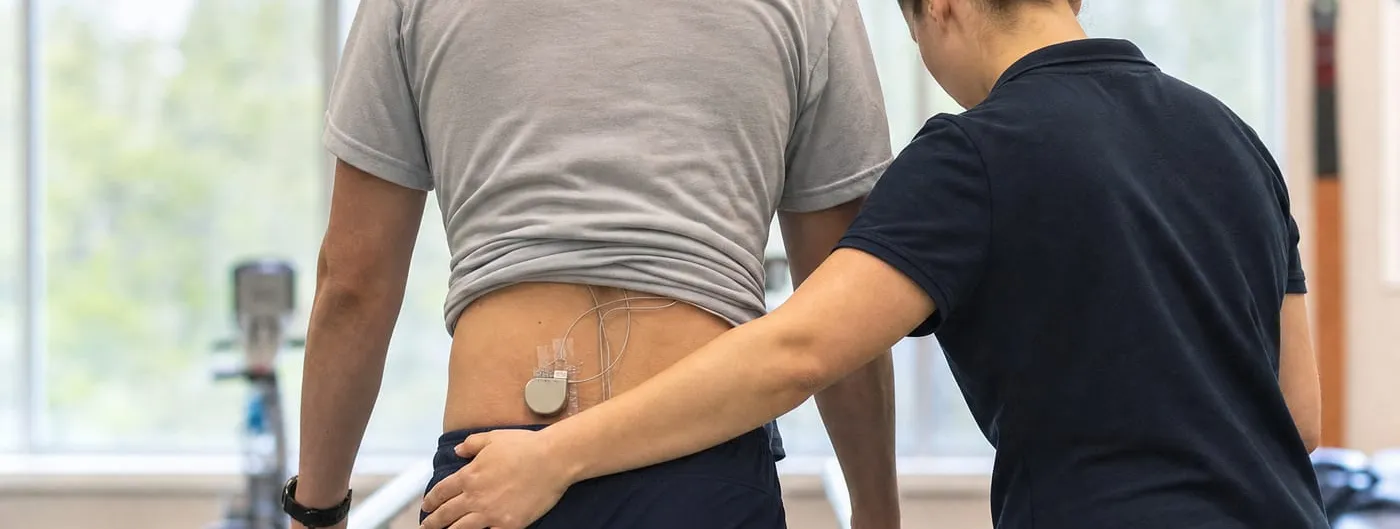
AI-generated illustrationAI-generated illustration
The Second Affiliated Hospital of Zhejiang University School of Medicine, in Hangzhou, reported on 1 September 2026 that a 12-year-old Russian patient identified as Vera has regained the ability to take voluntary steps after receiving a closed-loop spinal neural interface. She was paralysed below the waist in a car accident and was admitted in April 2026.
The device is a set of implanted stimulation electrodes driven by a wireless rechargeable pulse generator. It does not replace the brain’s commands. It amplifies the weakened signals that still cross the damaged section of cord, so they arrive at the leg muscles strong enough to act on, and the stimulation is adjusted as the patient’s own control returns. One month after surgery she could stand steadily with support and reported improved sensation in her feet. At three months she took voluntary steps with a walking aid.
The hospital describes her as the first international patient with a severe spinal cord injury to reach that milestone with the technology in China. The claim is the hospital’s own and the case has not been published in a peer-reviewed journal. It is one patient, and the reported outcome depends on residual signal crossing the injury — a condition not every spinal cord injury meets.