China puts its first national brain-computer interface standards in force
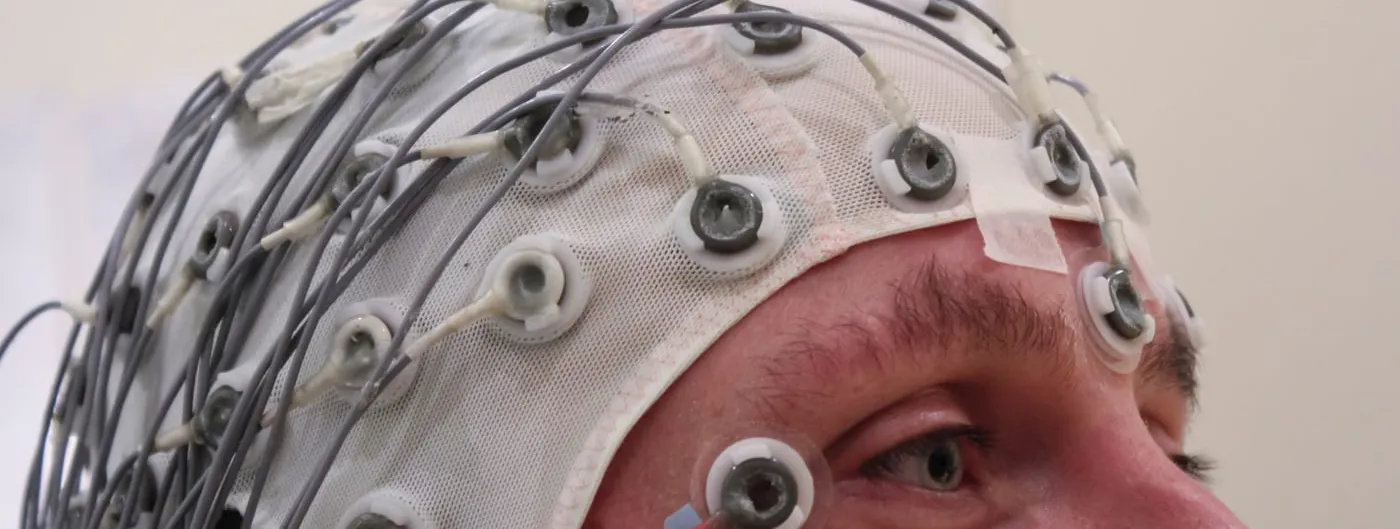

Two recommended national standards for brain-computer interfaces took effect in China on 1 August 2026: GB/T 47023-2026, Information technology — Brain-computer interface — Reference architecture, and GB/T 47127-2026, Information technology — Brain-computer interface — Multimodal data format. They are the first foundational, general-purpose BCI standards China has issued, and they arrived inside a batch of 488 national standards — 46 mandatory, 442 recommended — that all became applicable the same day.
Neither standard regulates a device. The first fixes a common reference architecture with defined user and functional views; the second fixes how multimodal recordings are laid out — directory hierarchy, file types, naming conventions. It is plumbing, and that is the point: until now every Chinese BCI group could define its own formats, which makes two datasets impossible to compare and two systems impossible to test against each other.
Standards precede markets. A shared data format is what lets a regulator specify an evidence requirement, and what lets a supplier sell a component into someone else’s stack. Setting them nationally, early, is a different play from the device-by-device clearance route the FDA is running.
The instruments are recommended (GB/T), not mandatory (GB) — compliance is not compelled.