Tianjin University shows a 3-gram EEG interface that hides in hair
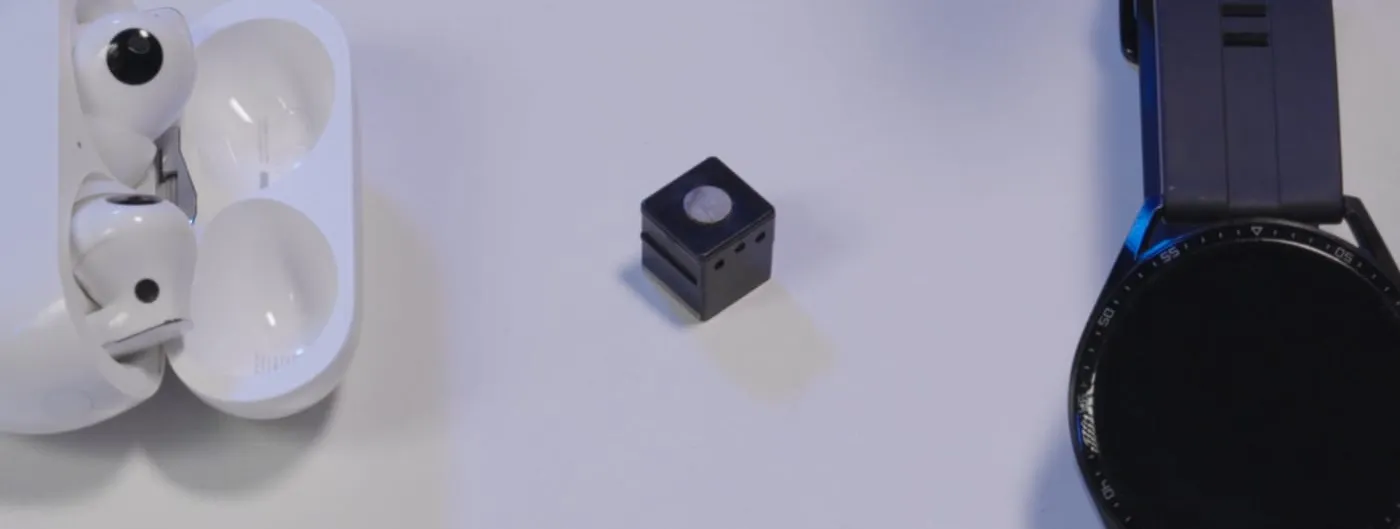
Tianjin University, via Science and Technology DailyPress kit
Tianjin University’s Haihe Laboratory of Brain-Computer Interaction and Human-Machine Integration presented a non-invasive brain-computer interface weighing 3 grams on 30 September 2026, according to Science and Technology Daily. The device, named Shengong Xumi Brain Cube, was developed with the company Shengong Diting (Tianjin) Technology.
The unit is a cube of about 2 cubic centimetres that combines EEG electrodes, signal circuitry, a battery and a wireless link in one piece, small enough to rest on the scalp hidden in the hair. It samples brain signals at 1,000 hertz and runs 8 to 10 hours on a charge. The developers say it meets China’s national medical electrical equipment standard GB 9706.226-2021, and they call it the lightest and smallest integrated non-invasive system of its kind; that ranking is their own claim.
Most EEG headsets still rely on caps, headbands or wired electrode arrays. The lab lists clinical monitoring, sleep staging, neurofeedback, workplace safety, brain-controlled games and multi-person recordings as uses. No price, launch date or regulatory approval for the device was announced. According to tech360.tv, the Haihe team has already brought more than 20 brain-computer interface medical devices to market.