An at-home EEG headset held up through eight months in ALS
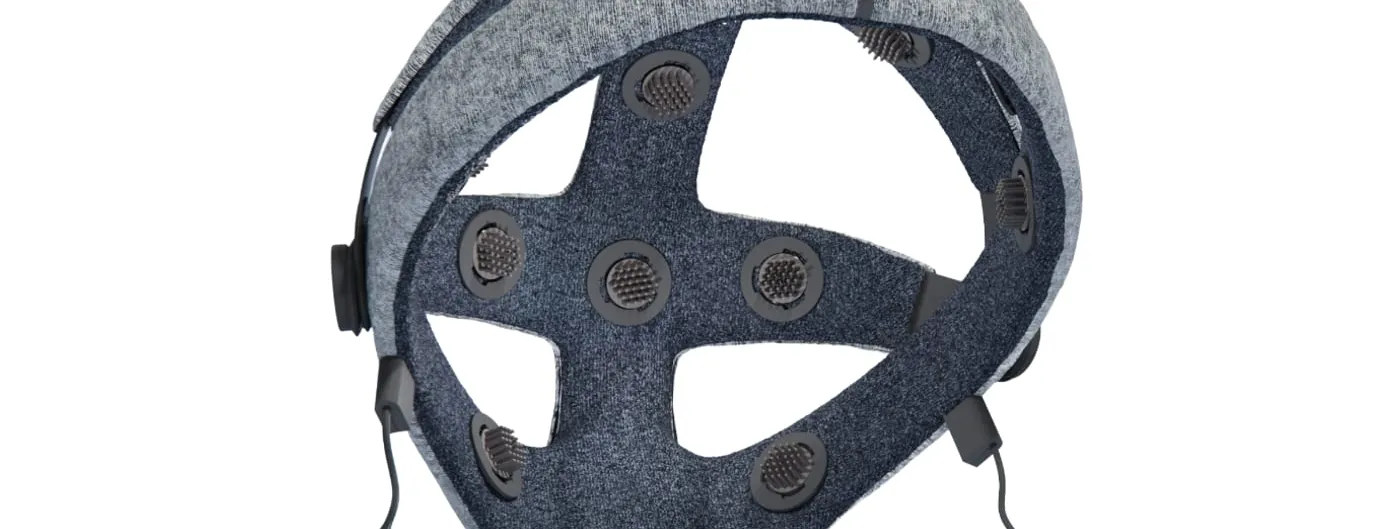
Cumulus Neuroscience, based in Belfast, published a study in Scientific Reports testing whether people with motor and speech impairment can run their own brain recordings at home. Twenty-eight participants took part — 11 with amyotrophic lateral sclerosis, 7 with frontotemporal dementia, and 10 matched healthy controls — using the company’s 16-channel wireless dry-sensor EEG headset every two weeks across an eight-month protocol, with in-clinic benchmark assessments at baseline, four months and eight months.
The numbers reported are about usability rather than diagnosis. The ALS group returned a mean System Usability Scale score of 89; 82 per cent rated the platform easy to use and 75 per cent described their overall opinion as positive or very positive. Sessions that were completed carried 92 per cent data completeness.
The result matters because of who was holding the headset. Dry-sensor EEG at home removes the gel, the technician and the clinic visit, and the population that stands to gain most from frequent cognitive measurement is precisely the one least able to travel for it. What the study establishes is feasibility — that the recordings can be got at all, from hands losing their grip — not yet that they detect anything a clinic would miss.