Human-like hands stir more motor-cortex activity, BrainGate finds
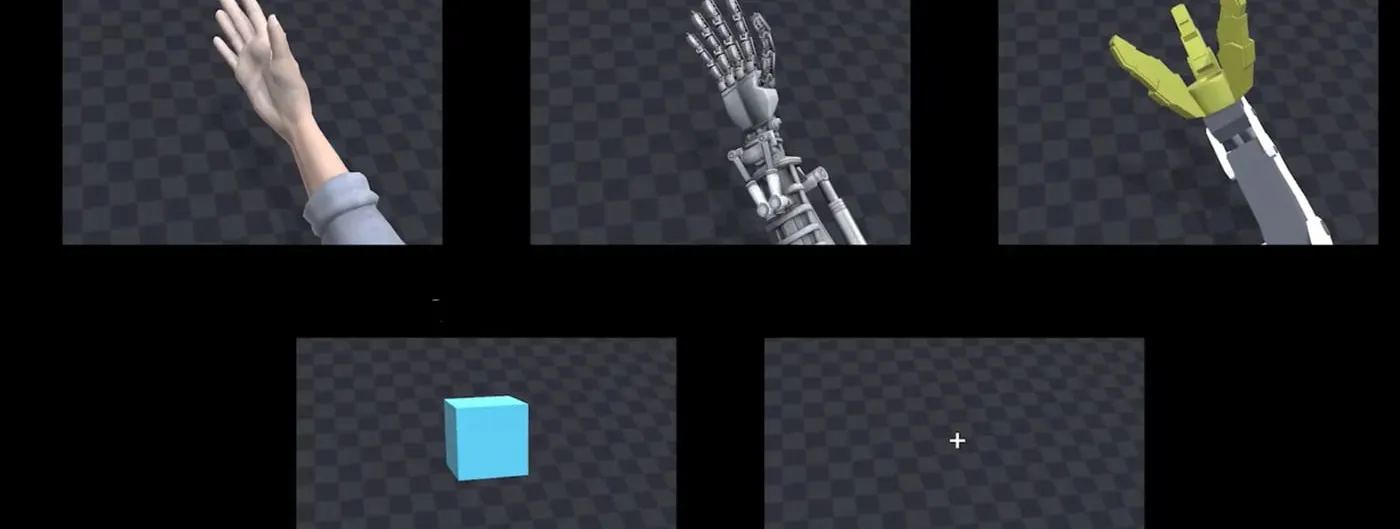
A BrainGate study published in PNAS on 21 September 2026 recorded single neurons in the motor cortex of two people with tetraplegia while they watched grasping movements made by four effectors: a human hand, an anthropomorphic robot hand, a three-pronged robot claw and a cube. Both participants have microelectrode arrays implanted in the motor cortex through the BrainGate clinical trial.
Activity during observation was strongest for the human hand and fell as the effector looked less human. The pattern held across the recorded network, where more neurons responded, and within single neurons, which fired faster. When the participants attempted the grasp themselves, all four effectors produced similar activity whatever they looked like.
Lead author Jacob Gusman of Brown University described the observation response as a network effect rather than the work of specialised “mirror neuron” cells. The team, which includes Leigh Hochberg and researchers at Mass General Brigham and the VA Center for Neurorestoration and Neurotechnology, set out to learn how visual feedback may shape a person’s ability to control external devices through a brain-computer interface, from a computer cursor to an assistive robot arm.