Bionics
31 pulses01 articles
Subscribe to Bionics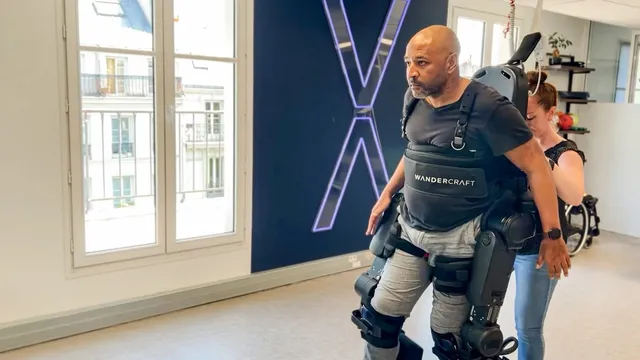

Wandercraft acquires Ekso Bionics and its exoskeleton line
The deal puts four medical exoskeletons, Atalante X, EksoNR, Eve and Indego Personal, under one owner; terms were not disclosed.
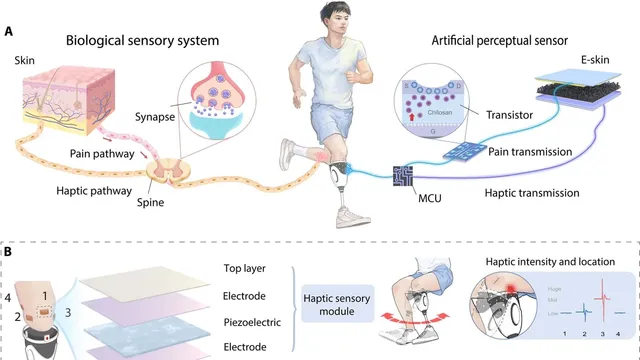

A prosthetic socket sensor mimics touch and pain perception
A Chinese team built a socket sensor array that separates touch from potentially painful pressure, tested in people with below-knee amputation.
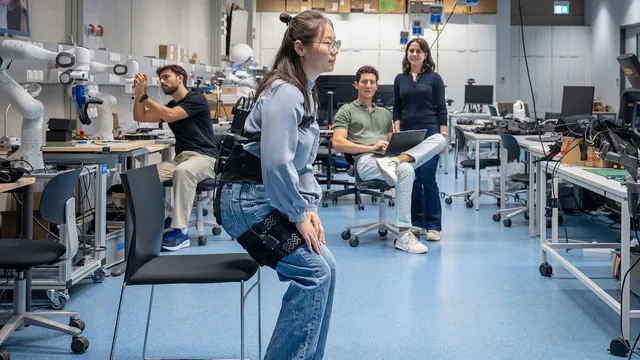

A soft TUM exosuit helps adults aged 69 to 85 stand and walk
In a Nature Communications feasibility study, ten older adults did about two more sit-to-stand cycles a minute and walked at 14% lower metabolic cost on average.
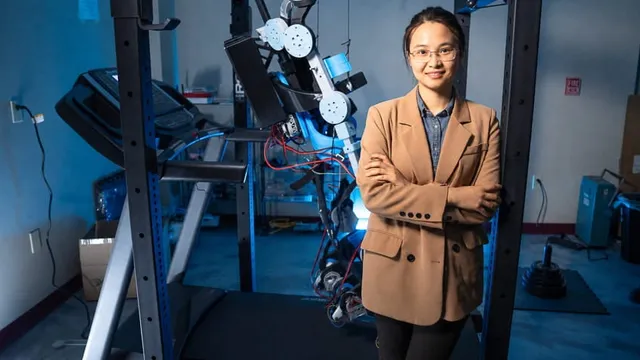

Embry-Riddle wins NIH grant for a self-adjusting hip exoskeleton
Embry-Riddle Aeronautical University said on 28 September 2026 that a $523,000 NIH grant will fund a personalized hip exoskeleton that adapts its assistance without manual control.
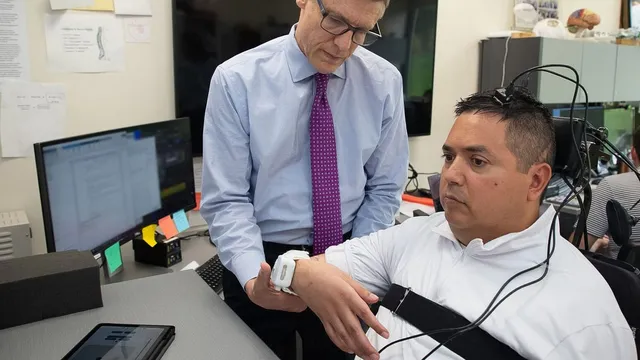

Double neural bypass restores movement and touch in a tetraplegic man
A Feinstein Institutes trial published in Nature Medicine in July 2026 reports an 86% gain in right-arm strength over 35 weeks for a man with complete C4/C5 tetraplegia.
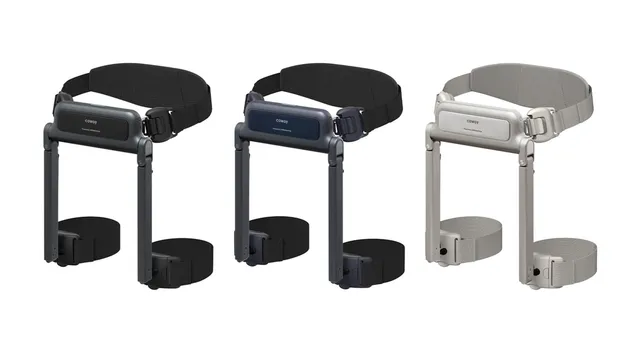

Coway opens bookings for a 1.6 kg walking-assist robot
Coway and WIRobotics will rent a waist-worn walking-assist wearable in Korea from October 2026; pre-consultation bookings opened on 22 September.
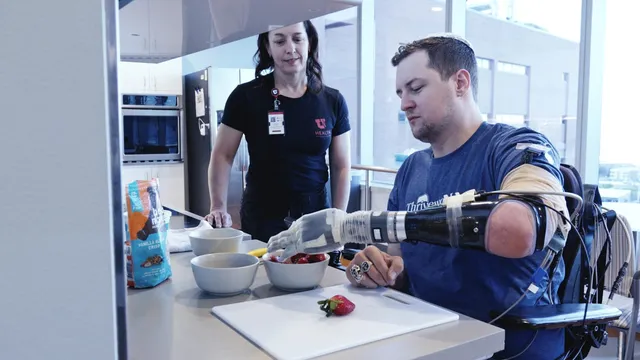

A bionic arm goes home for the first time
Alexander Davidson became the first person to take the University of Utah neuroprosthetic arm out of the lab, for a trial of at least a year.
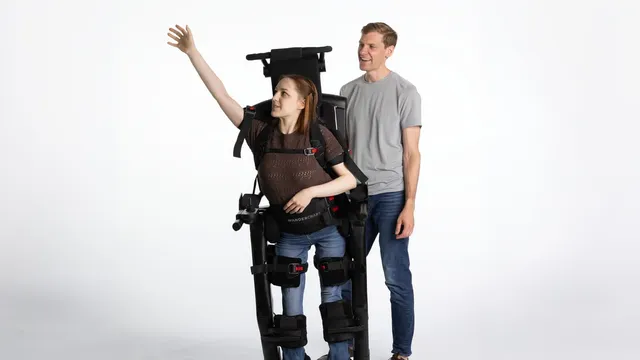

Eve goes on sale, the first self-balancing personal exoskeleton
Wandercraft opened US sales of Eve on 17 September 2026, five weeks after FDA clearance, with Medicare, VA and workers-compensation pathways already in place.
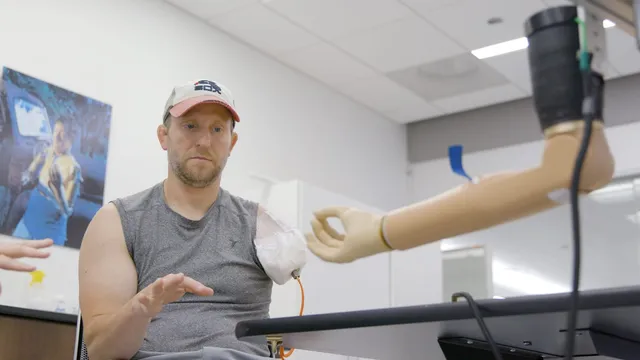

First US patient gets a bone-anchored, mind-controlled bionic arm
A Chicago man received the e-OPRA implant on 15 July 2026, combining a titanium anchor in the bone with implanted muscle electrodes and nerve cuffs that return a sense of touch.


Two brain targets, one ultrasound session, for Parkinson's
Surgeons at CU Anschutz treated two tracts 6 to 9 mm apart in a single incisionless focused-ultrasound procedure, easing tremor and rigidity in two patients at once.
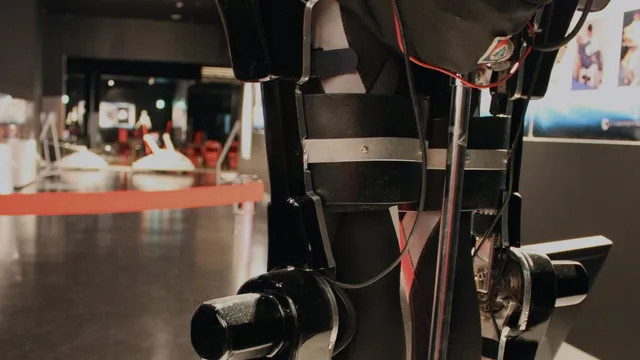

Japan enters the HAL-3 exoskeleton into its technology heritage
Japan's National Museum of Nature and Science registered the 2001 HAL-3 powered suit among 13 new Important Science and Technology Historical Materials.
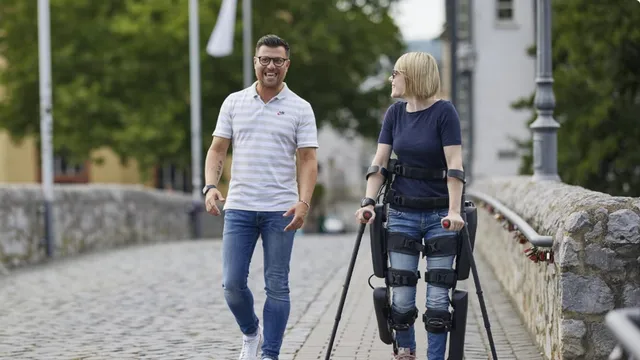

A home exoskeleton study looks past walking to daily tasks
Twelve people with chronic spinal cord injury used a ReWalk exoskeleton at home; all twelve completed kitchen tasks standing, and most reported less pain than in a wheelchair.
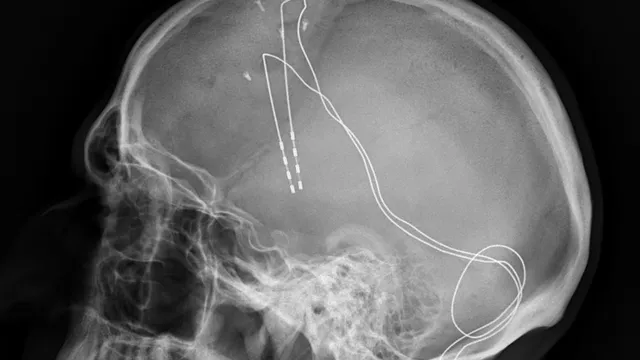

Genlight raised C and D rounds for an epilepsy neurostimulator
The Hangzhou company disclosed several hundred million yuan across two rounds on 8 September 2026, for an implantable epilepsy stimulator and a spinal-cord interface.
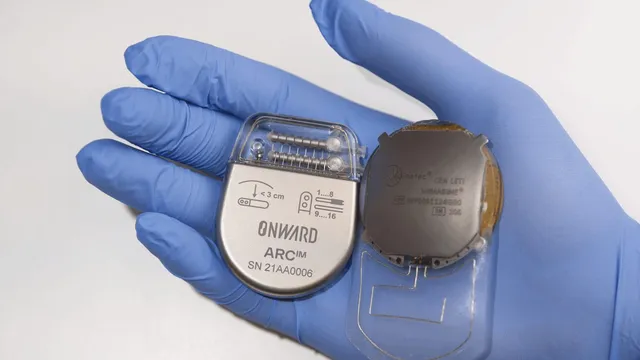

Seven people have now received ONWARD ARC-BCI therapy
ONWARD Medical's half-year results, published 9 September 2026, put the cumulative ARC-BCI implant count at seven and ARC-EX unit sales up 430%.
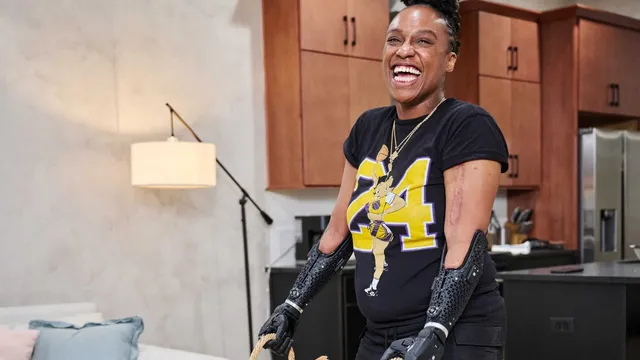

A boy who lost four limbs to sepsis is fitted with a bionic arm
Fin Lawlor, 11, received an Open Bionics Hero PRO myoelectric arm days before starting secondary school, nine years after meningococcal septicaemia took his limbs.
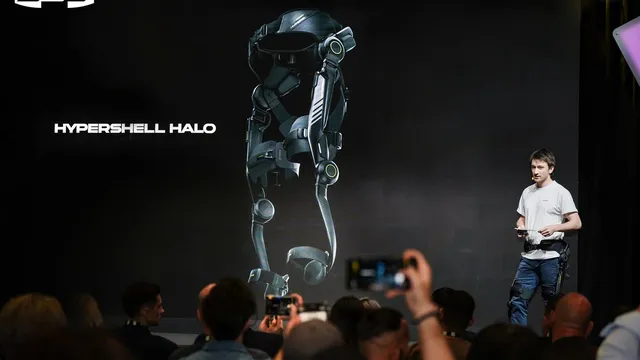

Hypershell opens orders for a full-leg exoskeleton
The Halo powers hips and knees together at 1,490 W in a 2.6 kg frame, with the first 200 units at $2,299 and deliveries starting in November 2026.
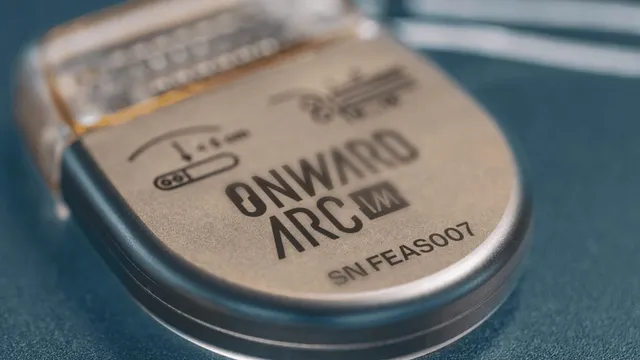

ONWARD implants its spinal stimulator in the first EIGER patient
The ARC-IM neurostimulator and lumbar lead went into the first of up to 12 participants at CHUV in Lausanne, in a study of standing and walking after spinal cord injury.
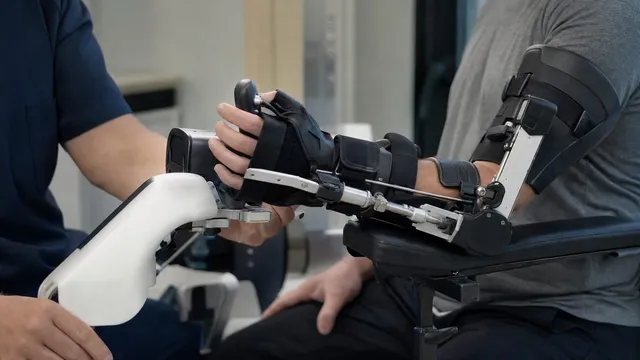

An Indian stroke-rehab exoskeleton heads to Australian trials
RoboExo SMART, developed at IIT Delhi and tested in more than sixty patients at AIIMS, is moving to clinical trials in Australia through a partnership with Proxmed.
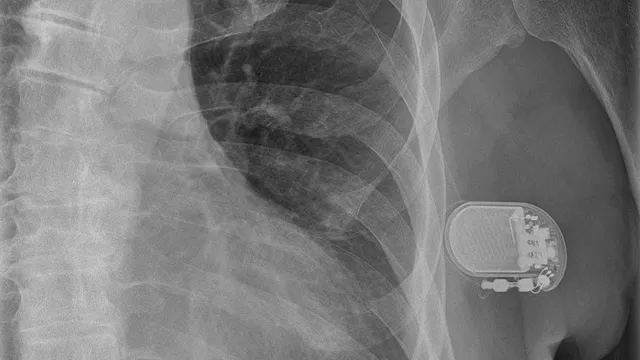

US stroke guideline takes up implanted vagus nerve stimulation
The AHA and ASA replaced their 2016 rehabilitation guideline on 27 August, and the device maker says paired VNS is named in it for upper-limb recovery.

An injected muscle graft that exercises itself, tested in mice
Chinese Academy of Sciences researchers report myografts that self-assemble under the skin, contract on their own, and improve bone, liver and cognitive measures.
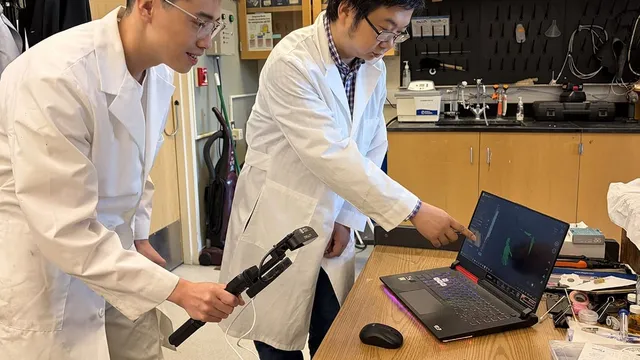

A snap-together electronic skin for prosthetic touch
Washington State University reports modular e-skin with ten times finer resolution than commercial glove sensors, fitted to each limb by 3D printing.
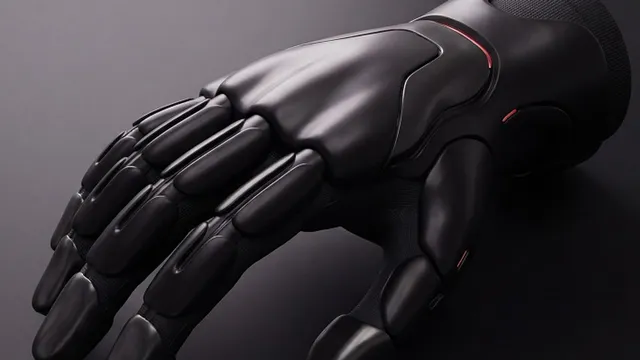

A Korean firm shows an EEG-driven robotic hand glove in Beijing
Dynamic Solution unveiled a non-invasive brain-computer interface glove that turns scalp EEG into individual finger movement, built on X-HAND tactile technology licensed from ETRI.
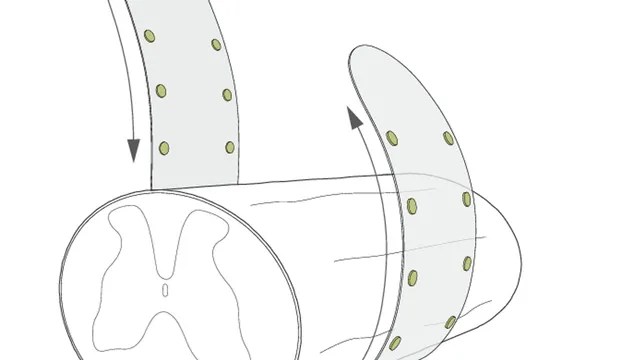

A spinal implant reads movement, sensation and organ signals at once
A flexible array wrapped around the spinal cord of freely moving rats decoded intended movement, sensory type and autonomic traffic in a single device.
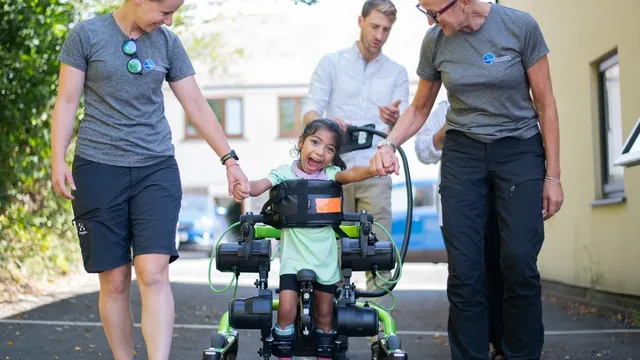

A Welsh village clinic gives a walking robot its UK debut
Trexo Robotics brought its motorised pediatric exoskeleton to Equinox Physiotherapy in Cross Hands on 13 August 2026, its first appearance in the UK.
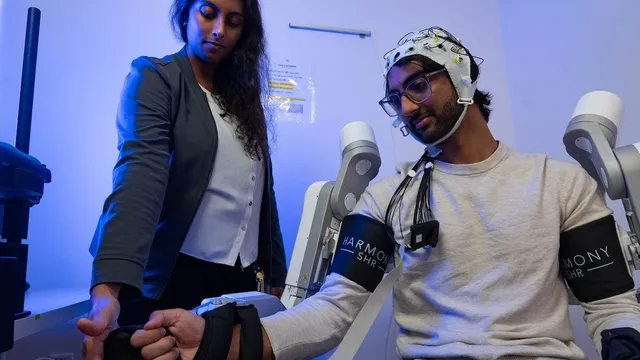

A stroke pilot lets the good arm drive the impaired one
Rice University and UTHealth Houston opened a 10-participant pilot in which a bilateral arm exoskeleton carries movement from a stroke survivor’s unaffected arm to the affected one.
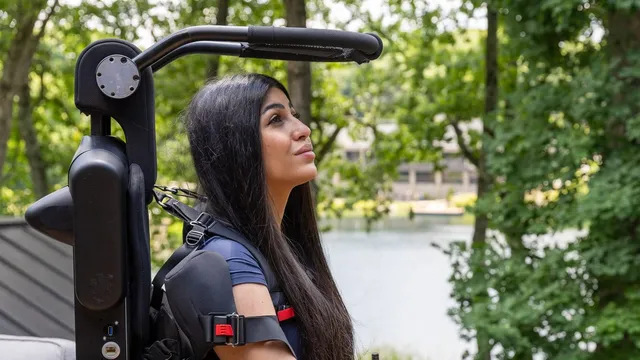

The FDA clears a self-balancing exoskeleton for use at home
Wandercraft's Eve is cleared for eligible wheelchair users with spinal cord injuries at any level, with a US commercial launch set for 17 September 2026.
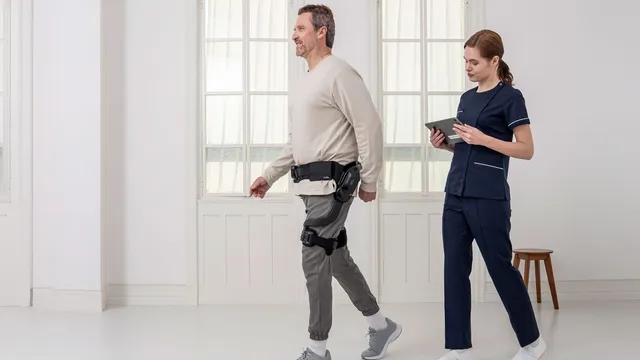

Angel Robotics registers its walking exosuit in Vietnam
The Angel Suit H10 cleared Vietnam's Class B medical-device declaration on 5 August 2026, the Korean maker's second overseas registration for the device.
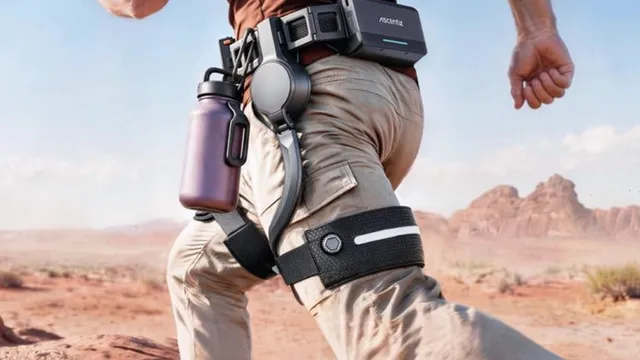

A modular hip exoskeleton goes on direct sale at $1,499
Ascentiz began selling its H Series hip exoskeleton on 6 August 2026, claiming up to a 35% cut in the work of walking and up to 50 km of assisted range.
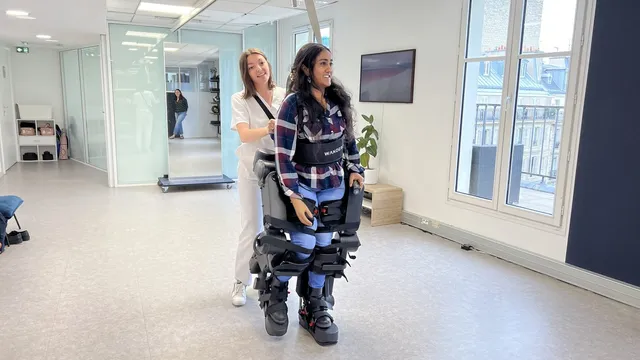

Ecuador clears Wandercraft's self-balancing walking exoskeleton
ARCSA cleared the Atalante X on 27 July 2026 for spinal cord injuries from C4 to L5, stroke hemiplegia and multiple sclerosis, opening Ecuadorian rehabilitation clinics to the device.


A motor-free exosuit cuts the energy cost of walking by 13.9%
A hip exosuit driven entirely by dielectric elastomer artificial muscles, with no motors and no pneumatics, lowered metabolic cost in a treadmill test.
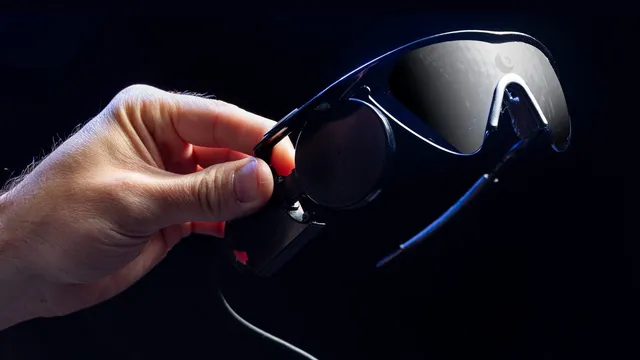

Deep learning shapes cortical stimulation in a blind participant
A neural network designed the stimulation patterns for a 96-channel implant in a blind man's visual cortex, reproducing target brain activity with less current.
Articles
Cyborgs Don't Go to Hell
Why the augmented future is not a damnation story.