An Indian stroke-rehab exoskeleton heads to Australian trials
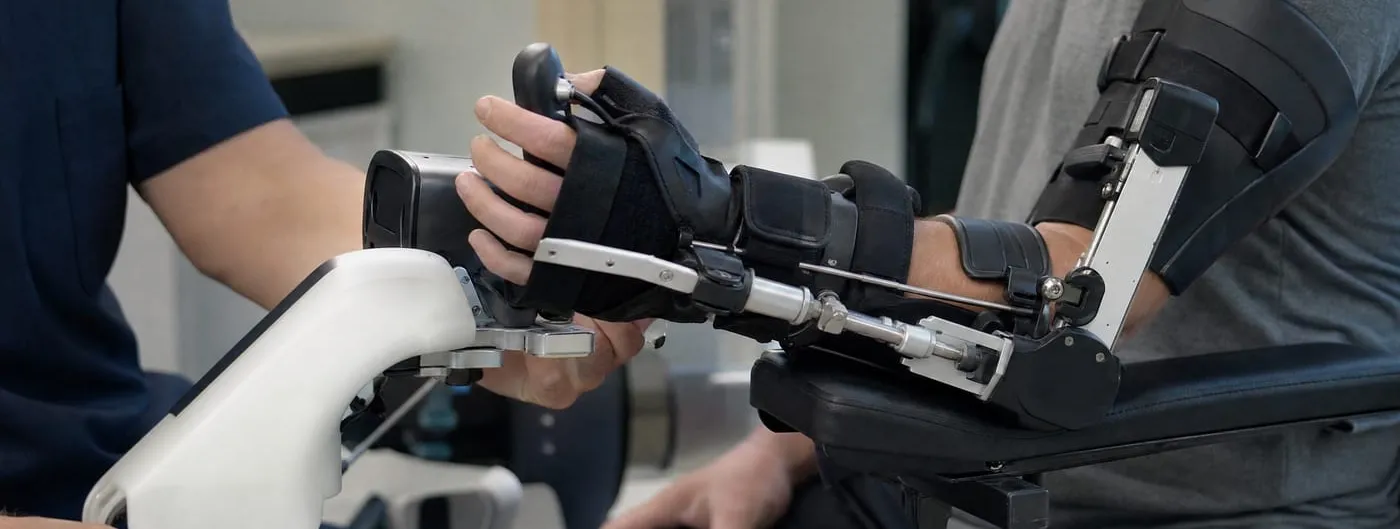
AI-generated illustrationAI-generated illustration
The Centre of Biomedical Engineering at IIT Delhi announced on 2 September 2026 that RoboExo SMART, a hand exoskeleton it describes as a human-computer interface for upper limb rehabilitation, is moving from national validation to clinical trials abroad.
The device was developed in the laboratory of Prof. Amit Mehndiratta with Dr. Neha Singh. More than sixty patients have been enrolled in its trials in the Neurology Department at AIIMS, led by Dr. M.V. Padma Srivastava, head of neurology and chief of the CN Centre. The Centre says the device has completed national clinical validation and is now advancing to clinical trial studies for international acceptability.
The Australian leg runs through a collaboration with Proxmed Pty. Ltd., supported by Prof. Mark Parsons of the Department of Medicine and Neurology at Liverpool Hospital and the University of New South Wales.
Upper-limb recovery after stroke is the harder half of the problem: gait training has a larger device market and better reimbursement, while hand and arm function, the part that decides whether someone can dress or eat unaided, has fewer options. A device that ran its first sixty patients through a public hospital in Delhi and is now being asked to repeat that in Australia is a test of whether rehabilitation robotics can travel out of the country that built it.