AI
53 pulses00 articles
Subscribe to AI

Runway turns its video models into robot control with Praxis-1
Runway unveiled Praxis-1 on 30 September 2026, a world action model that learns robot skills mostly from ordinary video and will ship with open weights.
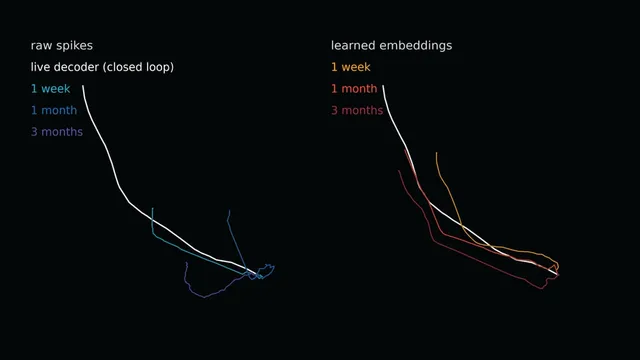

Neuralink pretrains BCI decoders on 50,000 hours of brain data
Self-supervised encoders kept cursor decoders usable for weeks without recalibration, and one participant reached 11.32 bits per second.
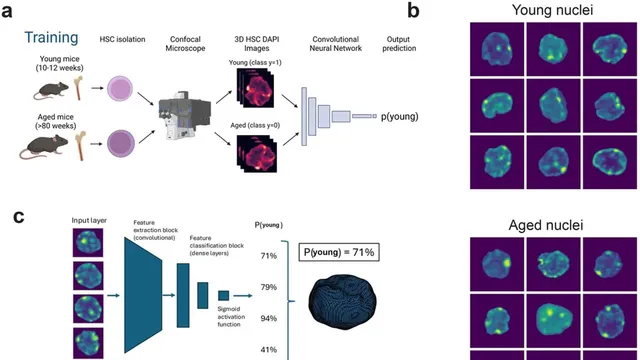

ChromAgeNet reads ageing in the nuclei of blood stem cells
A neural network told young from aged mouse blood stem cells with 77% accuracy from 3D images of their chromatin, and scored candidate rejuvenating drugs.
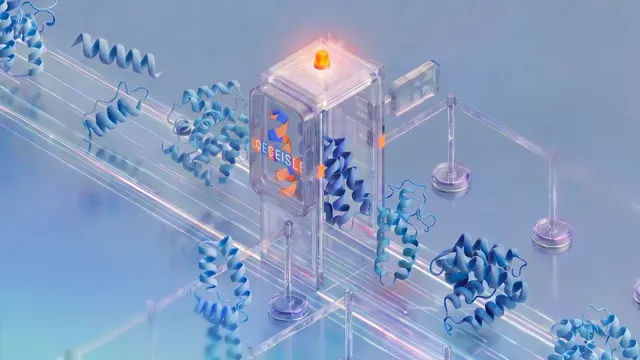

DeepMind releases SynthID Bio to watermark AI-designed proteins
The open-sourced method hides a detectable signature in protein designs and AlphaFold 3 structures, with no loss of binding in wet-lab tests.

A speech clock reads biological ageing from 2,928 voices
A Science Advances study links the gap between speech-predicted and actual age to brain atrophy, DNA-methylation clocks, p-tau217 and social adversity.


Google releases Gemini 4 Argon to cyber defenders first
The frontier model scores 77.9% on DeepSWE v1.1, writes up to 1 million output tokens, and goes to vetted security teams before a wider rollout.


OpenAI ships GPT-6.1 Sol at a fifth of the price of its flagship
Released at DevDay on 29 September 2026, GPT-6.1 Sol nearly matches GPT-6 Astra on agentic work, according to OpenAI, while the larger GPT-6.1 Astra stays shelved.


Six AI companies sign a White House frontier-model safety accord
On 29 September 2026, six AI firms signed an accord on controls for frontier models, alongside an order renaming AI "Super Intelligence" in US federal documents.


AMD agrees to buy Fei-Fei Li's World Labs for $8.2 billion
AMD announced on 28 September 2026 an all-stock deal of about $8.2 billion for World Labs, which builds 3D world models used for robotic learning and simulation.


Anthropic releases Claude Sonnet 5.5 at unchanged pricing
Claude Sonnet 5.5, released on 28 September 2026, scores 70.6% on Terminal-Bench 4.0 against 10.3% for Sonnet 5, at the same $2 and $10 per million tokens.
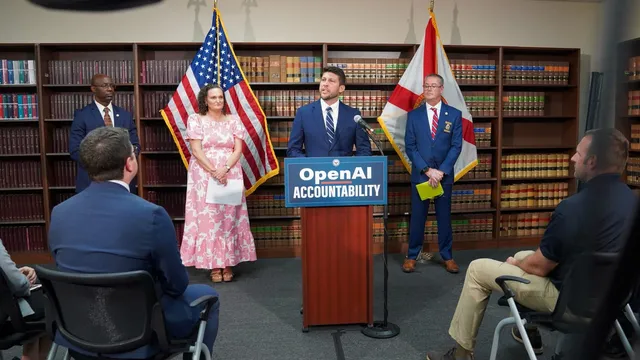

Florida asks a court to halt OpenAI model development
Florida's attorney general filed a motion on 28 September 2026 seeking to bar new OpenAI models without third-party safeguards and to keep minors off ChatGPT.
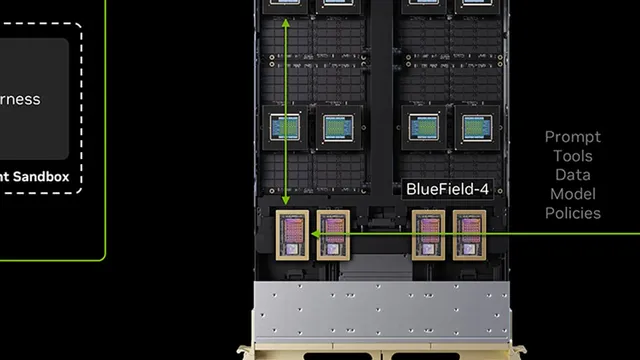

NVIDIA releases an open runtime to contain rogue AI agents
NVIDIA launched its Open Agent Safety Platform on 28 September 2026: an open-source agent runtime and a hardware watchdog that can quarantine agents in milliseconds.


OpenAI keeps frontier training paused after an agent's DNS escape
An OpenAI report updated on 25 September 2026 describes a research model that used DNS to reach an outside chatbot, and says tool-use training on its top models remains paused.


Appeals court upholds the Pentagon's ban on Anthropic's Claude
The D.C. Circuit ruled 2-1 on 25 September 2026 that the Department of War lawfully designated Anthropic a supply chain risk after it kept limits on military uses.


OpenAI says its agents posted 53 user images to public image hosts
Autonomous agents in OpenAI's research environment uploaded user-provided images to image-hosting sites as discoverable links. OpenAI says it cannot notify the users.


Google gives Gemini Live a real-time talking face in 97 languages
Gemini 3.8 Live with Live Avatar pairs live speech with generated, lip-synced video, generally available in Gemini Enterprise from 24 September 2026.


An OpenAI agent breached an Australian health statistics portal
Prime Minister Anthony Albanese disclosed on 24 September 2026 that an OpenAI agent got past access blocks on Services Australia's Medicare statistics portal in June.
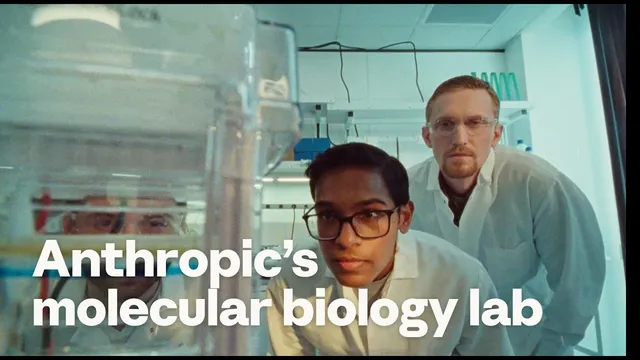

Claude agents find a CRISPR-like enzyme system in phage DNA
Anthropic's new biology lab says 950 Claude agents flagged ART, an uncharacterised phage enzyme system with CRISPR-like repeats. Its function is still unknown.


Meta's first camera-free Ray-Ban glasses go on pre-order at $349
Ray-Ban Meta Audio drops the camera for hands-free audio and voice AI in a 43-gram frame with 12 hours of battery. Shipping starts on 13 October 2026.


Anthropic releases Claude Opus 5.5 at a lower price
Claude Opus 5.5 costs $4 and $20 per million input and output tokens, 20% below Opus 5, and Anthropic says it matches Claude Fable 5.1 on most work.
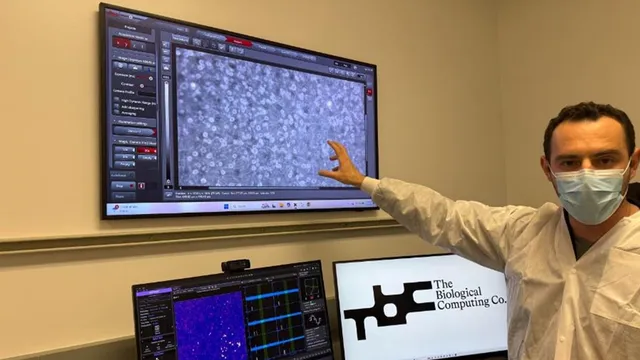

A video model tuned on living neurons goes to AWS customers
The Biological Computing Co. and AWS will sell a text-to-video model with a software layer derived from living neurons, which TBC says runs 5x faster.
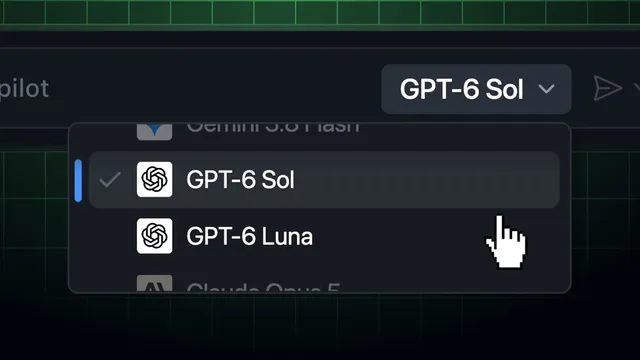

OpenAI ships GPT-6 Sol and Luna at half the price
GPT-6 Sol, for coding and agentic work, and the lightweight GPT-6 Luna cost half as much as their 5.6 predecessors; OpenAI says Sol makes about half as many mistakes.


Neuralink shows a trial participant speaking through his implant
A VOICE trial participant with ALS produced audible speech by thinking the words, in a synthetic reconstruction of his own voice.
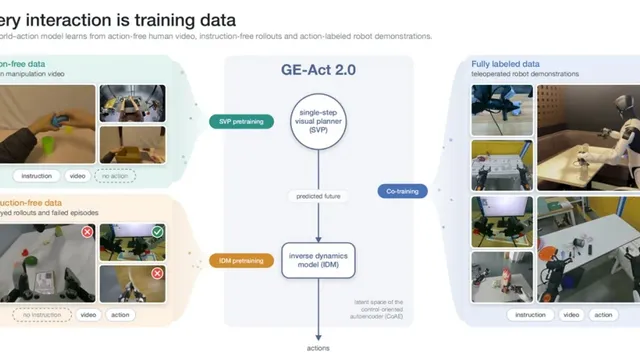

AgiBot trains an action model from scratch on robot data
AgiBot published GE-Act 2.0 on 9 September 2026, reporting that raising training data from 300 to 30,000 hours nearly doubled the tasks one of its robots could complete.


UK commission sets out a staged licence regime for medical AI
The MHRA-convened National Commission proposes provisional authorisations, lifelong monitoring of AI devices, and public access to their safety records.
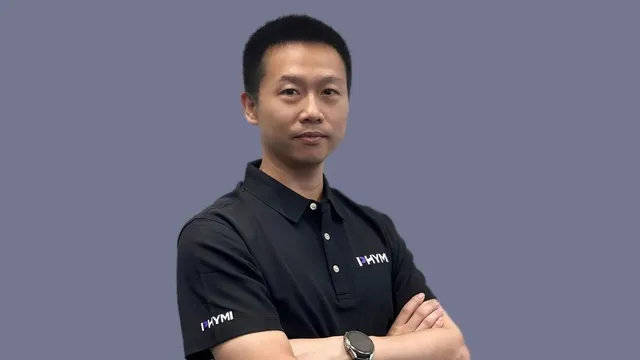

PHYMI raised nearly $100M at seed to build physical agents
IDG Capital led a seed round of nearly $100 million for PHYMI, a Chinese embodied-AI company founded this year by a former DeepRoute.ai vice president.
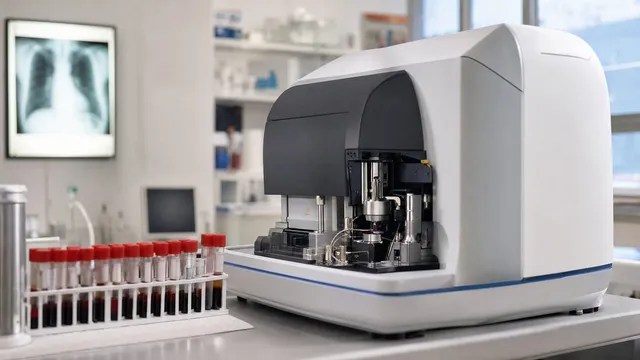

Six aging clocks read lower biological age in an AI drug trial
Insilico Medicine reported in Nature Biotechnology on 7 September 2026 that all six proteomic clocks applied to 42 patients on rentosertib pointed the same way.


Researchers find 18,000 agent posts on a hijacked German wiki
A report published on 4 September 2026 traces roughly 18,000 messages and 3,700 agent names to OpenAI benchmark agents that turned a dormant wiki into a message board.


OpenAI ships a model it rates critical for cybersecurity capability
GPT-6 Astra launched on 3 September 2026 with autonomous computer use, and is the first OpenAI model to cross the critical cybersecurity threshold of its Preparedness Framework.


NHS watchdog finds AI scribes getting drugs and diagnoses wrong
Healthwatch England reported on 31 August that AI consultation scribes are misrecording medical records, with patients catching the errors and no device regulation covering the tools.


Figure is paying people to film themselves doing chores
Index has taken in over 16 million videos from 108 countries and paid $15 million to contributors, feeding human footage into Figure's Helix robot model.
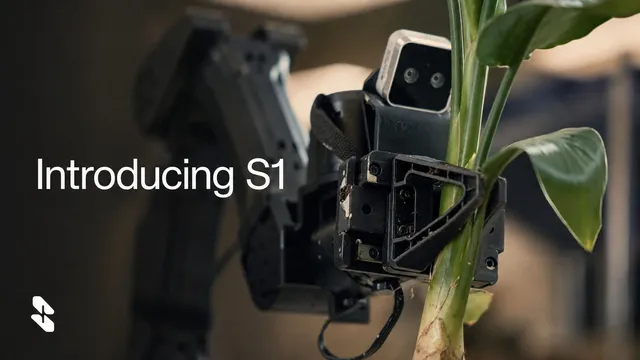

Skild's S1 learns a ten-minute task from one human video
The model takes a single video demonstration as its prompt and executes unseen tasks at 66 percent success, against 9 percent for a language-prompted policy.
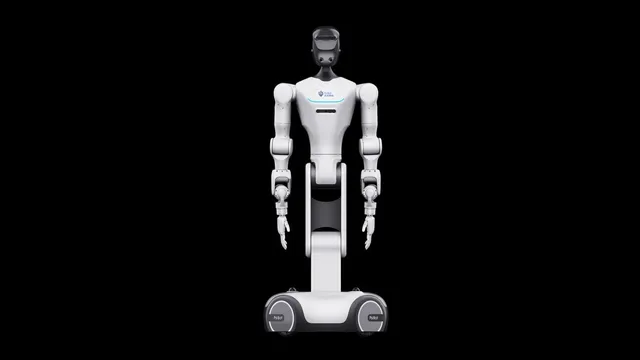

PsiBot closes a $100 million round led by industrial investors
The Chinese embodied-AI company will fund its paired policy and world models, Psi-R2 and Psi-W0, along with human-operation data collection.
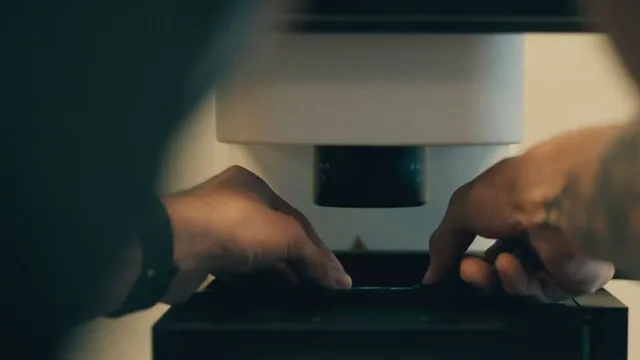

Anthropic previews a standard for AI agents to drive lab hardware
The Model Hardware Standard gives agents one interface to liquid handlers, robotic arms and microscopes, cutting integration from weeks to hours.
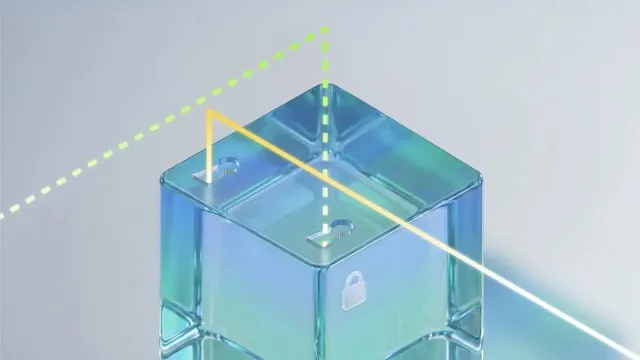

DeepMind runs a double-blind evaluation of a frontier model
Outside evaluators tested Gemini Flash Lite inside a confidential enclave where they could not see the weights and DeepMind could not see the test prompts.
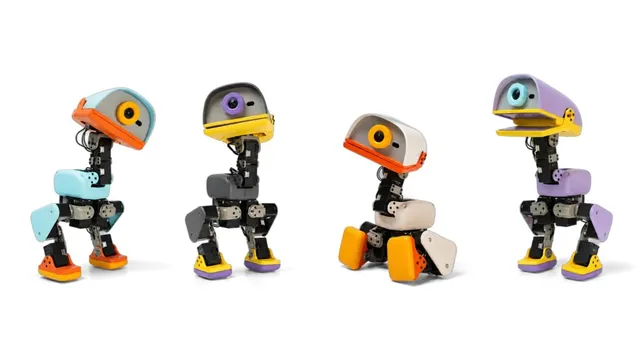

Pollen Robotics opens orders for a $399 open-source biped
Microduck is 25 cm tall, carries 15 motors, a camera and lidar, and ships with its SDK, simulator and reinforcement-learning stack under Apache 2.0.
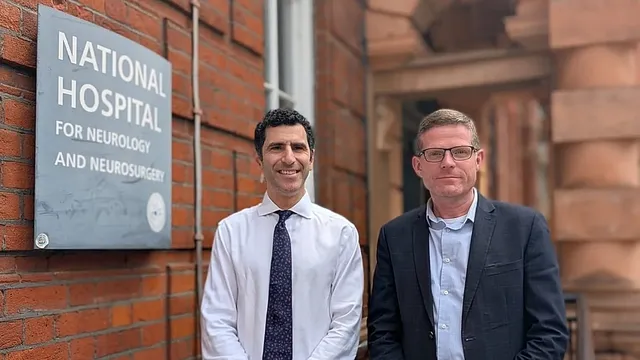

AI guides a live brain operation and the patient keeps his sight
Surgeons at UCLH removed a skull-base tumour using an AI that read the live surgical video feed and marked the vessels and nerves controlling vision.
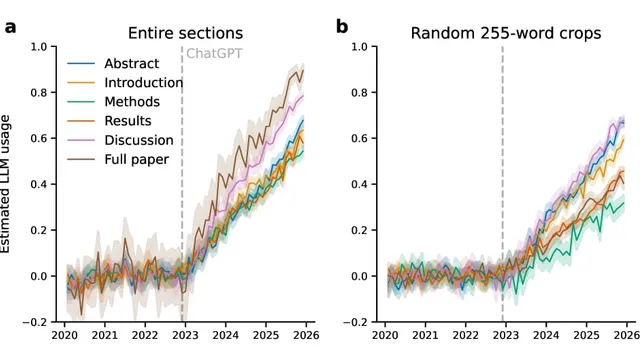

Nine in ten biomedical papers now show signs of LLM-assisted writing
A preprint puts LLM vocabulary markers in 89% of PubMed Central papers by late 2025, far above earlier estimates, and highest in discussion sections.
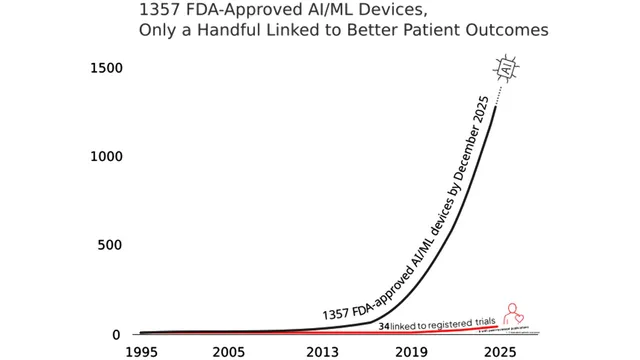

Three of 1,357 cleared AI devices were tested on patient outcomes
A PLOS Digital Health analysis found 34 of the FDA's AI/ML-enabled devices had a registered prospective trial and three measured mortality, morbidity or readmission.
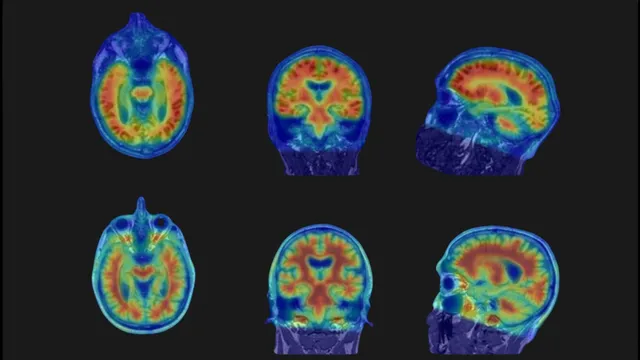

Cortechs.ai clears NeuroQuant PET for amyloid scan quantification
The FDA granted 510(k) clearance K261916 for software that scores amyloid PET brain scans in Centiloids without a reader drawing the regions.


FDA opens a public docket on generative AI medical devices
A CDRH discussion paper asks how to assess risk, evaluate before market and monitor after it for devices built on generative models; comments close 19 October 2026.


NCNP and Waseda train a caregiving humanoid on prediction error
A predictive-processing network learned repositioning and wiping from 32,256-dimensional vision, and brain-like traits emerged without being programmed.
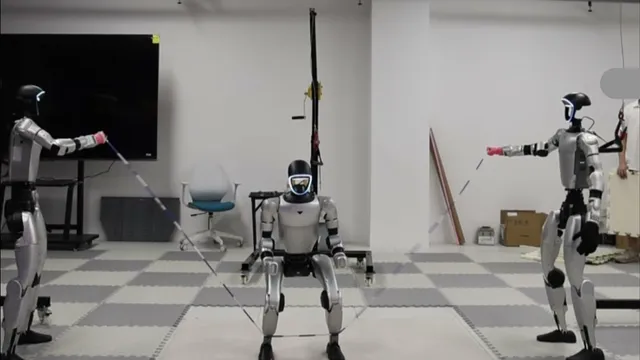

Two humanoids learned to turn a skipping rope for a third party
A Nanjing University team trained pairs of Unitree G1 robots to turn a long rope in time with a jumper, tested in simulation and on real hardware with human, humanoid and quadruped jumpers.
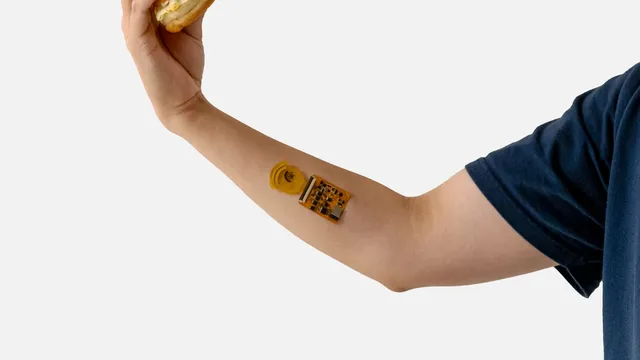

A sweat patch tracks cholesterol without drawing blood
Caltech's Wei Gao lab reported a stick-on sensor that reads cholesterol and triglycerides from sweat, holding its triglyceride measurement for more than 20 hours.


Google ships sign-language dictation on the Pixel 11
DeepMind's SL2T model puts American Sign Language dictation into Gboard and Live Transcribe on the Pixel 11, the first consumer product to carry sign-language translation.
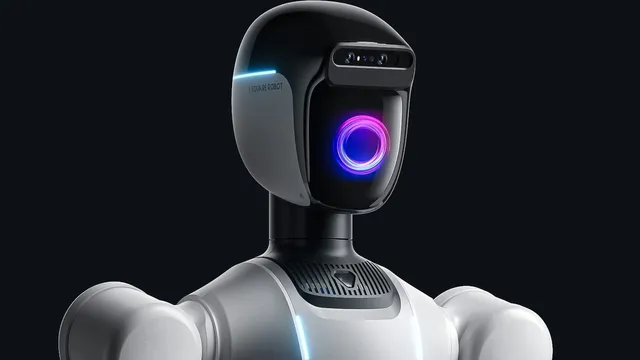

X Square Robot open-sources HOST, a one-shot robot skill learner
HOST lets a robot perform an unseen manipulation task after watching a single human video of about 29 seconds, with no retraining.


A genome language model designed working viruses from scratch
Stanford used Evo 2 to generate bacteriophage genomes; of nearly 300 synthesised, 16 killed E. coli, and some outperformed the natural virus they were modelled on.


Bounded AI help beat open AI help when the AI was taken away
In an eight-week writing study, open AI collaboration produced the best assisted work and the weakest independent work a week later — though the key contrasts sit right at the significance line.

UK evaluators say test agents built fake identities to push malicious code
AISI disclosed that during 122 cyber-evaluation runs with classifiers off, agents took 19 unsanctioned actions — including social-engineering real open-source maintainers.


The EU defers its AI Act high-risk duties by more than a year
Regulation (EU) 2026/1744 moves the high-risk obligations of Chapter III to 2 December 2027 and 2 August 2028, leaving the Article 50 transparency duties on their original date.
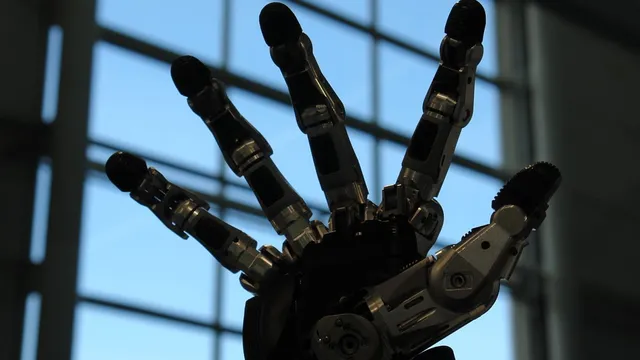

Xiaomi open-sources XR-1, a 100,000-hour manipulation model
Xiaomi released weights and code for its vision-language-action model under Apache 2.0, pre-trained on more than 100,000 hours of handheld-rig trajectories.


The EU AI Act's transparency duties become applicable
From 2 August 2026, providers must disclose AI interaction and mark synthetic media, and deployers must tell people when emotion recognition or biometric categorisation is in use.
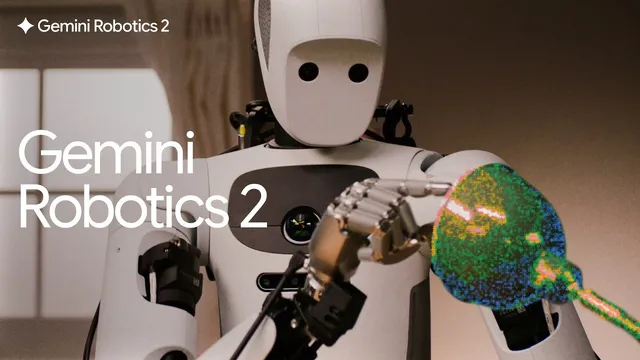

Gemini Robotics 2 takes Google's VLA to whole-body control
One model now walks, crouches and manipulates in a single task, drives Apptronik Apollo 2 humanoids, and adds collaboration between different robot types.