Appeals court upholds the Pentagon's ban on Anthropic's Claude
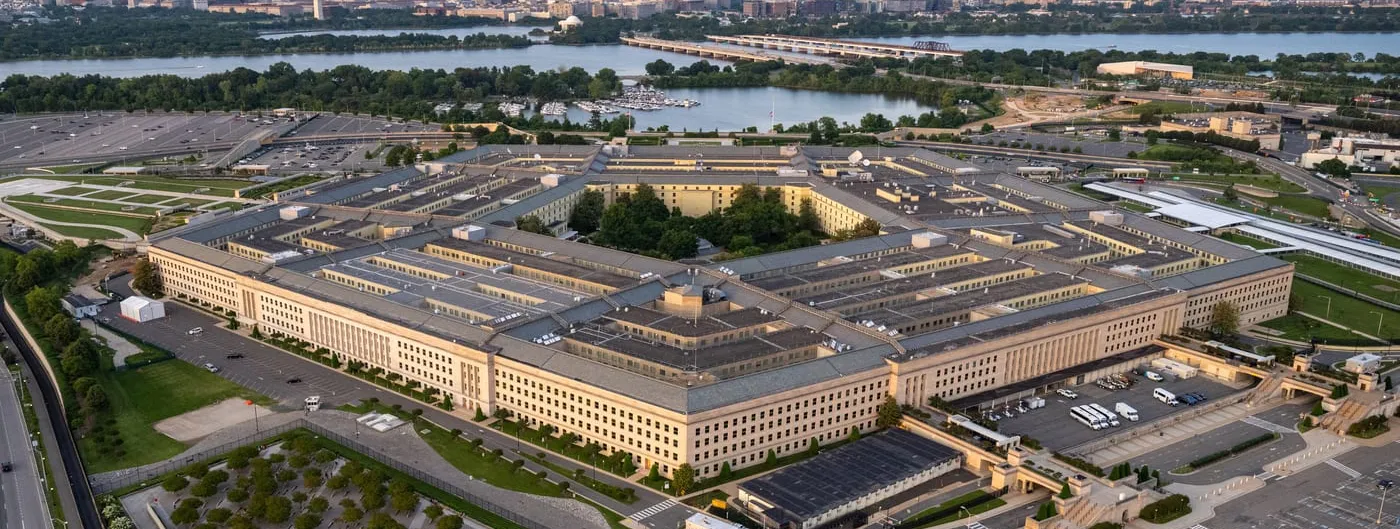
DoD photo by U.S. Air Force Staff Sgt. John Wright, via Wikimedia CommonsPublic domain

The U.S. Court of Appeals for the D.C. Circuit on 25 September 2026 denied Anthropic’s petitions against the Department of War’s decision to exclude its Claude models from the department’s supply chain. The vote was 2-1: Judge Gregory Katsas wrote the majority opinion, joined by Judge Neomi Rao, and Judge Karen LeCraft Henderson dissented.
The dispute began when the department sought contract terms allowing Claude to be used for all lawful purposes. Anthropic refused to lift its restrictions on fully autonomous weapons and domestic mass surveillance. In March 2026 the Secretary of War designated the company a supply chain risk under the Federal Acquisition Supply Chain Security Act of 2018 and ordered Claude removed from the department’s systems and those of its contractors.
The majority held that the Secretary stayed within his statutory and constitutional authority, rejecting Anthropic’s claims that the exclusion was arbitrary, unauthorised, denied due process and punished protected speech. It found the department could reasonably fear that Anthropic might shape Claude’s design to block functions the military considers necessary. Henderson argued that the statute’s definition of supply chain risk covers deliberate subversion, not a contractor openly enforcing the use limits written into its contract.