DeepMind releases SynthID Bio to watermark AI-designed proteins
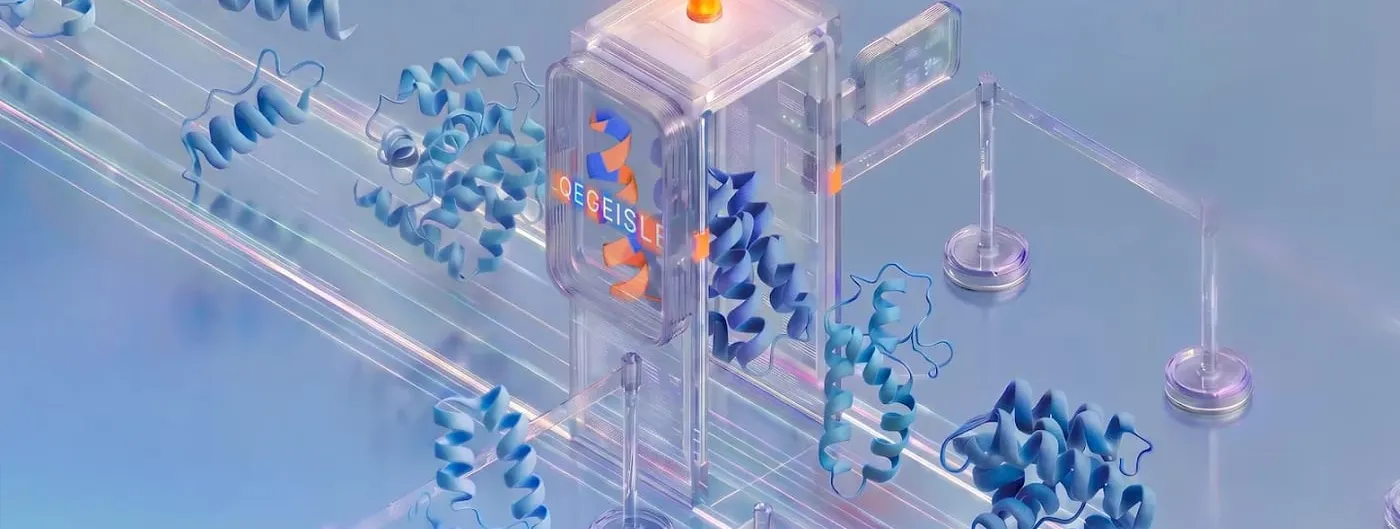
Google DeepMind introduced SynthID Bio on 30 September 2026, a watermarking method for proteins designed by artificial intelligence. The work is published in Nature, and DeepMind released the code, the in vitro data and the model weights to researchers.
The watermark is written into the design itself. For protein sequences, SynthID Bio subtly guides the choice of amino acids; for predicted 3D structures, it adjusts atomic coordinates. To cover structure prediction, DeepMind fine-tuned a small part of AlphaFold 3’s diffusion network, so the signature appears in its outputs whoever runs the model.
The open question was whether a hidden signature costs function. In wet-lab tests on three targets, VEGF-A, the receptor-binding domain of the SARS-CoV-2 spike protein and PD-L1, watermarked binders matched unwatermarked designs on hit rate, binding affinity and sequence diversity. DeepMind describes them as the first watermarked protein binders shown to be biologically functional.
The stated purpose is biosecurity: giving DNA synthesis providers a way to check where a designed sequence came from. Twist Bioscience contributed feedback from the synthesis and screening side, and Adaptyv Bio helped with wet-lab validation. DeepMind says making the watermark robust against deliberate tampering is still an open problem.