A youth-associated blood protein restored debris clearance in old brains
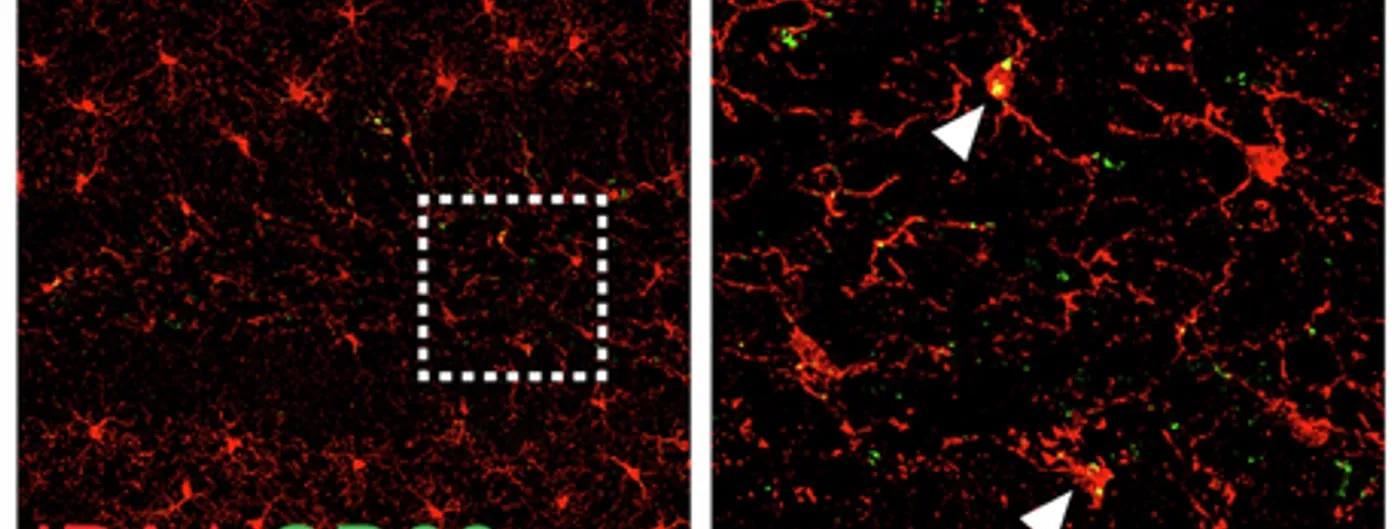
Researchers at the Icahn School of Medicine at Mount Sinai reported in Nature Communications on 12 August 2026 that TIMP2, a protein more abundant in young blood, sets the functional state of microglia, the brain’s resident immune cells.
Deleting TIMP2 in mice pushed microglia toward profiles associated with advanced ageing and neurodegeneration: impaired clearance of debris and raised inflammatory markers. Running the experiment the other way, systemic TIMP2 given to 20-month-old mice improved their microglia’s capacity to clear debris and shifted gene expression away from those inflammatory states. Single-nucleus RNA sequencing and imaging were used to read the changes.
Microglia are the cells that dispose of the waste an ageing brain accumulates, so the result speaks to a mechanism rather than a symptom. TIMP2 has been studied before as one of the factors behind the rejuvenating effects of young blood; this work places microglia among the cells it acts on directly.
The work was led by first author Brittany Hemmer and corresponding author Joseph Castellano, Associate Professor of Neuroscience at the Ronald M. Loeb Center for Alzheimer’s Disease. It was conducted entirely in mice. Whether TIMP2 or the pathways it regulates do anything comparable in humans is not established.