Opus Genetics reports first vision gains from BEST1 gene therapy
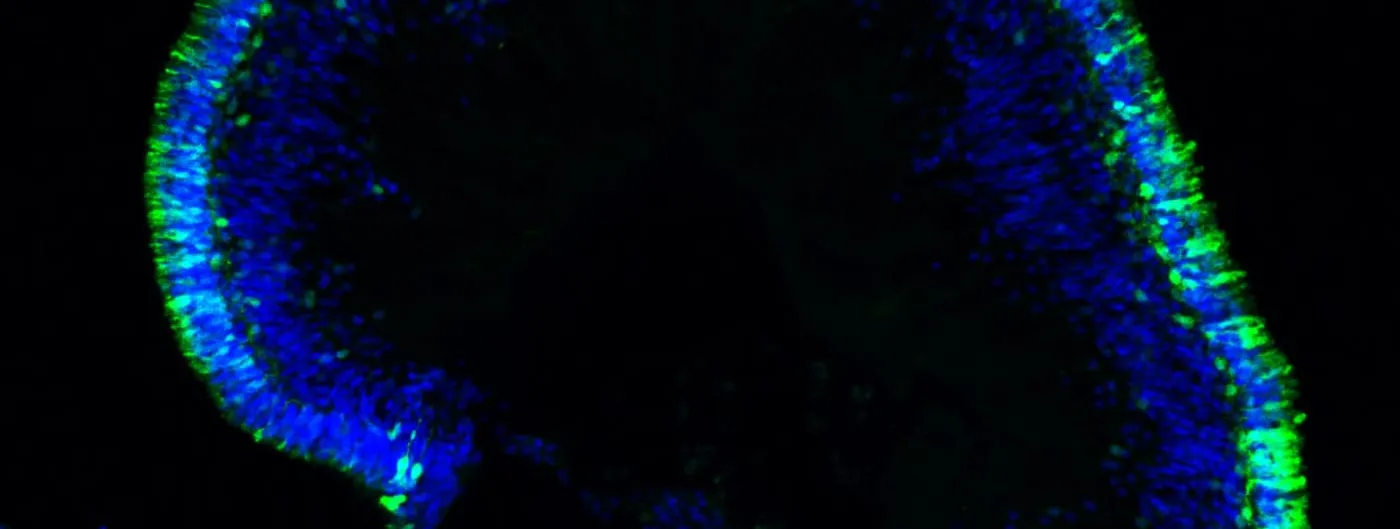
Anand Swaroop, Ph.D., NEI/NIH, via Wikimedia CommonsPublic domain
.jpg)
Opus Genetics reported results on 9 September 2026 from the first, lowest-dose cohort of BIRD-1, its Phase 1/2 trial of OPGx-BEST1. Five patients were dosed: three with Best vitelliform macular dystrophy, followed for three months, and two with autosomal recessive bestrophinopathy, followed for six.
Both diseases come from mutations in BEST1, a gene the retinal pigment epithelium needs to keep the layer of photoreceptors above it working. OPGx-BEST1 delivers a working copy of that gene to those cells in an AAV vector, injected under the retina.
Best-corrected visual acuity improved in three of the five patients, low-luminance acuity and contrast sensitivity in two each. On microperimetry, which maps how sensitive individual points of the retina are to light, three of four evaluable patients showed what the company calls a clinically meaningful improvement. Opus reports no serious adverse events and no dose-limiting toxicities; all treatment-related events were mild or moderate.
The company also came out of a Type C meeting with the FDA having agreed on what a pivotal trial would have to show: a microperimetry improvement of at least 3 decibels, paired with a patient-reported outcome, in a randomised controlled study. Opus says Phase 3 dosing could begin in 2027. These are five patients at the lowest dose, which is what a Phase 1/2 first cohort is for.