A study argues for cochlear implants in younger children
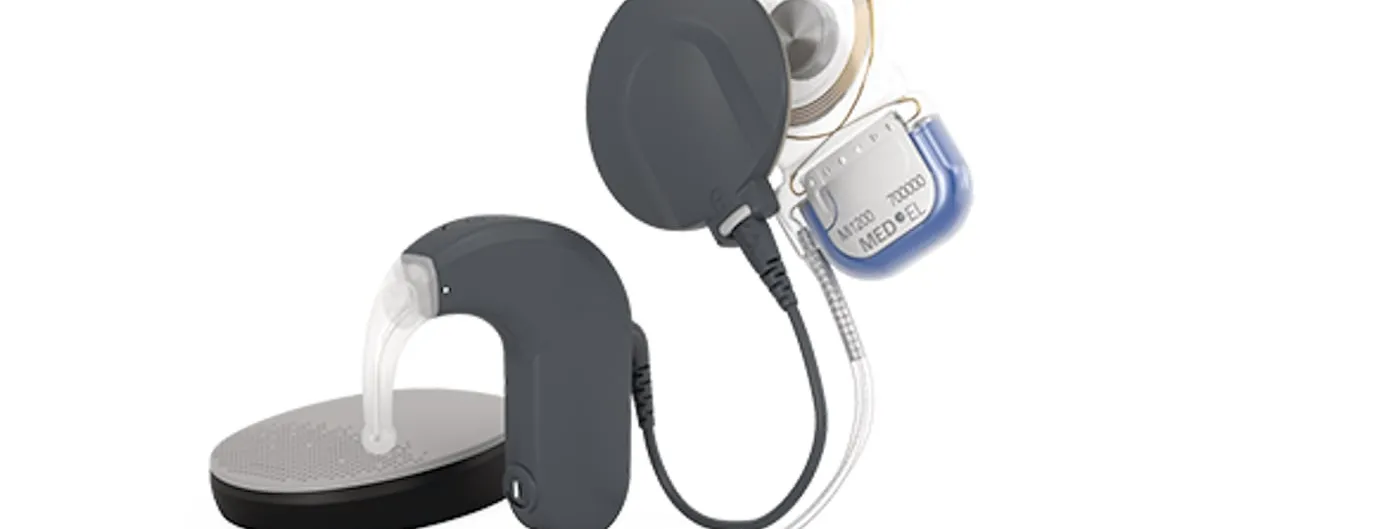
MED-EL / product imageryPress kit
A multicentre study of 237 children implanted with MED-EL cochlear implants reports outcomes that its authors say justify widening who qualifies for one. Led by Nancy Young, it was published online in The Laryngoscope on 19 August 2026 under DOI 10.1002/lary.70840, and covers 28 children followed prospectively alongside 209 retrospective cases.
Of the prospective group, 80.6% met the study’s efficacy goals; among retrospective subjects with twelve months of data, 88% did. On that basis the authors argue for two extensions of current US criteria: implantation from seven months of age in children with profound sensorineural hearing loss, and implantation of children aged twelve to seventy-one months who still have usable residual hearing. Neither group is covered by the FDA’s existing labelling.
Two things bound the claim. The study was conducted in a manufacturer’s implant population, and the manufacturer’s devices are the ones whose indications would widen. And a published argument is not a regulatory change: the FDA’s criteria are unchanged, and evidence of this kind is submitted toward a decision rather than constituting one. What the paper moves is the case for lowering the age at which a deaf child is offered hearing.