An HIV drug reaches a Rett syndrome trial by way of orbit
Alysson Muotri/UC San DiegoPress kit
The ISS National Laboratory reported on 18 August 2026 that brain organoid experiments flown to the International Space Station have led to a clinical trial of lamivudine, an antiretroviral developed for HIV, in patients with Rett syndrome. The trial is described as under way.
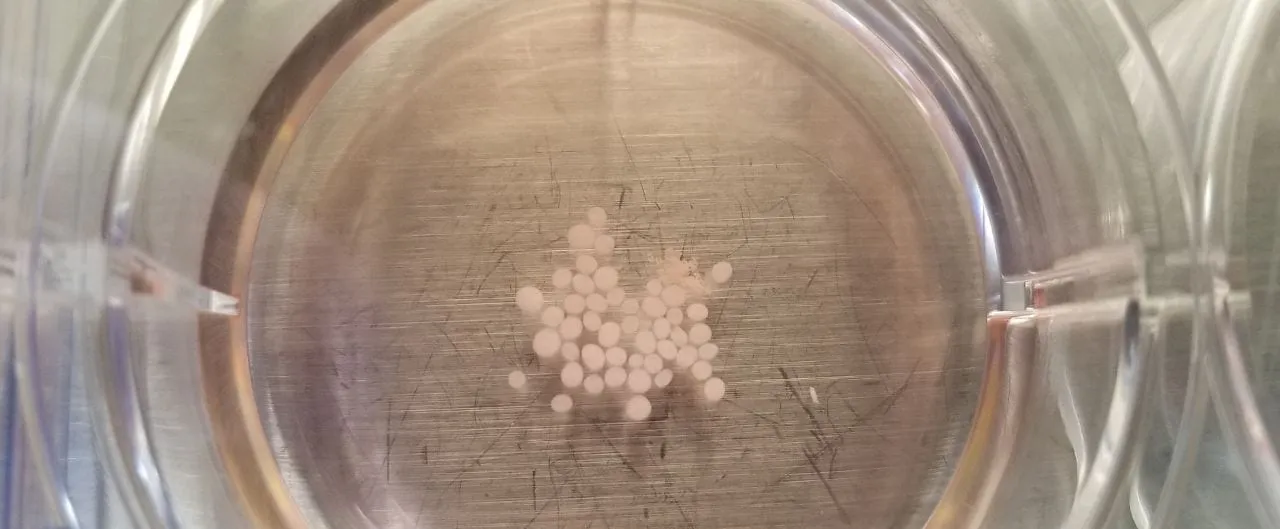
Organoids are millimetre-scale tissue models grown from human stem cells. Sent to microgravity by Alysson Muotri’s team at UC San Diego, they showed molecular changes associated with ageing and neurodegeneration sooner than comparable models on the ground. In the Rett syndrome organoids, dormant genetic elements switched on and triggered inflammation in the brain’s support cells — the observation that pointed at an antiretroviral as a candidate drug.
A second group, from the National Stem Cell Foundation, has flown neural organoids derived from people with Parkinson’s disease and primary progressive multiple sclerosis across six missions and found changes in gene networks associated with neurodegeneration. The lab’s chief scientist notes that similar patterns emerged across different teams, missions, experimental designs and disease models.
Muotri says lamivudine may become the first drug treatment for a neurological condition discovered through space research, if it clears trials. The release does not give the trial’s phase, sponsor, enrolment or registry identifier, and cites no peer-reviewed paper for the organoid findings.