Korea commits 2.3 trillion won to a domestic humanoid stack
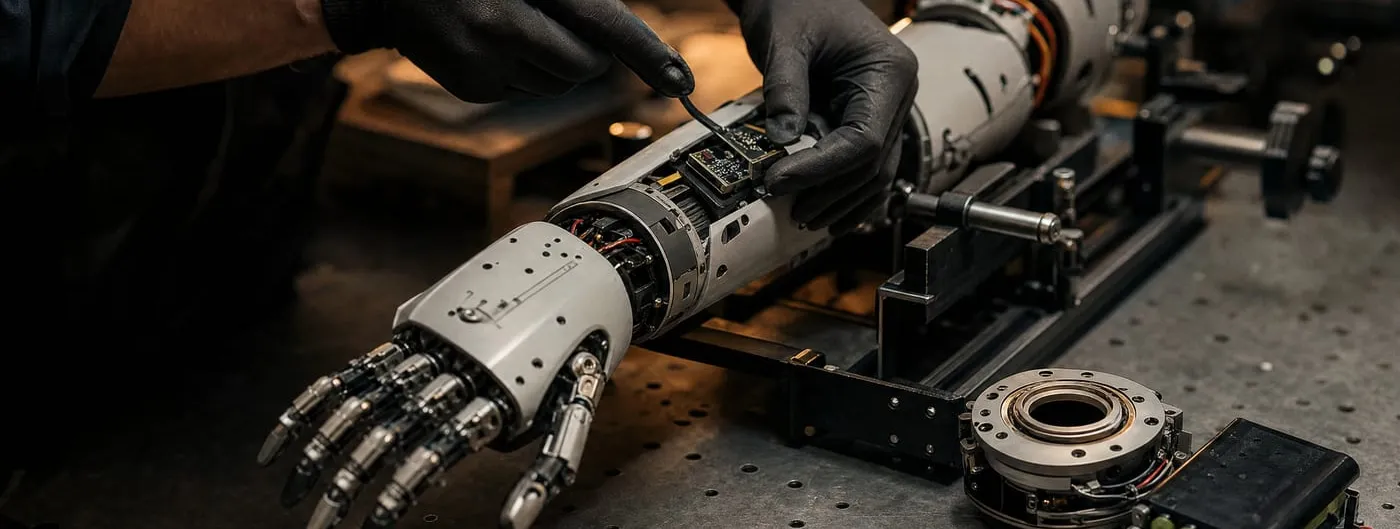
AI-generated illustrationAI-generated illustration
South Korea’s budget ministry set out a plan on 27 August 2026 to spend 2.3 trillion won ($1.66 billion) through 2030 on domestic humanoid robot development, starting with 600 billion won in the 2027 budget. With private matching the figure reaches 2.7 trillion won.
The stated target is supply-chain control rather than a demonstration robot. The plan backs actuators, robotic hands, sensors, high-performance AI chips and batteries, aiming to raise the domestic share of key components from about 45 percent today to 80 percent, and names the risk it is meant to avoid: Korean industry becoming an assembly base for foreign robot platforms. A homegrown operating system linking a robot’s control software to its body is due by 2031, completing what the ministry calls the full stack.
Procurement is part of the instrument. The government intends to buy 250 domestically built humanoids in 2027 and 1,080 by 2030, placing them in universities and state-funded research institutes — roughly 5,000 robots in total once non-humanoid models are counted. The measure was among four items finalised at the second Fiscal Management Strategy Council meeting, filed alongside a programme to demonstrate physical AI in eight priority areas.