American Airlines bars humanoid robots, completing the big four
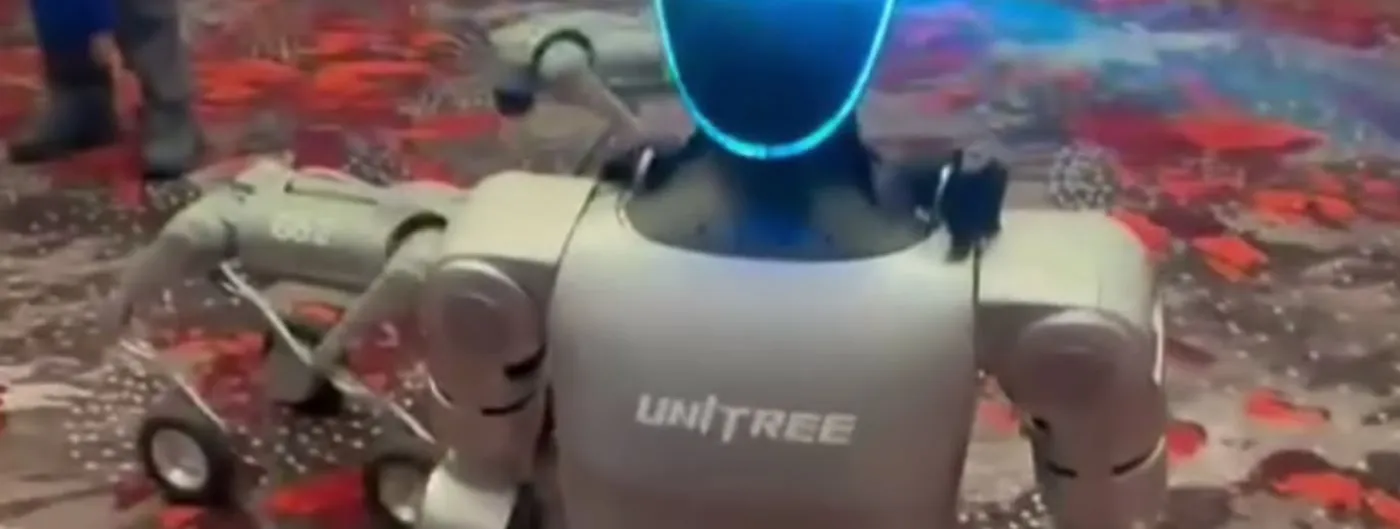

American Airlines began enforcing a ban on humanoid robots on 17 August 2026, announced three days earlier. With it, all four of the largest United States carriers now refuse to carry them.
The policy covers human-like robots, animal-like robots and robotic pets, and it applies to the cabin and to checked baggage alike — there is no compartment in which the machine becomes acceptable. American defines a human-like robot as one designed, in its wording, to resemble or imitate a human in appearance, movement or behaviour.
Southwest moved first, in May 2026, after a passenger boarded with a robot companion. Delta followed in June and United on 23 July. The carriers give the same reason: the lithium-ion batteries these machines carry are large, and a battery of that size is a fire risk in a pressurised cabin. American said it had no incident of its own to point to and described the change as precautionary.
What has been settled here is not a question about robots as machines but about robots as belongings. A class of object that barely existed as personal property a few years ago has now been classified by the airline industry, and the classification is a prohibition.