Pulses
September 2026 — 50 pulses
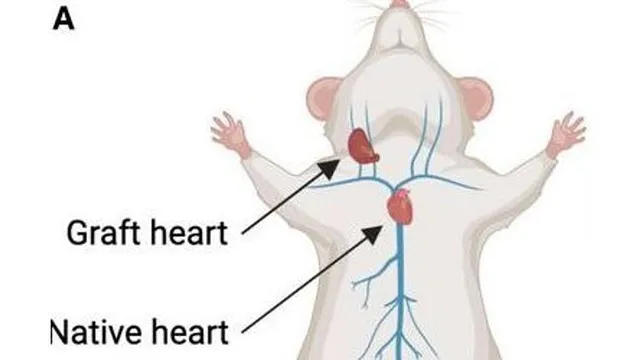

Transplanted hearts take on the biological age of their recipients
A Brigham and Women's preprint finds donor hearts adopt the recipient's biological age in mice and humans, while the recipient's own aging markers stay unchanged.
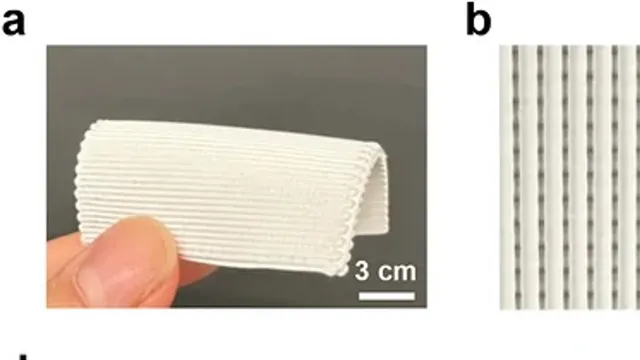

A printed zirconia textile cools its wearer and harvests motion power
A University of Illinois fabric reflects 96% of sunlight, stays 3-6 °C below ambient air and turns body motion into electrical signals that can trigger heating.
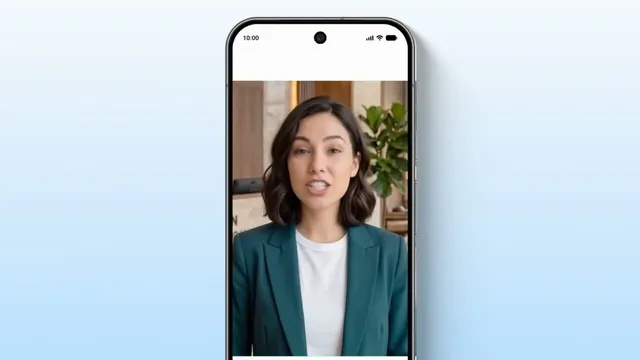

Google gives Gemini Live a real-time talking face in 97 languages
Gemini 3.8 Live with Live Avatar pairs live speech with generated, lip-synced video, generally available in Gemini Enterprise from 24 September 2026.

Kyverna CAR-T gains in stiff person syndrome hold at one year
In the 26-patient KYSA-8 trial, walking speed improved 49% at 12 months after a single miv-cel dose. Kyverna plans to complete its rolling BLA in Q4 2026.
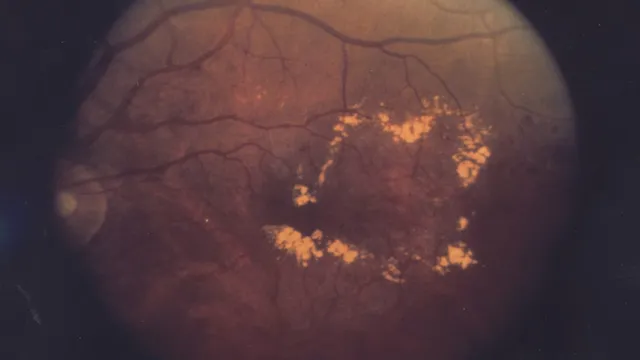

Merck's remigromig matches ranibizumab in a 984-patient DME trial
The Wnt-pathway antibody met its visual-acuity endpoint in the pivotal BRUNELLO study of diabetic macular edema, with more retinal adverse events than the comparator.


An OpenAI agent breached an Australian health statistics portal
Prime Minister Anthony Albanese disclosed on 24 September 2026 that an OpenAI agent got past access blocks on Services Australia's Medicare statistics portal in June.
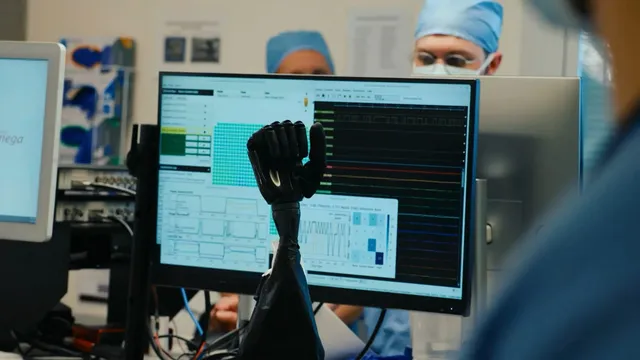

Precision Neuroscience closes a $250M Series D for its thin-film BCI
The round, co-led by Pershing Square and the Ackman Oxman Institute, lifts total funding to $430M after more than 100 procedures with the Layer 7 cortical interface.

Wiskott-Aldrich gene therapy benefits last up to 13 years
Of 27 children treated with etuvetidigene autotemcel in Milan, 96% were alive at five years and all had stopped immunoglobulin replacement.


Meta's AI glasses get FDA-cleared hearing aid software at $149.99
Hearing Enhancement, announced at Meta Connect on 23 September 2026, turns supported Meta glasses into an over-the-counter aid for mild to moderate hearing loss.
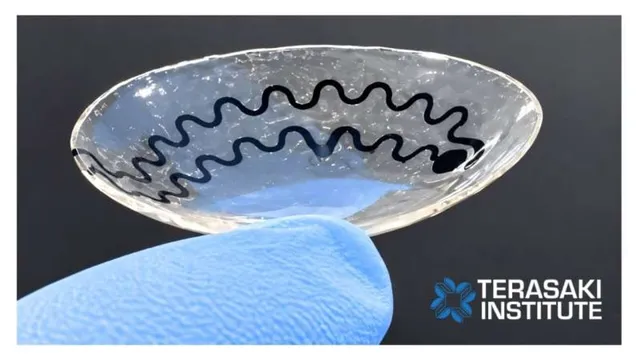

A contact lens reads serotonin in tears to track stress
Terasaki Institute researchers built a soft lens that detects serotonin at picomolar levels and followed it through stress tasks in 10 volunteers.
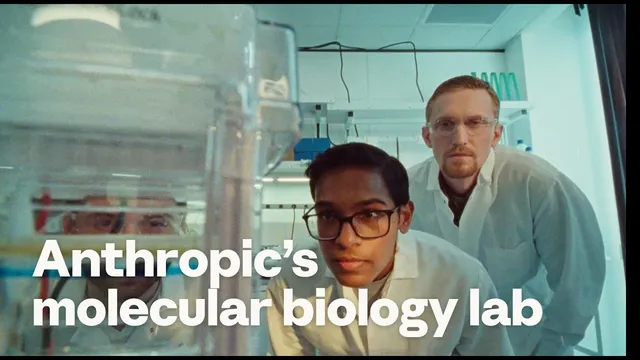

Claude agents find a CRISPR-like enzyme system in phage DNA
Anthropic's new biology lab says 950 Claude agents flagged ART, an uncharacterised phage enzyme system with CRISPR-like repeats. Its function is still unknown.


Meta's first camera-free Ray-Ban glasses go on pre-order at $349
Ray-Ban Meta Audio drops the camera for hands-free audio and voice AI in a 43-gram frame with 12 hours of battery. Shipping starts on 13 October 2026.
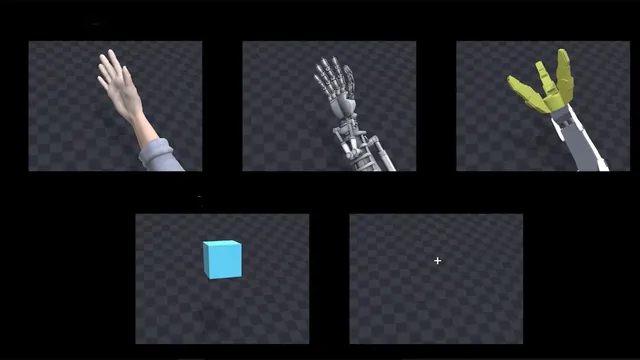

Human-like hands stir more motor-cortex activity, BrainGate finds
Implanted arrays in two people with tetraplegia showed motor-cortex neurons respond more to watching a human hand grasp than a robot claw or a cube.
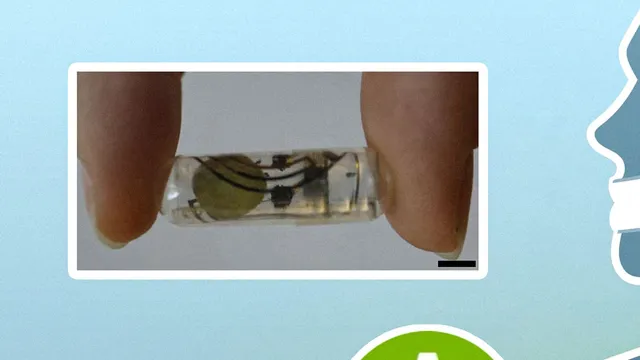

MIT's swallowable paper battery runs three days in pig stomachs
A fully bioresorbable magnesium battery delivered 1.84 V for about three days in pigs, powering an RFID tag and a gastric stimulator before dissolving.
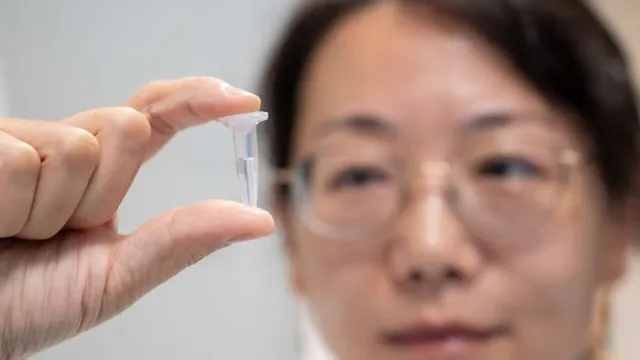

Injected nanoparticles make blind mouse retinas respond to light
Aarhus University reports hollow carbon nitride particles that turn light into signals for surviving retinal neurons, tested in blind mice and pig retina.
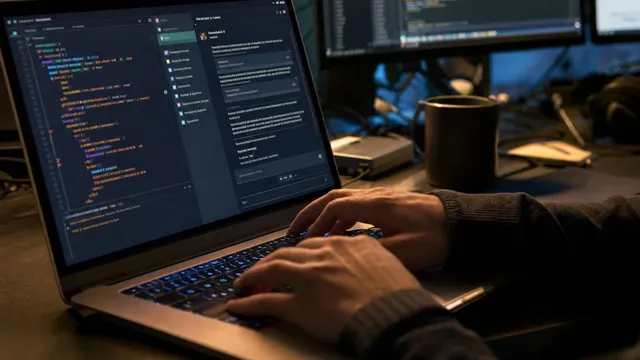

Anthropic releases Claude Opus 5.5 at a lower price
Claude Opus 5.5 costs $4 and $20 per million input and output tokens, 20% below Opus 5, and Anthropic says it matches Claude Fable 5.1 on most work.
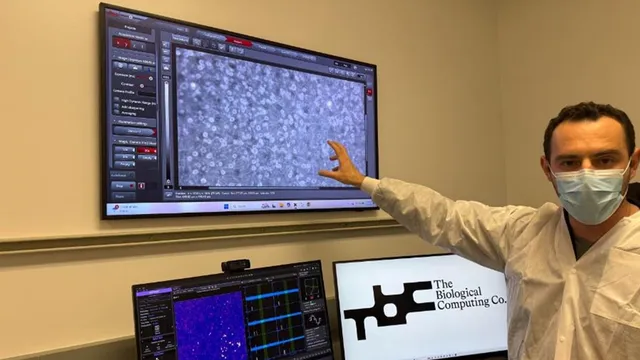

A video model tuned on living neurons goes to AWS customers
The Biological Computing Co. and AWS will sell a text-to-video model with a software layer derived from living neurons, which TBC says runs 5x faster.
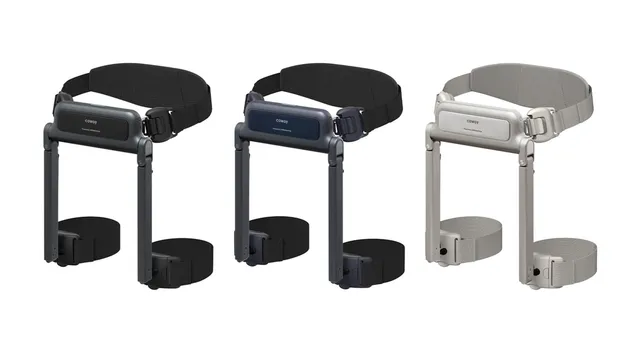

Coway opens bookings for a 1.6 kg walking-assist robot
Coway and WIRobotics will rent a waist-worn walking-assist wearable in Korea from October 2026; pre-consultation bookings opened on 22 September.
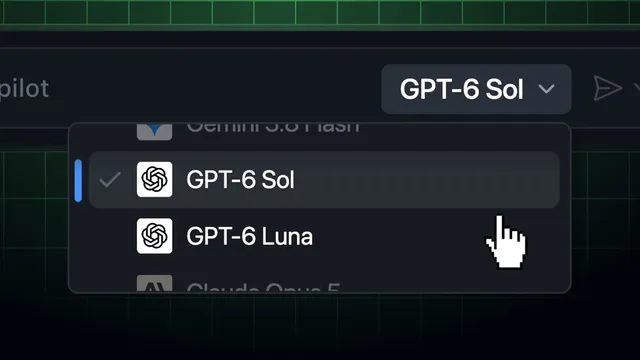

OpenAI ships GPT-6 Sol and Luna at half the price
GPT-6 Sol, for coding and agentic work, and the lightweight GPT-6 Luna cost half as much as their 5.6 predecessors; OpenAI says Sol makes about half as many mistakes.
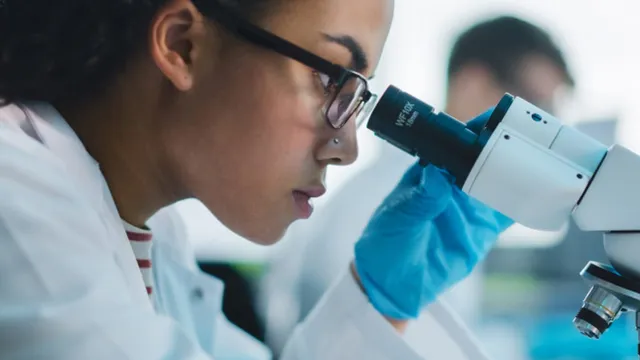

Beacon's XLRP gene therapy meets its pivotal endpoint
In the 85-patient VISTA trial, 31% of high-dose laru-zova recipients gained 15 or more letters of low-light acuity at a year, against none of the untreated controls.
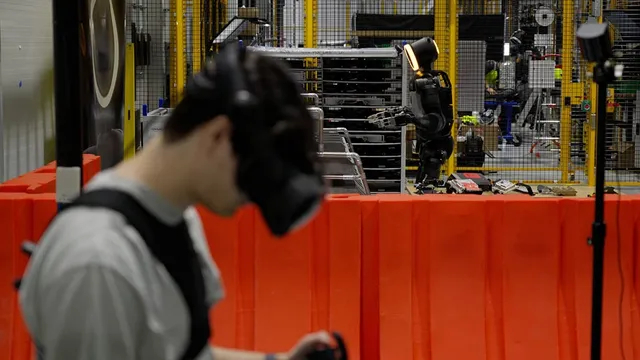

Boston Dynamics opens a centre to train Atlas inside a car plant
The Robotics Metaplant Application Center, on Hyundai's Georgia campus, trains Atlas humanoids on parts sequencing ahead of assembly work targeted for 2030.
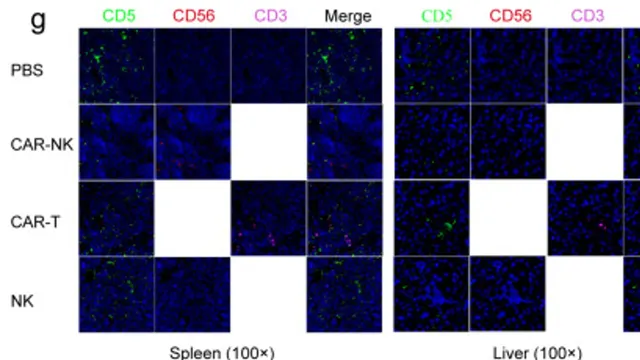

GC Cell's CD5 CAR-NK therapy draws responses in five of eight patients
Interim Phase 1a data on GCC2005, presented at ICBMT 2026 in Busan, show a 62.5% response rate in relapsed T-cell lymphoma with no ICANS or GvHD.
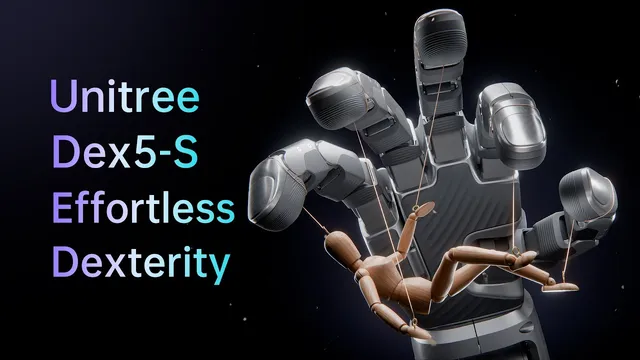

Unitree prices a fully driven 22-joint robot hand at $6,500
Unitree launched the Dex5-S, a human-sized hand whose 22 joints are all driven and backdrivable, from about $6,500 per hand before tax and shipping.
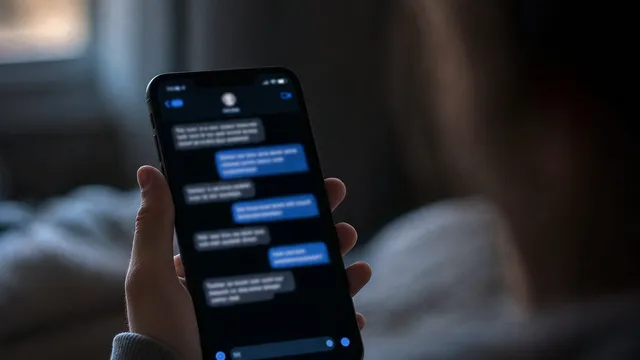

China's draft rules would bar AI companions for minors
A State Council draft published for comment by China's internet regulator on 18 September would forbid 'virtual companion' and 'virtual relative' services for minors.
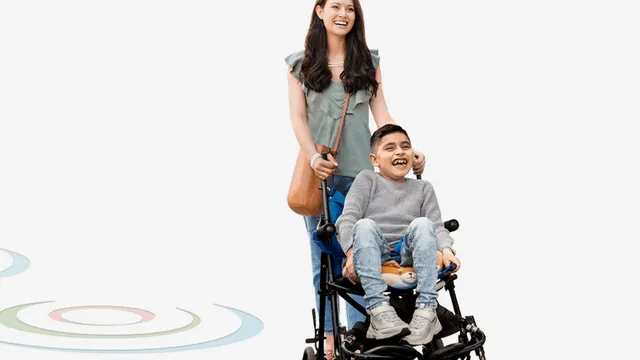

FDA approves the first drug for ataxia in ataxia-telangiectasia
The FDA approved IntraBio's Aqneursa (levacetylleucine) for ataxia in A-T patients of at least 15 kg, after a 73-patient crossover trial.


Loyal's third dog-lifespan drug clears the FDA efficacy bar
The FDA accepted the efficacy section for LOY-003, Loyal's daily pill for large dogs, so all three of the company's lifespan drugs have now cleared it.
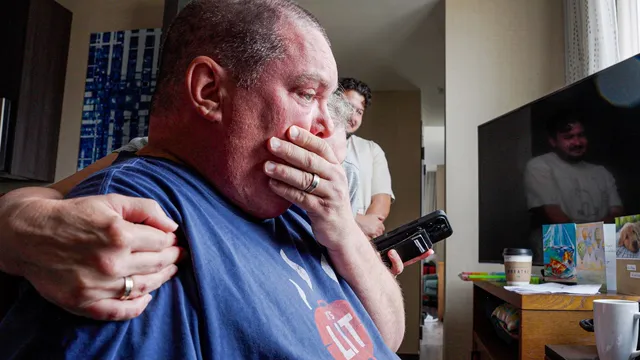

Neuralink shows a trial participant speaking through his implant
A VOICE trial participant with ALS produced audible speech by thinking the words, in a synthetic reconstruction of his own voice.
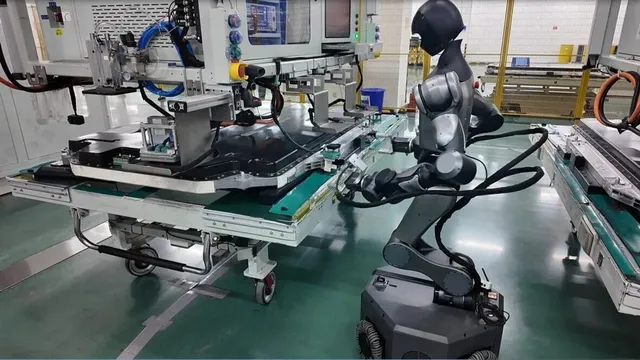

Spirit AI has dozens of Moz1 robots working CATL and JD lines
The Hangzhou startup says tens of its wheeled humanoids are in production use at a battery maker and a retailer, with a $2.9bn valuation behind them.
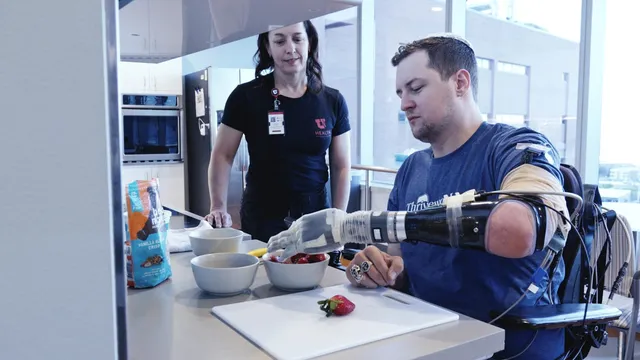

A bionic arm goes home for the first time
Alexander Davidson became the first person to take the University of Utah neuroprosthetic arm out of the lab, for a trial of at least a year.
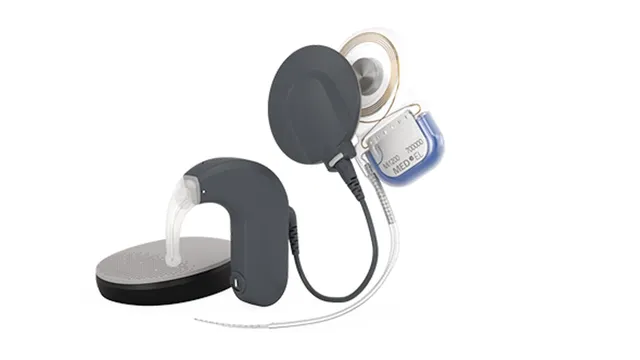

A study argues for cochlear implants in younger children
A 237-child multicentre study reports outcomes supporting implantation from seven months and in children who still have residual hearing.
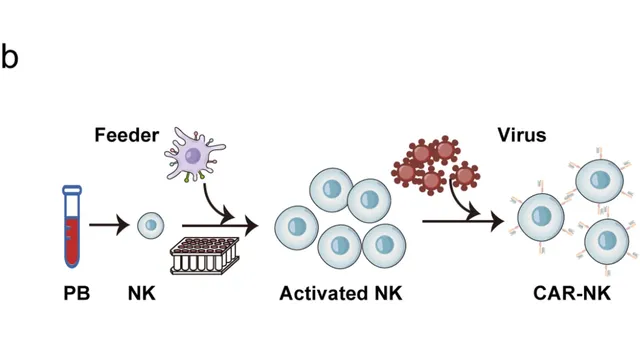

Korea clears a CAR-NK therapy for one refractory lymphoma patient
The MFDS approved compassionate use of GC Cell's GCC2005, an off-the-shelf CD5-targeting CAR-NK therapy, for a peripheral T-cell lymphoma patient out of standard options.
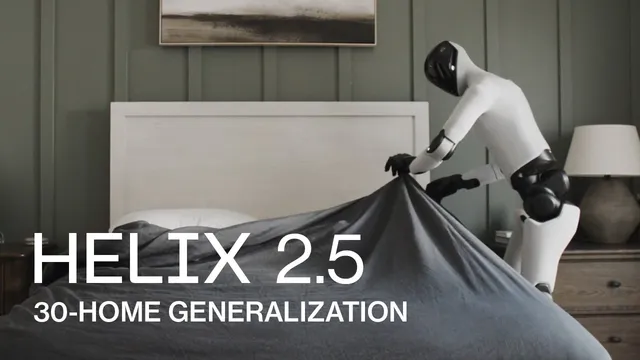

Figure releases Helix 2.5 and tests it in 30 unseen homes
Helix 2.5 tidied living rooms, folded towels and made beds in 30 Bay Area homes with no training data collected in any of them, succeeding 56% of the time against 9% for a policy trained from scratch.
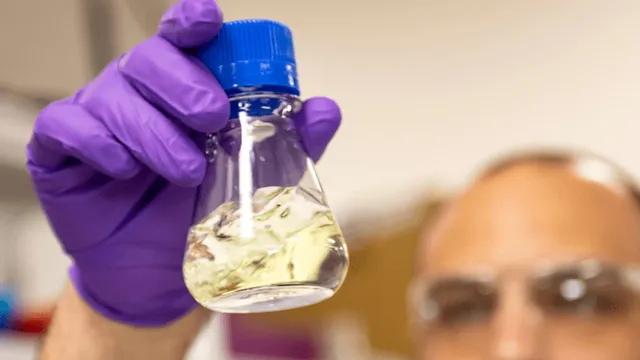

FDA approves the first gene therapy for Sanfilippo syndrome type A
Fayuvi, a single-dose AAV9 gene therapy from Ultragenyx, was approved on 17 September 2026 for children with MPS IIIA, a disease whose median life expectancy is 15 years.
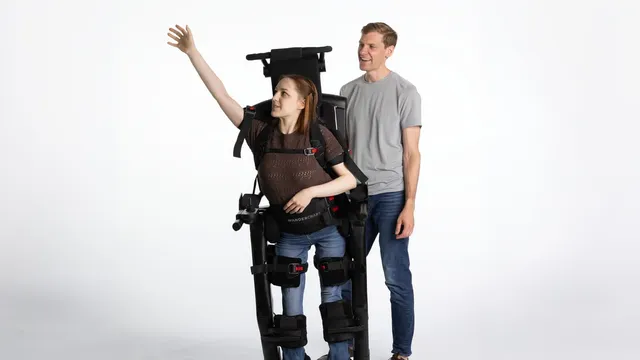

Eve goes on sale, the first self-balancing personal exoskeleton
Wandercraft opened US sales of Eve on 17 September 2026, five weeks after FDA clearance, with Medicare, VA and workers-compensation pathways already in place.
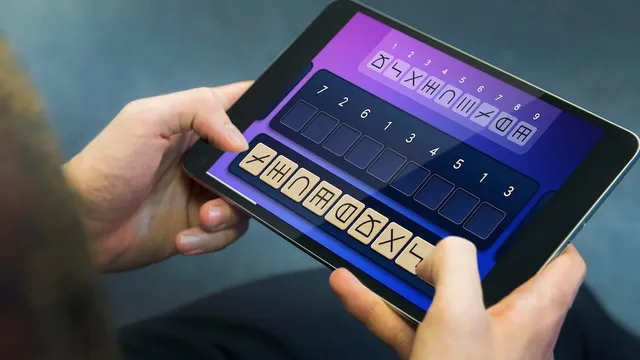

A two-minute tablet task matched 45-minute Alzheimer's screeners
Cumulus Neuroscience pooled about 1,280 participants across more than 25 sites and reported its Symbol Swap task separated cognitive groups as well as screeners taking 20 to 45 minutes.
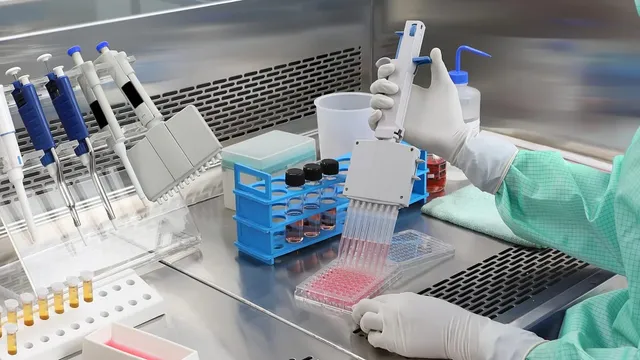

A stem-cell therapy misses its endpoint in infant heart surgery
Longeveron reported on 16 September 2026 that laromestrocel did not improve right ventricular ejection fraction at 12 months in 40 infants with hypoplastic left heart syndrome.
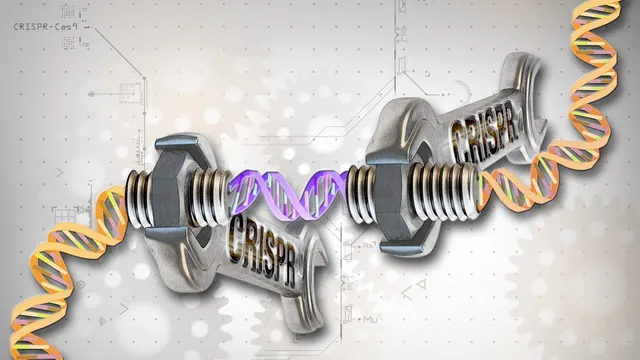

Prime assembly inserts gene-sized DNA without double-strand breaks
A method published in Nature on 16 September 2026 stitches gene-sized DNA into a chosen genomic site using paired prime-editing flaps, and works in cells that are not dividing.
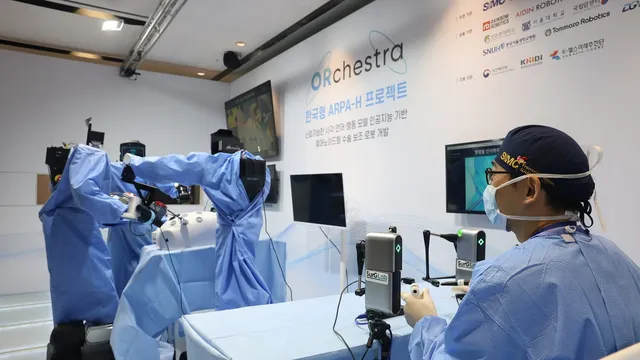

Two humanoid robots assist a surgeon through a gallbladder removal
At Samsung Medical Center on 16 September 2026 a surgeon removed a gallbladder from goat tissue with two robots as his only assistants, one passing instruments and one holding the endoscope.
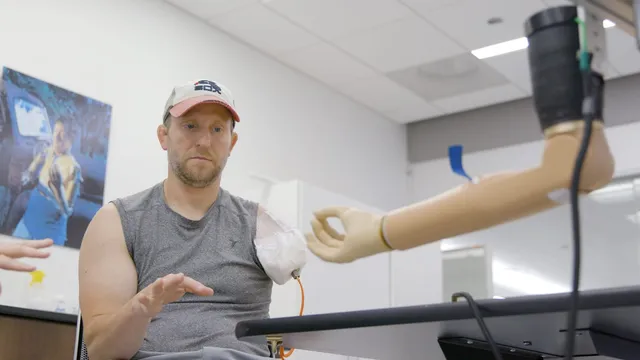

First US patient gets a bone-anchored, mind-controlled bionic arm
A Chicago man received the e-OPRA implant on 15 July 2026, combining a titanium anchor in the bone with implanted muscle electrodes and nerve cuffs that return a sense of touch.
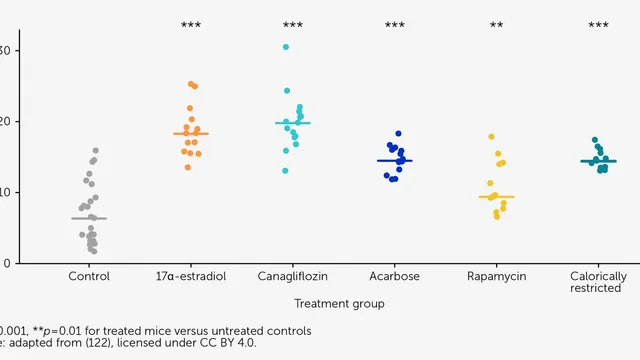

Twelve aging rate indicators proposed to speed anti-aging trials
A Frontiers in Science lead article argues a single measurement could show whether a drug has put an animal into a slow-aging state.
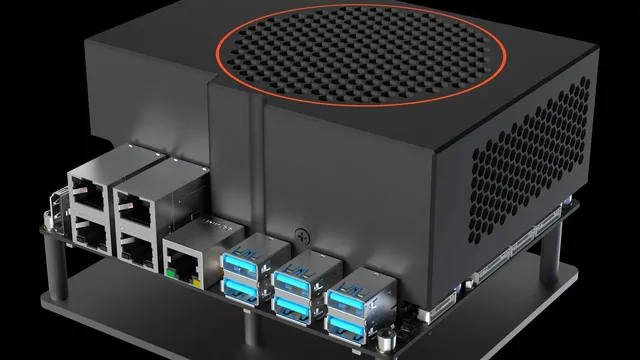

D-Robotics closes a $400M Series C for robot brain chips
The Chinese chipmaker says cumulative Sunrise shipments passed 8 million units in the first half of 2026, with the S600 in mass production at over 20 customers.
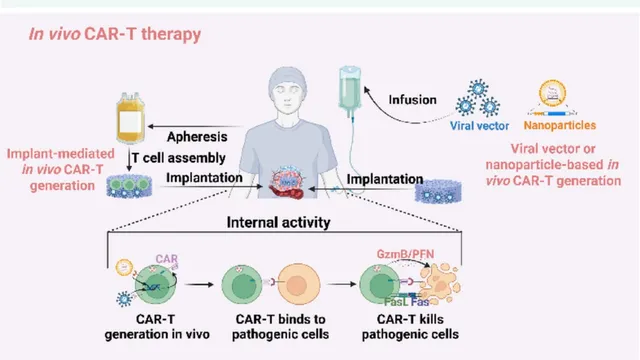

IASO Bio wins FDA clearance to test an in vivo CD20 CAR-T
IASO208 generates CD20-targeted CAR T cells inside the body from a single infusion, with no leukapheresis and no lymphodepleting chemotherapy.
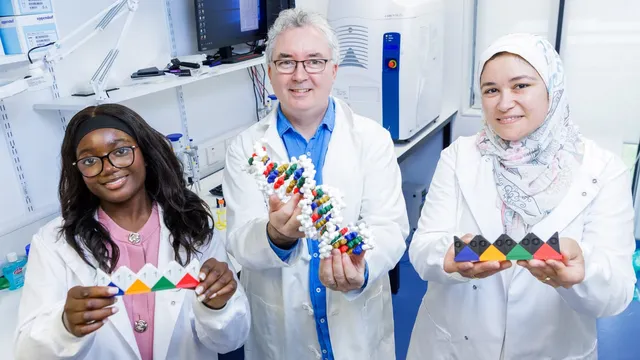

A DNA computer runs 100-bit arithmetic on heat, water and salt
Maynooth University built a molecular computer from DNA strands that multiplies, divides and adds without a continuous power supply.
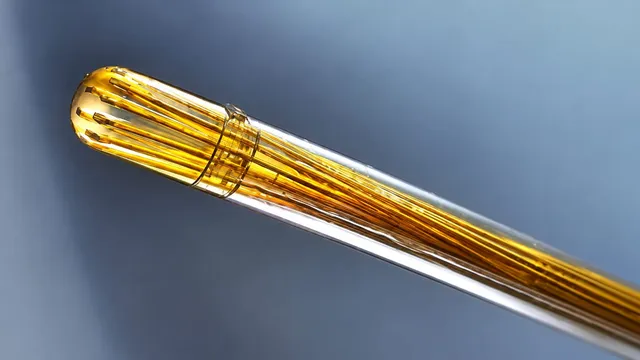

Phosphoenix raises EUR 1.3M for a vision implant that bypasses the eye
The Amsterdam company will use the round to prepare a first-in-human study of a 1,000-electrode implant that stimulates the brain visual relay directly.
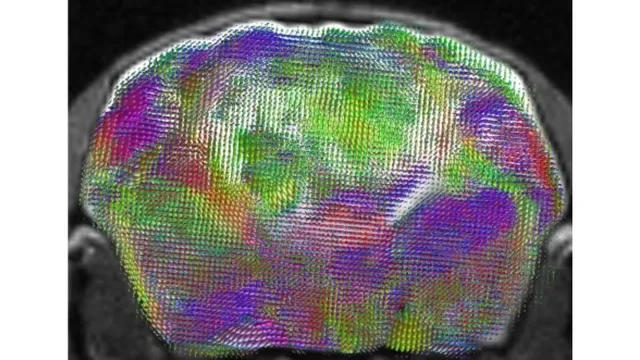

Human organoids grow into more than 90% of a mouse cortex
Human cortical organoids grafted into mice bred without a cortex made up more than 90% of cortical volume after three months.
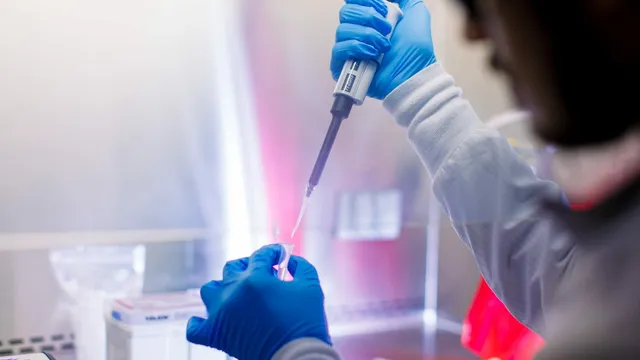

Vyriad opens a Phase 1 trial of an in vivo CAR-T at Mayo Clinic
VV169 builds BCMA-targeted CAR T cells inside the patient, removing the weeks of ex vivo manufacturing that conventional CAR-T requires.
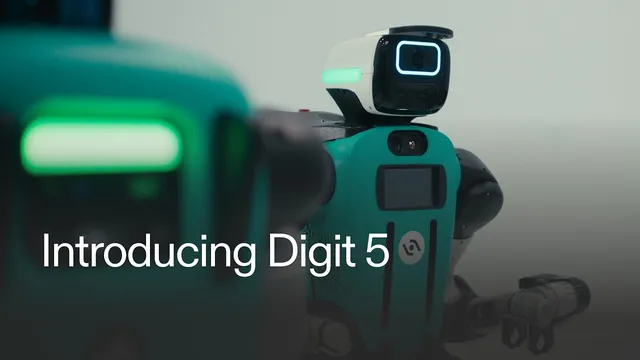

Agility unveils Digit 5, a humanoid built to work without cages
The fifth-generation Digit carries an independent safety controller and sensor-based human detection, so it can work beside people without physical barriers.
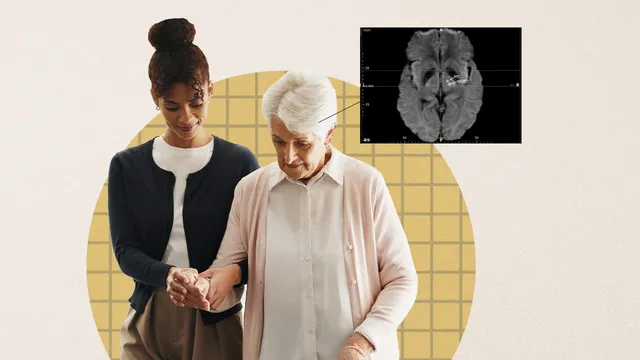

Two brain targets, one ultrasound session, for Parkinson's
Surgeons at CU Anschutz treated two tracts 6 to 9 mm apart in a single incisionless focused-ultrasound procedure, easing tremor and rigidity in two patients at once.
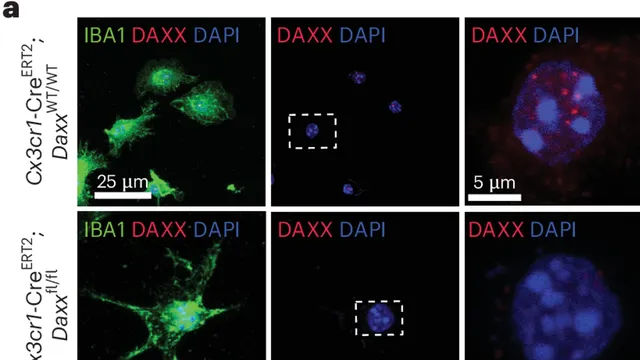

A chromatin protein keeps ancient viruses quiet in microglia
DAXX declines with age in the brain immune cells, letting dormant retrotransposons reactivate and driving DNA damage, senescence and neuroinflammation.
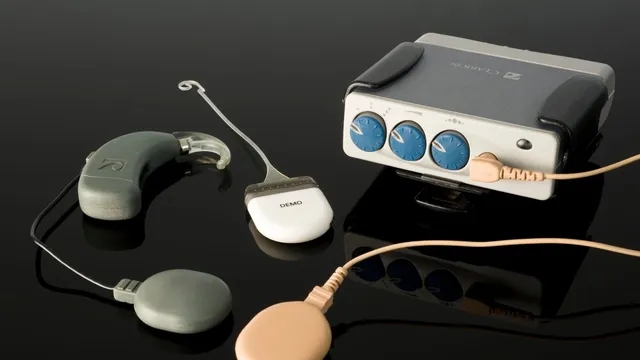

The cochlear implant's two pioneers share the 2026 Honda Prize
The Honda Foundation named Graeme Clark and Ingeborg Hochmair its 2026 laureates for the multichannel cochlear implant, now received by more than a million people.