Pulses
September 2026 — 50 pulses
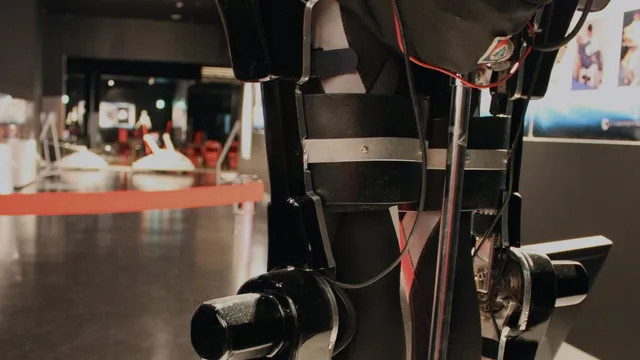

Japan enters the HAL-3 exoskeleton into its technology heritage
Japan's National Museum of Nature and Science registered the 2001 HAL-3 powered suit among 13 new Important Science and Technology Historical Materials.
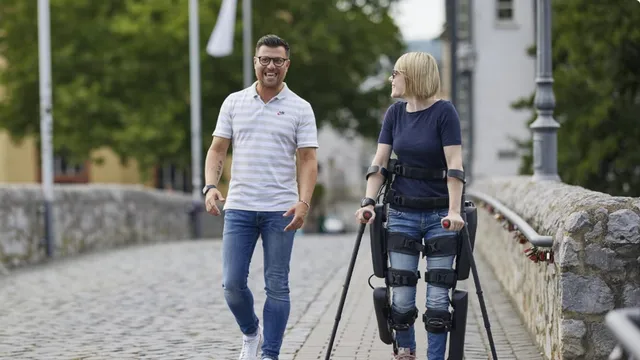

A home exoskeleton study looks past walking to daily tasks
Twelve people with chronic spinal cord injury used a ReWalk exoskeleton at home; all twelve completed kitchen tasks standing, and most reported less pain than in a wheelchair.
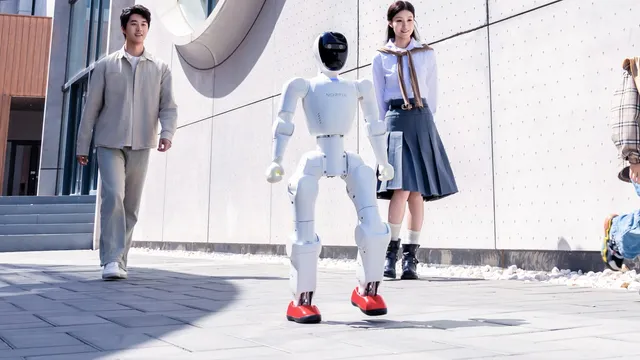

Noetix gives its robots a memory and a way to learn from error
Scalabot, the embodied-intelligence brand of Beijing humanoid maker Noetix Robotics, released HERON-CRA a week after its world model.
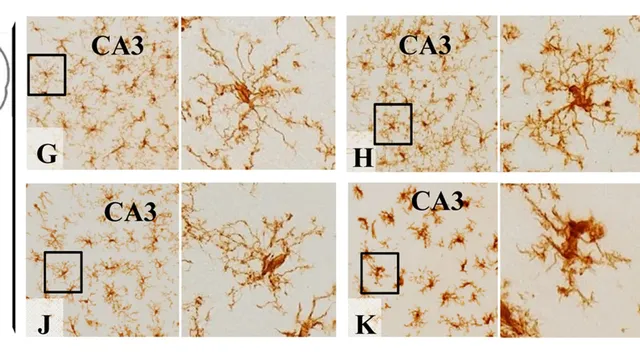

The human hippocampus remodels itself between 50 and 75
A Science study finds embryonic microglia giving way to blood-derived immune cells, blood-brain-barrier populations thinning, and 3D genome architecture eroding in midlife.
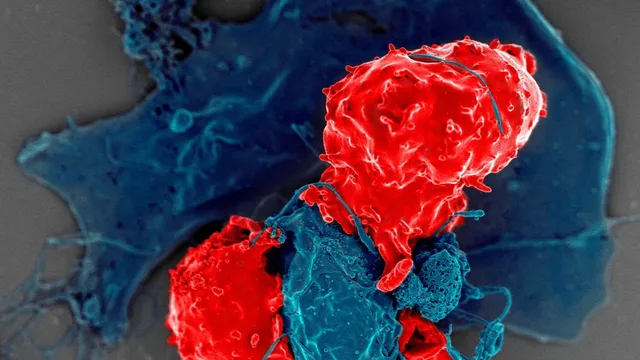

RegCell raises $66M to reprogram T cells into Tregs
A $44M Series A led by Playground Global and a second AMED grant fund a platform that converts pathogenic T cells into antigen-specific regulatory T cells.
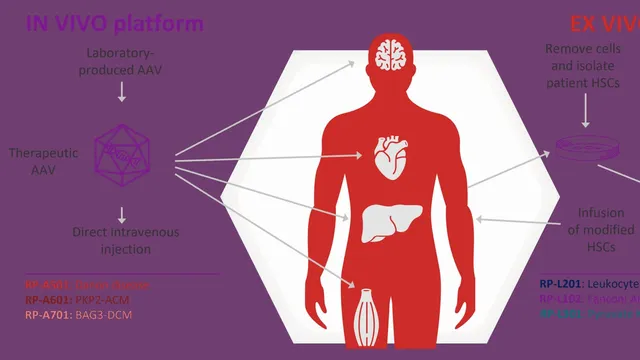

FDA and Rocket agree on a path to finish the Danon trial
The pivotal Phase 2 of RP-A501 continues at a recalibrated dose with a 12-patient population and 12-month co-primary endpoints aimed at accelerated approval.
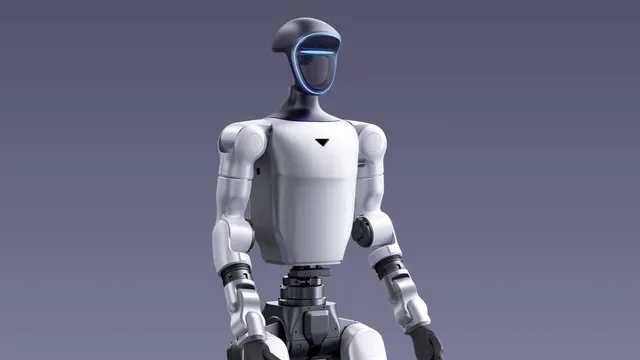

Unitree launches the G1+ humanoid at RMB 95,000
The refreshed G1 adds a two-axis neck, shoulder and waist motors with about 110% more peak torque, 3D lidar and a six-microphone far-field array.
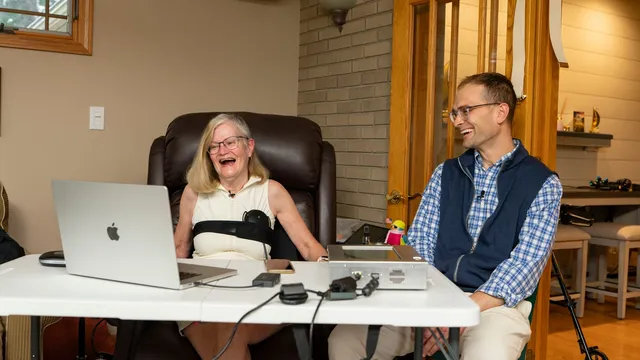

Paradromics' first participant speaks her own words in real time
The Michigan woman implanted with Connexus in June answered open-ended questions and called her grandchildren, moving the Connect-One study past scripted copy tasks.
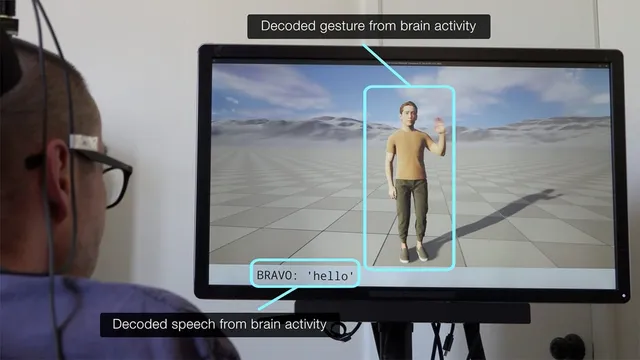

A brain implant decodes speech and gesture at the same time
Three participants with severe paralysis received ECoG arrays at UCSF; two drove a virtual avatar that spoke and gestured together, reported in Nature Neuroscience.
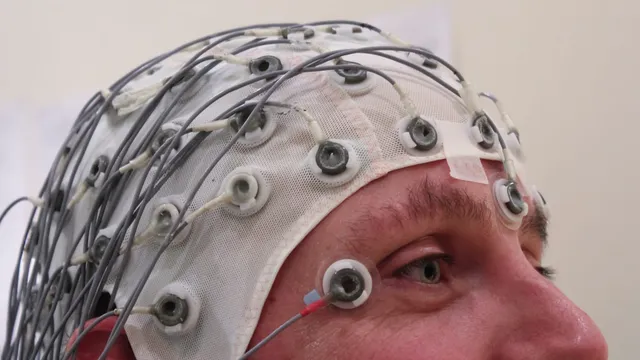

A security paper maps five ways to attack an EEG headset
A preprint sets out a taxonomy of attacks on the brain-computer interface stack, with 17 demonstrated neuro-specific attack instances and an open evaluation framework.
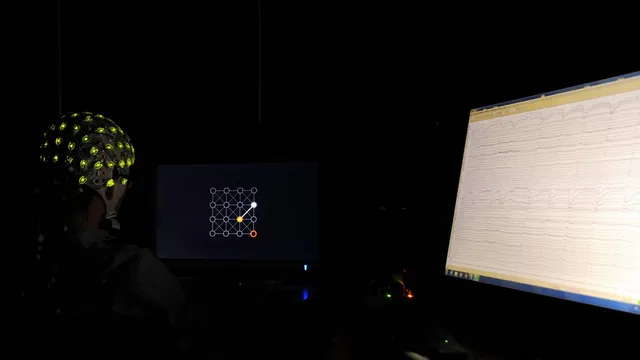

China sets a standard for the EEG data that trains BCI devices
The NMPA released a medical-device industry standard on 14 September governing how EEG datasets used by AI algorithms are collected, labelled and stored. It takes effect on 1 September 2027.
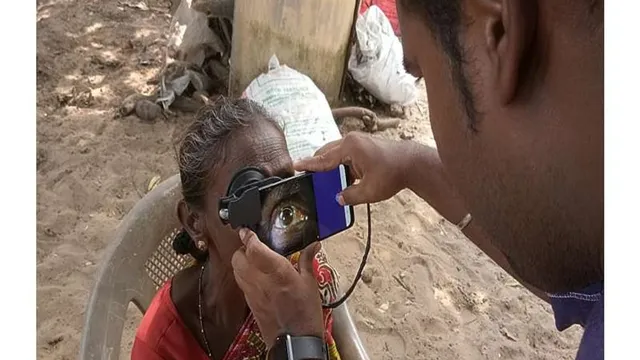

A phone attachment screened 1,093 rural eyes for cataract
Community health workers with three hours of training used a sub-£150 smartphone scope at 19 Tamil Nadu eye camps; their remote referral decisions matched in-person exams 96% of the time.
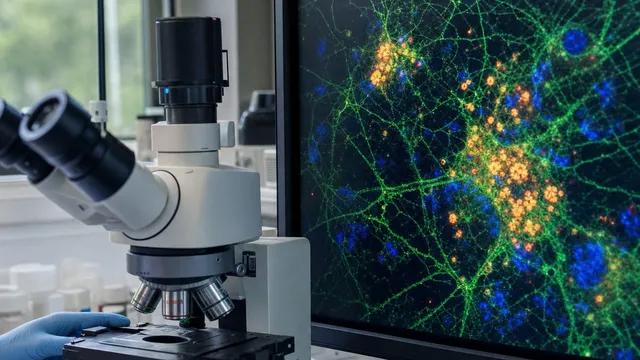

A sulfur switch decides when ageing brain proteins clump
Oxidation pushes synapsin 1 and G3BP2 into condensates as mice age, while hydrogen-sulfide persulfidation keeps them fluid — and ergothioneine reversed the effect in cells.
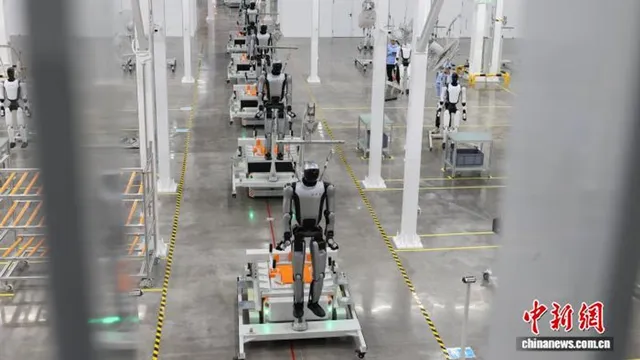

UBTech commissions a 10,000-unit humanoid plant in Liuzhou
The super smart factory opened in Guangxi on 12 September with a planned annual capacity above 10,000 industrial humanoids and a designed takt of one robot every ten minutes.
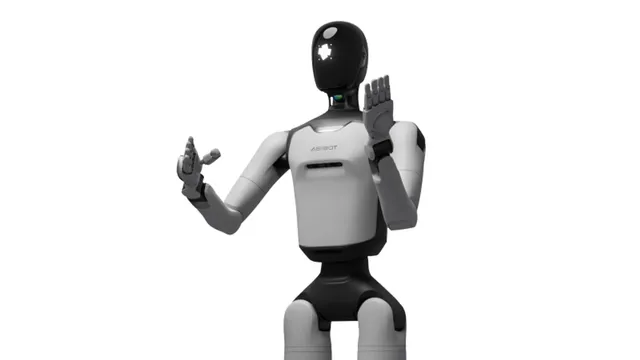

AGIBOT says its A3 Ultra cleared TÜV Rheinland certification
The Chinese humanoid maker announced RED DA, RED NB and Safety AK marks for its A3 Ultra at the close of IFA 2026, along with a European distribution partner.
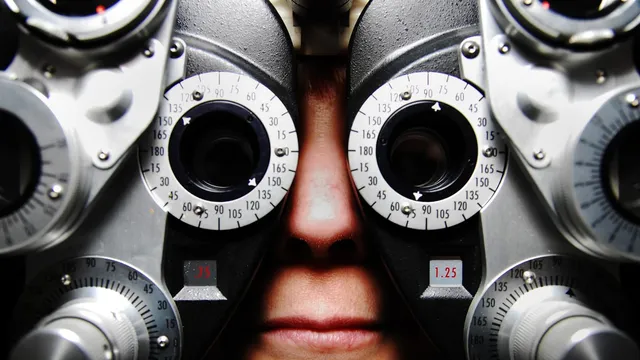

A phoropter test predicted who could adapt to blended vision
A defocus test on standard eye-testing equipment flagged the 1.66% of 1,341 patients who could not tolerate laser blended vision, presented at ESCRS on 13 September 2026.
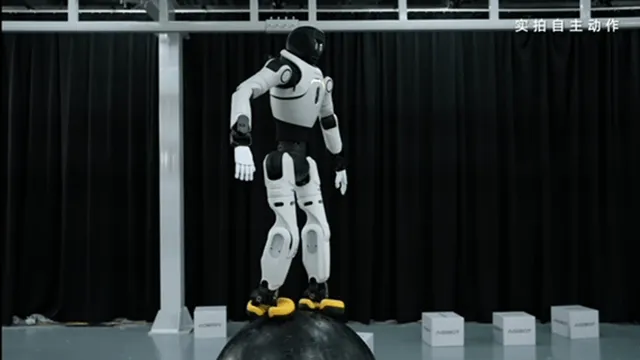

AgiBot puts perception and balance in one model
AgiBot released AGILE 2.0 on 11 September 2026, a combined vision and whole-body control model shown balancing its Lingxi X2 humanoid on a rolling ball.
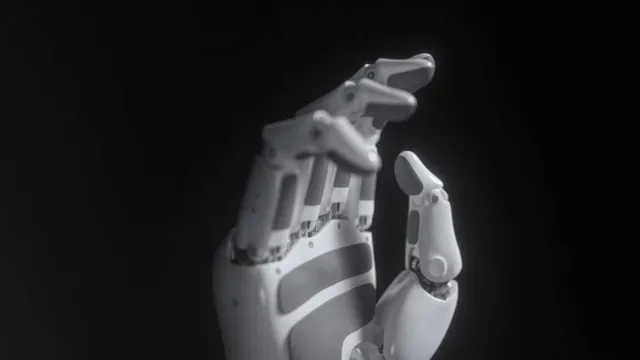

A humanoid covered in 18,000 touch points raises 500M yuan
Kinetix AI, founded a year ago by former Huawei autonomous-driving engineers, closed an angel-plus round of over 500 million yuan led by Vertex Ventures.
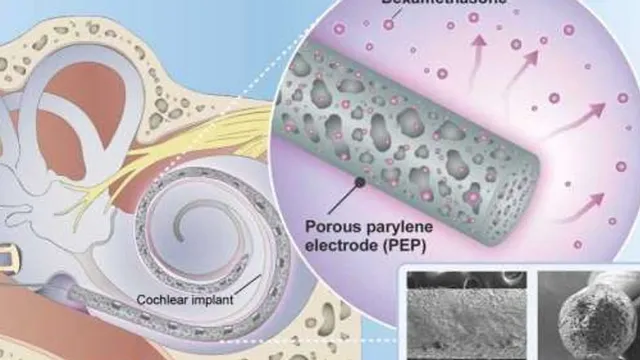

A cochlear electrode that releases its own anti-inflammatory
National Taiwan University reported a porous cochlear implant electrode that elutes dexamethasone, lowering inflammation and preserving hearing thresholds in preclinical tests.
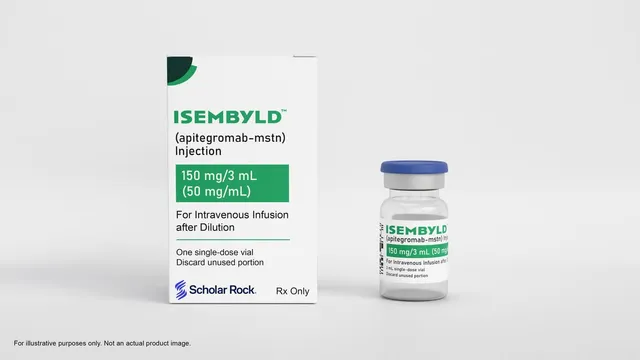

FDA approves the first muscle-targeted therapy for SMA
The FDA approved Scholar Rock's ISEMBYLD on 11 September 2026 for patients with spinal muscular atrophy aged two and older already taking an SMN-targeted drug.


Korea rewrites how digital therapeutics must prove they work
South Korea's drug regulator issued a revised guideline on 10 September 2026 for writing clinical trial protocols for digital therapeutic devices.
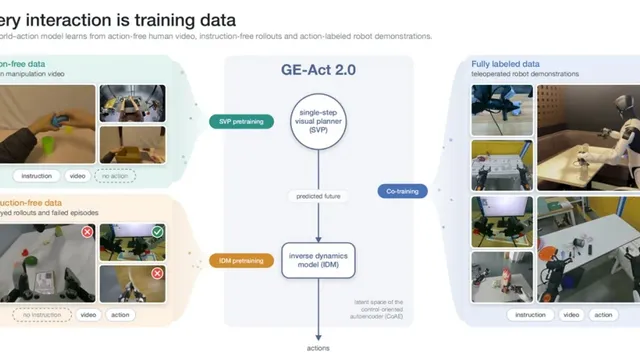

AgiBot trains an action model from scratch on robot data
AgiBot published GE-Act 2.0 on 9 September 2026, reporting that raising training data from 300 to 30,000 hours nearly doubled the tasks one of its robots could complete.
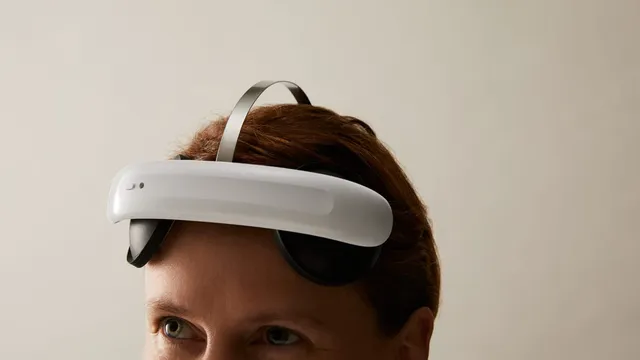

An at-home brain stimulation headset goes on sale in the US
Flow Neuroscience began selling the FL-100 in the United States in September 2026, the first at-home brain stimulation device the FDA has approved for depression.

FDA takes up the first in vivo CRISPR therapy for review
The FDA accepted Intellia's application for lonvo-z on 8 September 2026 with priority review and a target decision date of 10 March 2027.
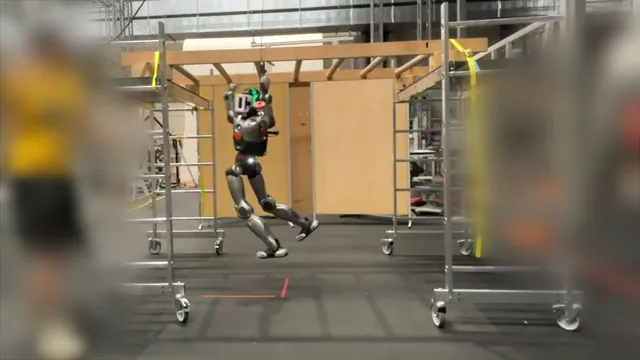

A humanoid crosses monkey bars using only onboard lidar
ETH Zurich reported a humanoid completing the full jump-up, swing and drop across an overhead ladder in 14 of 15 hardware trials, guided by a head-mounted lidar.


FDA officials open the door to new psychedelic trial designs
Four CDER leaders wrote in the New England Journal of Medicine that inert placebo may not be required, since psychedelic effects break the blind anyway.


UK commission sets out a staged licence regime for medical AI
The MHRA-convened National Commission proposes provisional authorisations, lifelong monitoring of AI devices, and public access to their safety records.
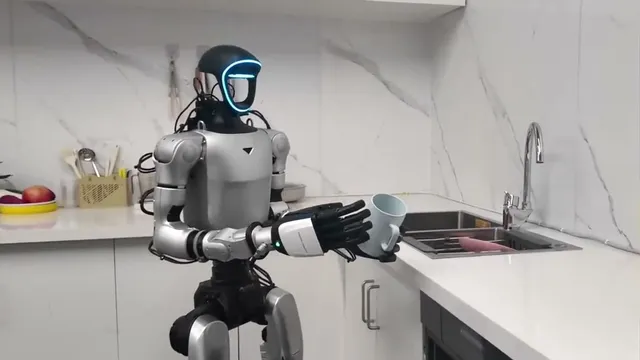

Unitree releases UnifoLM-WLA-1.0, one model for 64 robot tasks
A 6-billion-parameter world-language-action model trained on 2,500 hours of real-robot data, with code, weights and datasets published openly.
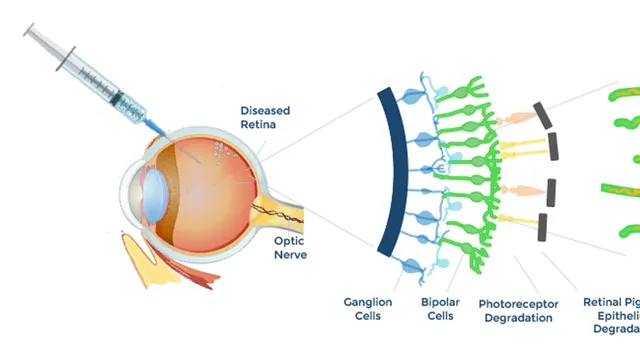

FDA accepts Nanoscope's BLA for optogenetic therapy MOGENRY
The agency filed Nanoscope's application for sonpiretigene isteparvovec on 9 September 2026, a one-time injection for retinitis pigmentosa with severe vision loss.
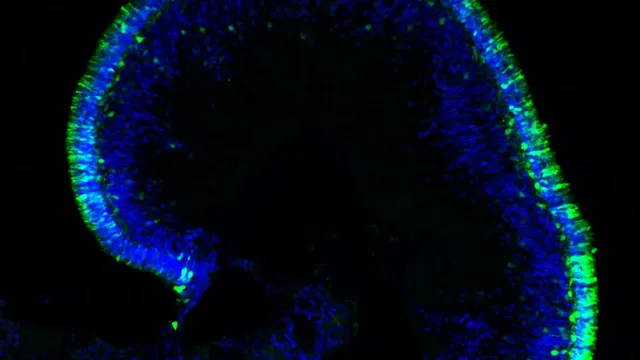

Opus Genetics reports first vision gains from BEST1 gene therapy
Three of five patients dosed in the BIRD-1 trial gained visual acuity, and the FDA agreed on a retinal-sensitivity endpoint for a pivotal study.

Serina's long-acting apomorphine advances to a second dose cohort
An independent safety committee cleared dose escalation in the Phase 1b registrational study of SER-252, a subcutaneous polymer formulation for advanced Parkinson's.
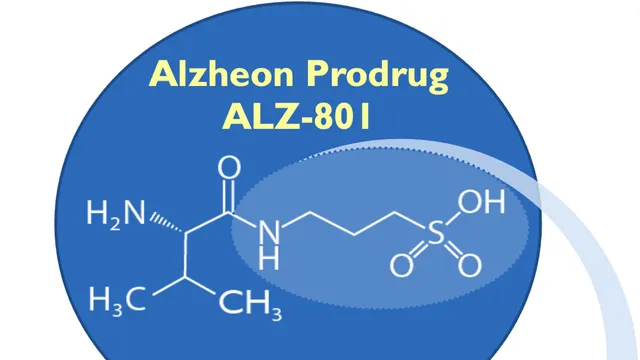

Alzheon publishes ALZ-801 biomarker results in APOE4 carriers
Plasma p-tau217 fell on oral valiltramiprosate through week 78, and the size of the drop tracked with slower brain shrinkage and slower cognitive decline.
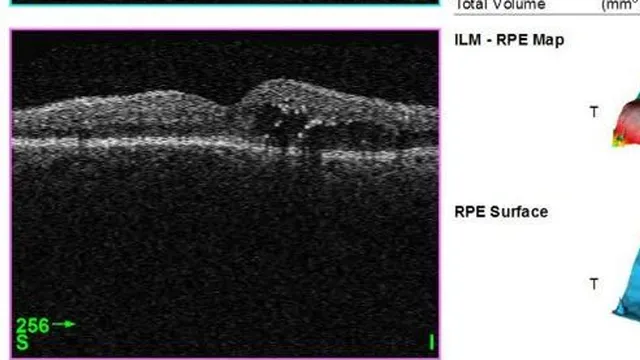

BioAge doses first patient in oral NLRP3 trial for macular edema
QUELL-DME will test whether a once-daily pill can hold vision in diabetic macular edema, including in patients who get no eye injections at all.

Apple Watch Series 12 reads heart rate every five seconds
New optical and electrical heart sensors announced on 9 September 2026 sample heart rate every five seconds and heart rate variability 24 times more often than before.
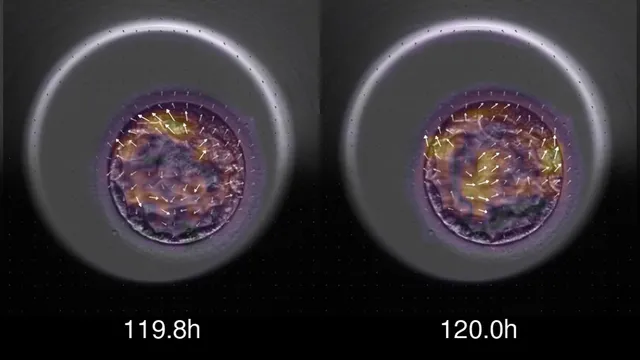

Base editing hit every PCSK9 allele in human embryos
A Nature paper published on 9 September 2026 reports editing at all PCSK9 alleles with no indels detected, alongside chromosome breakage the authors say precludes reproductive use.


PHYMI raised nearly $100M at seed to build physical agents
IDG Capital led a seed round of nearly $100 million for PHYMI, a Chinese embodied-AI company founded this year by a former DeepRoute.ai vice president.
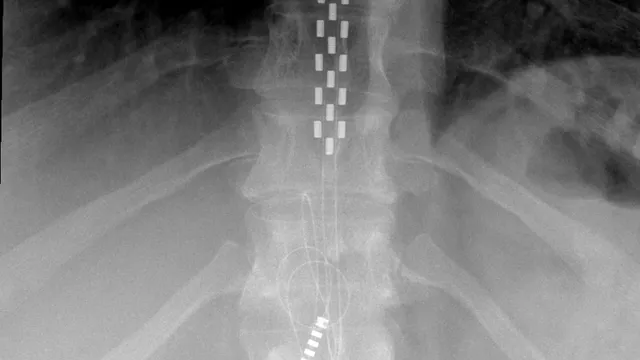

Spinal cord stimulation restored sensation in diabetic neuropathy
In a 91-patient trial across 13 US centres, 79.4 per cent on stimulation reached at least half pain relief against 4 per cent on medication, and nerve-fibre density rose 56 per cent.
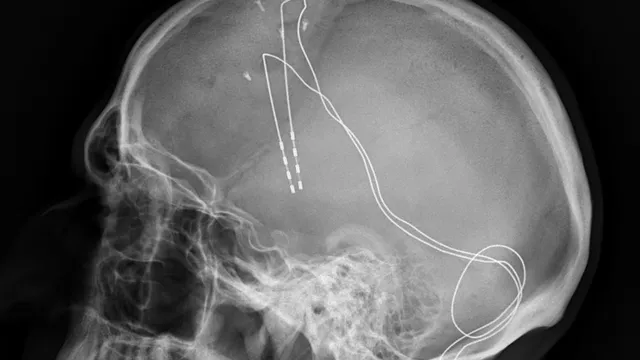

Genlight raised C and D rounds for an epilepsy neurostimulator
The Hangzhou company disclosed several hundred million yuan across two rounds on 8 September 2026, for an implantable epilepsy stimulator and a spinal-cord interface.
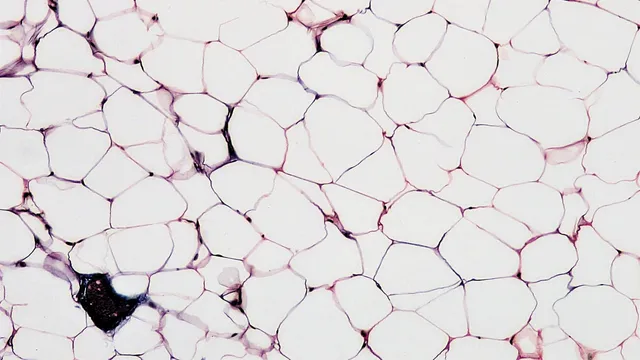

Moonwalk raised $70M to shrink fat with RNAi, not appetite
A Series B co-led by Alpha Wave and YK Bioventures, with Eli Lilly participating, funds an siRNA aimed at adipose tissue toward first-in-human trials in late 2027.


Noetix opened an embodied-AI brand with a world model
Noetix Robotics launched a sub-brand called Scalabot on 8 September 2026 and released HERON-World Model, extending from humanoid hardware into embodied-AI models.
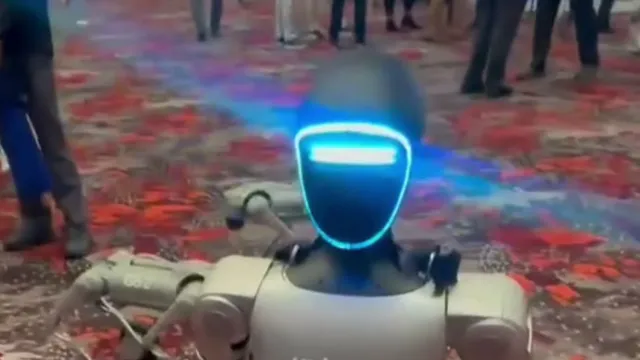

Reuters finds the PLA testing humanoid robots for combat
A review of more than 100 procurement notices, patents and papers found Chinese military institutions buying humanoids and studying how they might fight alongside troops.
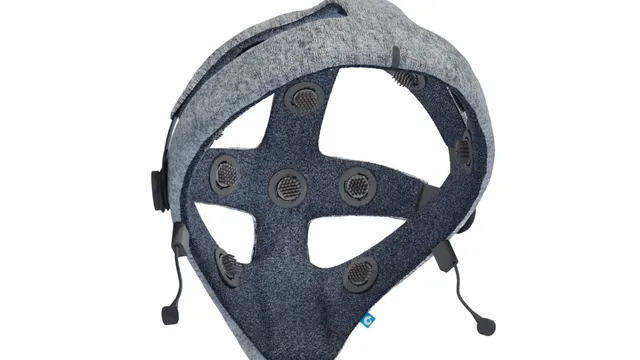

An at-home EEG headset held up through eight months in ALS
Twenty-eight people used a 16-channel dry-sensor EEG headset at home every two weeks for eight months, and the ALS group rated it 89 on the System Usability Scale.
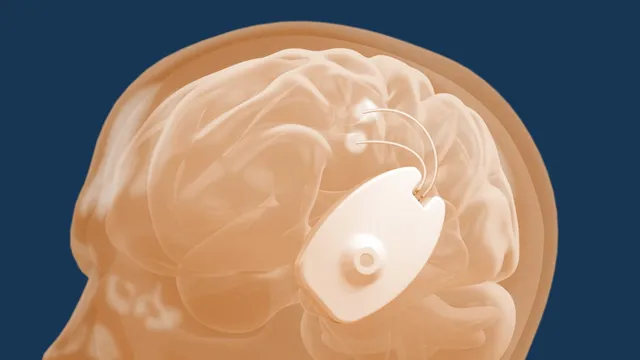

FDA cleared the cranial plate CraniUS wants to build on
The CraniUS Plate cleared 510(k) review on 29 July 2026 as a patient-specific cranioplasty implant, and the company designates it NeuroPASS 1, the base of a brain-access platform.
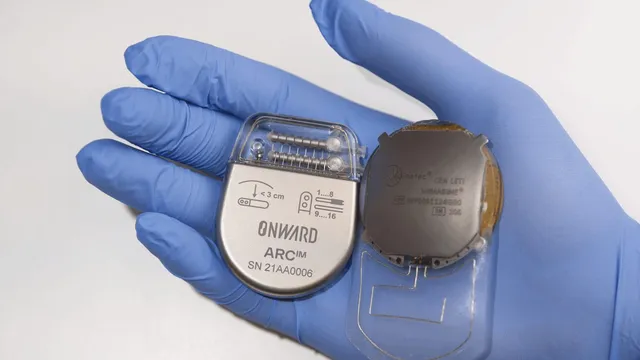

Seven people have now received ONWARD ARC-BCI therapy
ONWARD Medical's half-year results, published 9 September 2026, put the cumulative ARC-BCI implant count at seven and ARC-EX unit sales up 430%.
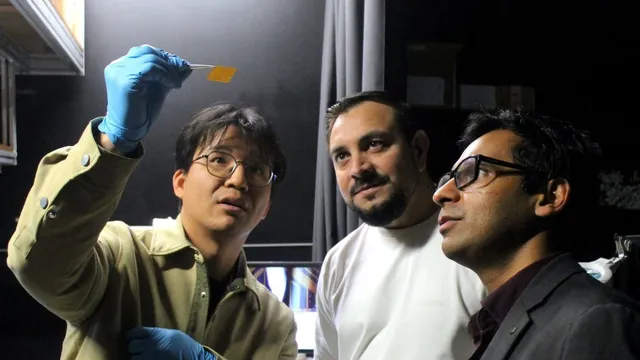

RMIT built a vision chip that remembers what it saw
A 2 cm molybdenum disulfide device announced on 9 September 2026 senses, stores and processes images in one place, the way a retina does — in the lab, for now.
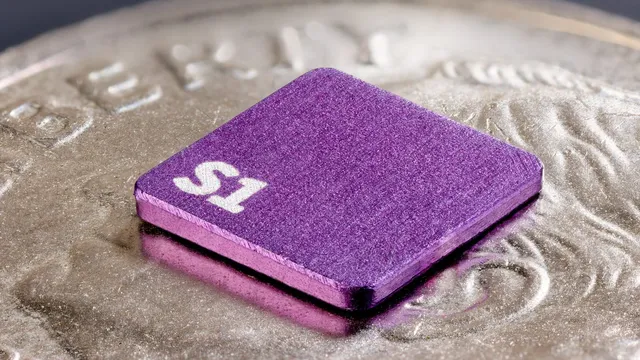

Apple bought a startup that reads the brain magnetically
An EU acquisition notice published on 8 September 2026 revealed Apple's purchase of Sonera, whose chip-scale magnetometers sense brain and muscle activity without touching skin.
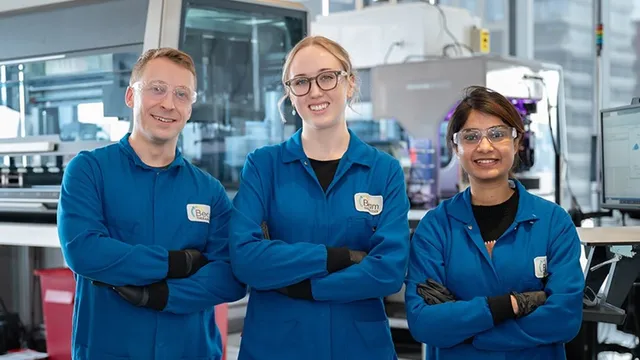

Beam cut mutant Z-AAT by 84% in alpha-1 patients
Updated Phase 1/2 data presented at the ERS Congress on 8 September 2026 showed total AAT rising from 5.0 to 14.4 micromolar at the 60 mg dose.
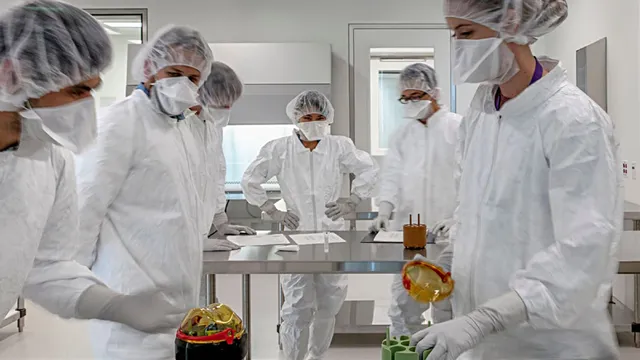

BrainChild opens a pivotal CAR-T trial for DIPG
The ILLUMINATE Phase 2 study delivers B7-H3 CAR T cells straight into the cerebrospinal fluid of children with a brainstem tumour that has no cure.


Genflow's SIRT6 gene therapy met its endpoint in old beagles
The SLAB trial in 24 dogs over ten years old hit its primary endpoint of reduced biological age on the GRIM methylation clock, Genflow said on 8 September 2026.
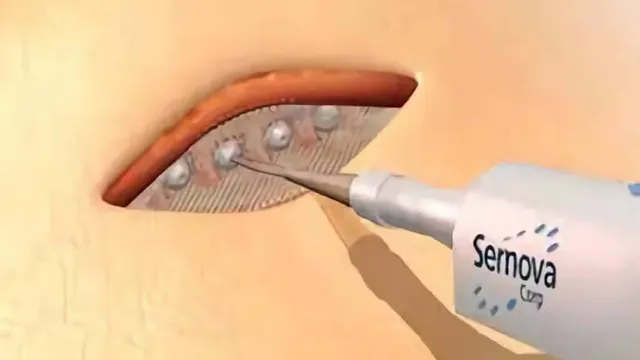

Sernova and Seraxis merge to put islet cells in an implant
BetaNova Biotherapeutics pairs Sernova's implantable Cell Pouch with Seraxis' stem-cell-derived islets, with first patient dosing targeted for early 2027.