Sernova and Seraxis merge to put islet cells in an implant
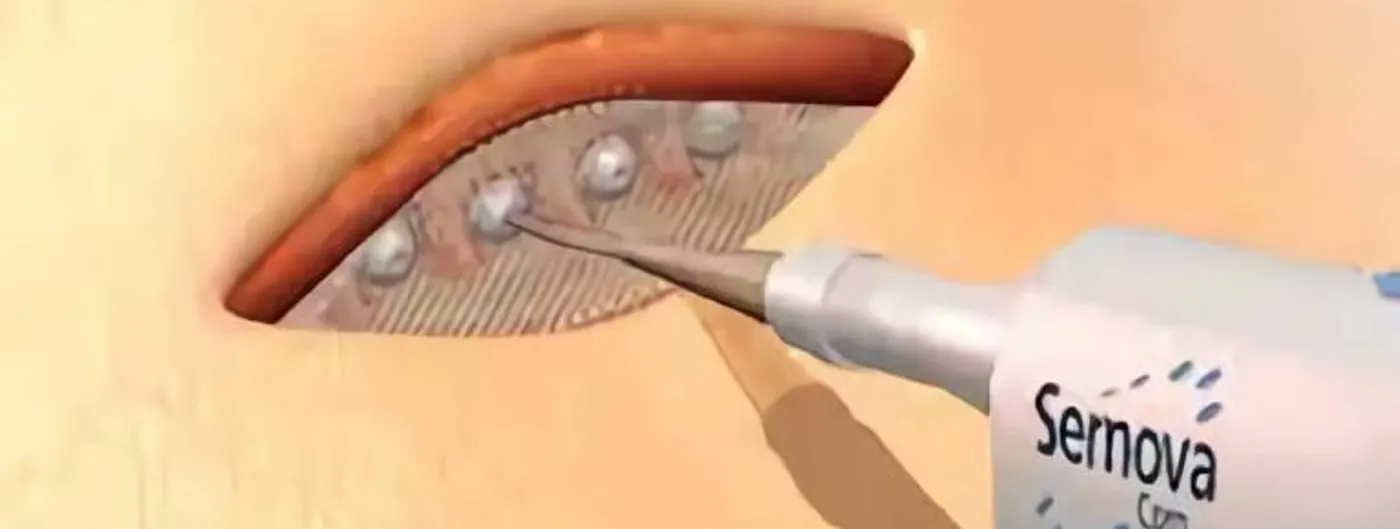
Sernova Biotherapeutics and Seraxis Holdings signed a definitive merger agreement on 8 September 2026, combining into BetaNova Biotherapeutics, a company built around one idea for type 1 diabetes: replace the insulin-producing cells the immune system destroyed, and put them somewhere retrievable.
Each half supplies one piece. Sernova brings the Cell Pouch Bio-hybrid Organ, an implantable and retrievable device that the company describes as clinically validated for supporting islet survival, engraftment and function. Seraxis brings stem-cell-derived pancreatic islets — SR-02 and SR-03 — plus in-house cGMP manufacturing.
Shareholders of each company will own roughly 50% of BetaNova, which will be US-domiciled in Germantown, Maryland. The merger is expected to close in November 2026 subject to shareholder approval, with a Nasdaq listing sought in the first quarter of 2027. A $10 million convertible note financing has been committed by existing insider shareholders of both companies.
The clinical calendar is the part to watch. SR-02, an allogeneic islet therapy, is expected to begin dosing patients in the first quarter of 2027 under an FDA-cleared IND, with data anticipated by mid-year. SR-03, gene-edited for immune evasion, has an IND submission planned for the second half of 2027.