Moonwalk raised $70M to shrink fat with RNAi, not appetite
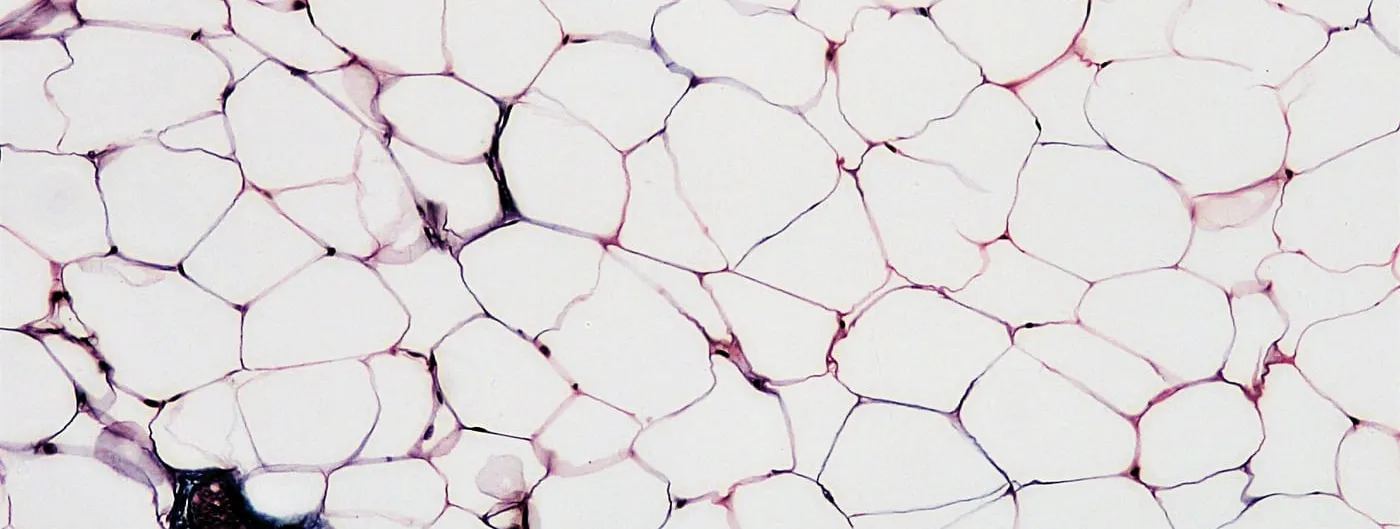
Berkshire Community College Bioscience Image Library, via Wikimedia Commons (CC0)CC0
.jpg)
Moonwalk Biosciences closed a $70 million Series B on 8 September 2026, co-led by Alpha Wave and YK Bioventures. Eli Lilly and Company and Gaorong Ventures joined, alongside existing investors ARCH Venture Partners, Khosla Ventures and Future Ventures. The company describes the round as oversubscribed.
The money goes to MW101, an siRNA designed to be delivered selectively to adipose tissue and to act on non-incretin pathways governing energy homeostasis, adipogenesis, lipolysis and thermogenesis. The mechanism is the point of difference. GLP-1 drugs work upstream, on appetite and gut signalling, and the weight they remove includes muscle. Moonwalk is proposing to instruct fat tissue directly and leave eating alone.
In non-human primates the company reports durable target engagement in adipose tissue after a single dose, which it says supports quarterly or twice-yearly dosing. First-in-human studies are expected in late 2027.
Nothing here has been in a person. What has been bought is the chance to find out whether body composition can be edited as a tissue instruction rather than negotiated through hunger — and, if the primate durability holds, on a schedule closer to a vaccine than a daily pill.