RegCell raises $66M to reprogram T cells into Tregs
.jpg)
The standard treatment for an autoimmune disease is to turn the immune system down, which also turns down its ability to fight infection and cancer. RegCell, of Emeryville, California, announced on 15 September 2026 that it had closed $66 million to pursue the other approach: teaching the immune system which target to leave alone.
The money is a $44 million Series A led by Playground Global, plus a second non-dilutive grant of 3.4 billion yen (about $22 million) from Japan’s Agency for Medical Research and Development. AMED has now committed roughly 9.0 billion yen to the company in total.
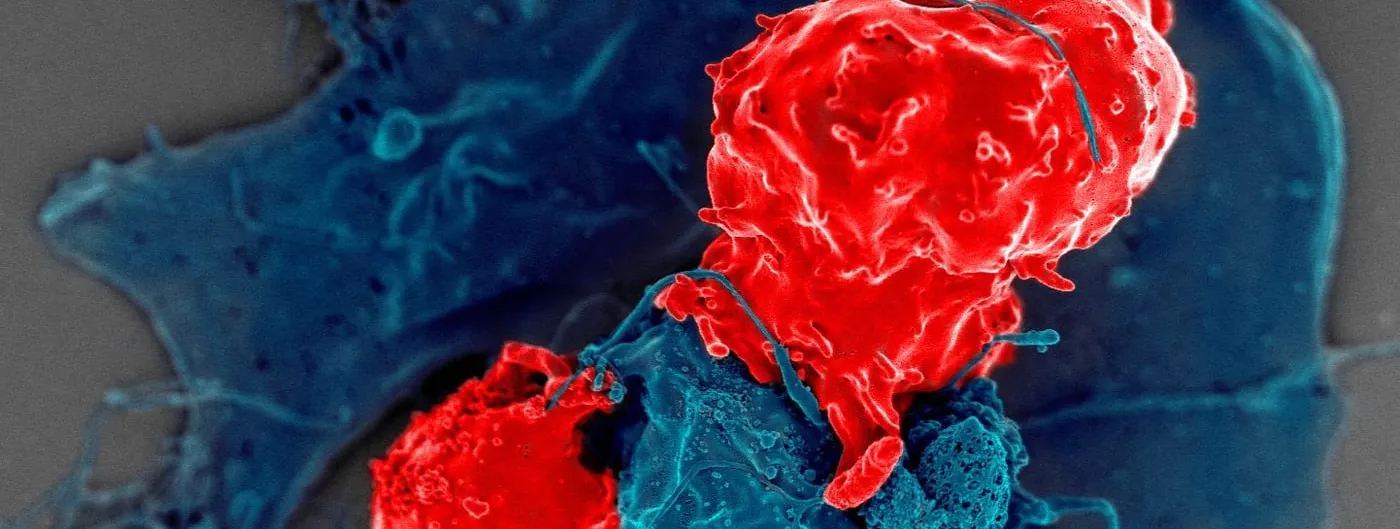
The platform uses epigenetic reprogramming to convert the pathogenic T cells that attack a tissue into stable, antigen-specific regulatory T cells — Tregs — that suppress that same attack. The specificity is what distinguishes it from broad immunosuppression: a Treg directed at one antigen restrains the response to that antigen and leaves the rest of the repertoire intact. RegCell was co-founded by Shimon Sakaguchi, who discovered regulatory T cells and shared a Nobel Prize for the work.
The first-generation programme targets autoimmune liver disease through clinical proof-of-concept, with Phase 2 studies named for myasthenia gravis, rheumatoid arthritis and ulcerative colitis to follow. No treatment has yet reached a patient; the next milestone stated is an IND submission.