MIT's swallowable paper battery runs three days in pig stomachs
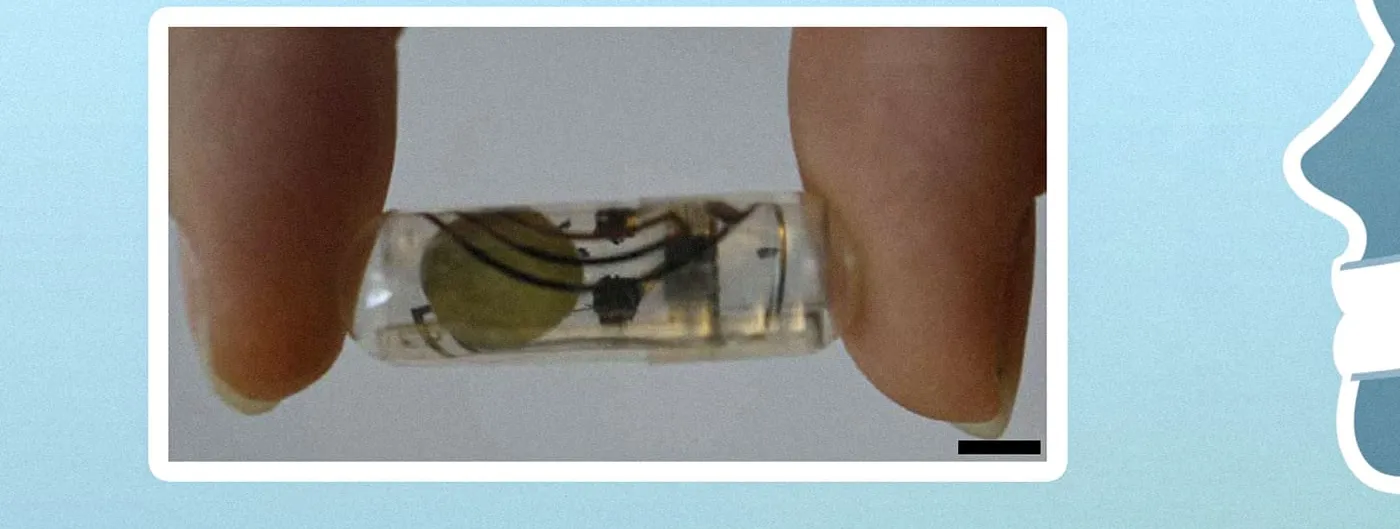
MIT engineers reported a battery built entirely from materials the body can absorb in Nature Chemical Engineering on 21 September 2026. The cell pairs a magnesium anode with a molybdenum trioxide cathode, bound with cellulose nanofibrils, around an ionic liquid gel electrolyte based on choline chloride and lactic acid. A natural wax coating sets how fast gastric fluid reaches the electrodes.
In the stomachs of live pigs the battery peaked at 1.84 volts and worked normally for about three days before its output declined. It breaks down completely within weeks. During that window it powered an RFID tag that communicated wirelessly from 1.5 metres away, and a capsule that stimulated the stomach electrically. Twenty minutes of stimulation raised levels of the hunger hormone ghrelin by about 50 percent.
The work comes from Giovanni Traverso’s group, with Mehmet Girayhan Say as lead author. The team is prototyping devices that combine the battery with biodegradable antennas and RFID circuits. It has not been tested in people; a human clinical trial is planned in about two years.