A 14-day heart patch after fainting doubled arrhythmia detection
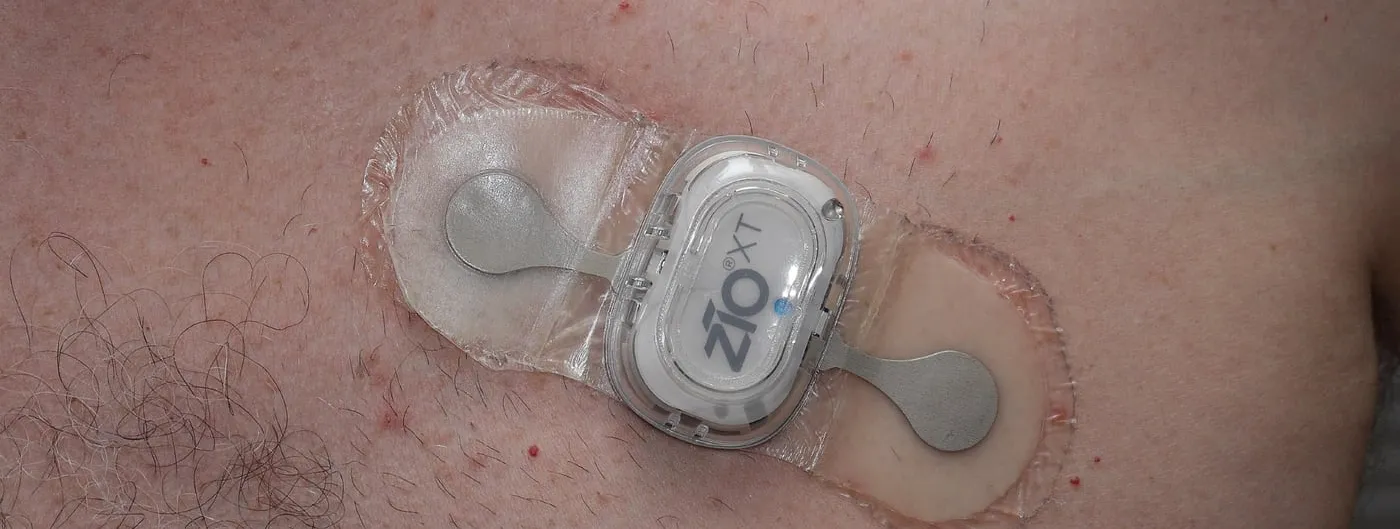

The ASPIRED trial randomised 2,234 patients who arrived at 45 UK emergency departments with unexplained fainting. Half were fitted with a chest-worn ECG patch within 72 hours of arrival; half received standard care. The results were presented on 31 August 2026 in a Hot Line session at the European Society of Cardiology Congress in Munich and published in the New England Journal of Medicine.
At one year an arrhythmia had been identified in 22 percent of the monitored group against 9 percent under standard care. Median time to diagnosis was 22 days against 54.5 days. Deaths within a year were 1.5 percent against 2.9 percent. More monitored patients were put on antiarrhythmic drugs, 10.8 against 7.3 percent, and more received a pacemaker, 6.8 against 4.6 percent.
The monitor was a BodyGuardian Mini from Preventice Solutions, which records a continuous rhythm trace for up to 14 days. The trial ran from August 2021 to June 2026, was led by Matthew Reed of the University of Edinburgh, was funded by the British Heart Foundation, and is registered as ISRCTN10278811.
Unexplained syncope is common and usually benign, which is why the standard workup is unhurried. What the trial tests is timing: starting the recording in the emergency department rather than weeks afterwards.