A base editor cleared sickle cell in a Nigerian patient
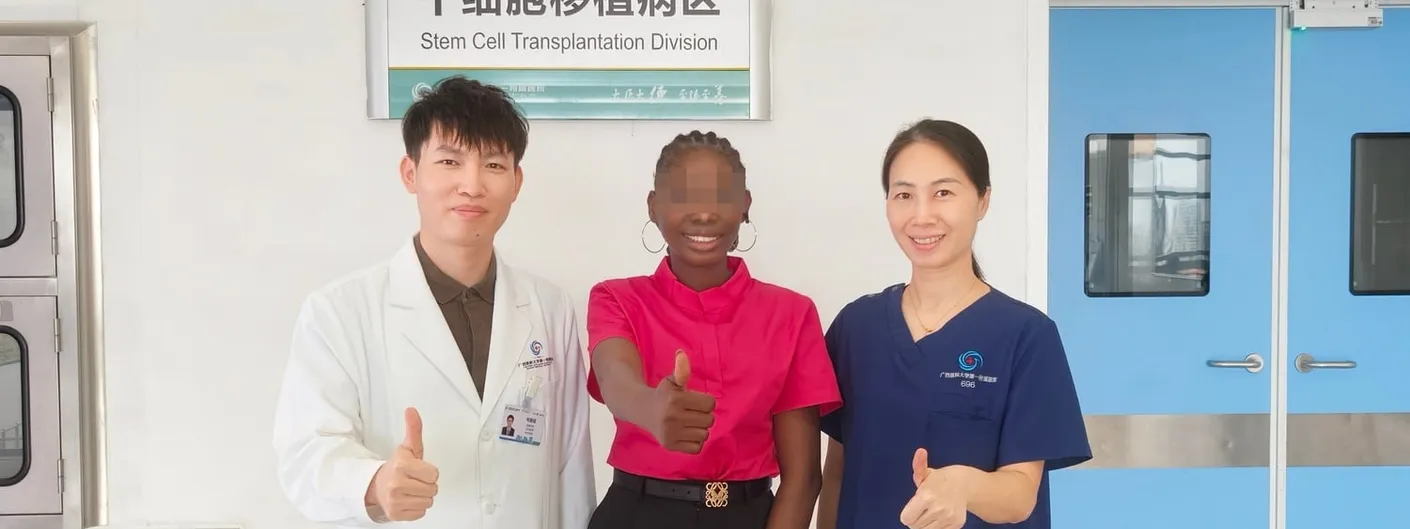
CorrectSequence Therapeutics published results in Cell Stem Cell on 7 September 2026 extending its base-editing therapy beyond the Chinese cohort it started with. Four new patients were treated — one with sickle cell disease from Nigeria, three with transfusion-dependent beta-thalassemia from Laos, Malaysia and Pakistan — bringing the total to nine.
The company’s transformer base editor converts one DNA base to another without cutting the double helix, which it says avoids p53 activation, apoptosis, large deletions and chromosomal rearrangements. The therapies are CS-101 and CS-206.
The sickle cell patient, aged 21, went from 7.7 g/dL haemoglobin at baseline to 12.9 g/dL at month three and stayed above 11 g/dL after that. Fetal haemoglobin rose from 3.5% to 62.2%; sickle haemoglobin fell from 76.1% to 31.6%. Through 15.5 months of follow-up, no vaso-occlusive crises occurred.
The three thalassemia patients engrafted at a median of 13 days for neutrophils and 27 days for platelets, reached a mean haemoglobin of 11.6 g/dL at month three, and all achieved sustained transfusion independence at a median 17.5 months of follow-up. The paper reports no off-target edits and no product-related adverse events.
Genetic background is the point here: the same editor worked across four unrelated populations.