Eight bat genomes tie longevity to antiviral and cancer defences
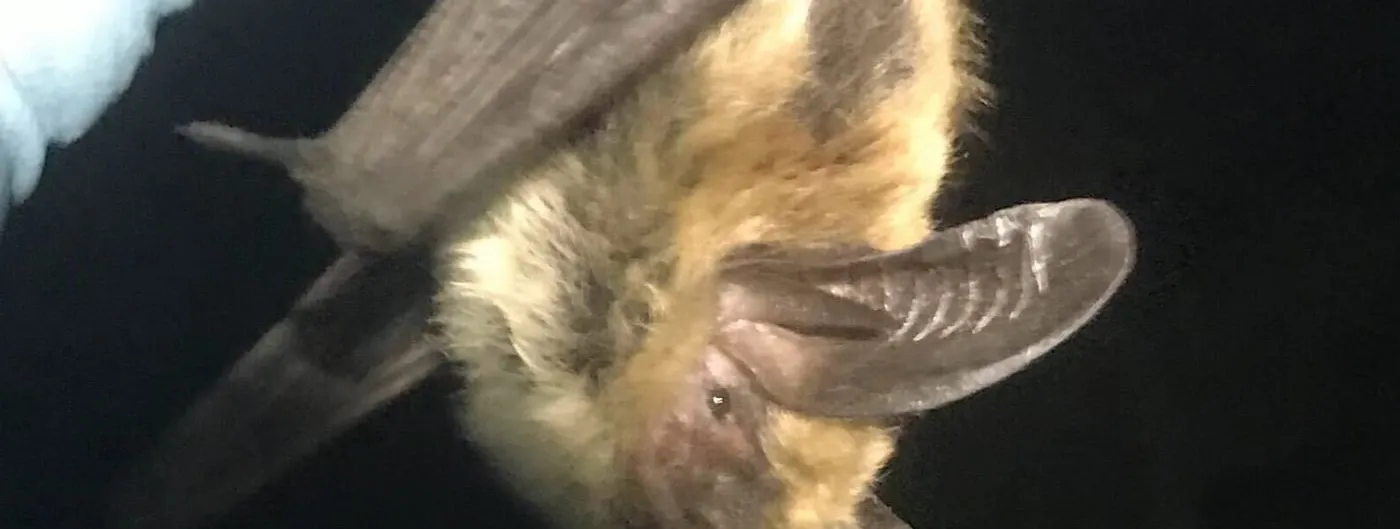
Elise Lauterbur / UC Berkeley NewsPress kit
A team led from the University of California, Berkeley published eight Myotis bat genomes in Nature on 26 August 2026 and reported that the genes behind these bats’ lifespans overlap with the genes behind their defence against viruses.
Myotis is a genus of small insect-eating bats, several of which live far longer than their body mass predicts. One Brandt’s myotis was banded and recaptured 50 years later. Juan Manuel Vazquez, then a postdoctoral fellow at Berkeley, gathered the samples over several years by netting bats at night across the western United States, taking a small wing biopsy the researchers liken to an ear piercing, and releasing the animal. The tissue became both cell lines and genomes.
The longer-lived species carried more genes whose proteins interact with DNA viruses, and some individuals had two or three copies of PKR, an antiviral gene, where one is usual. They also carried more cancer-suppressing genes. When the team exposed the cultured cells to a toxin, cells from the long-lived species died rather than attempt DNA repair, the opposite of what the researchers expected.
“Bats evolved to live for a long time without getting diseases, which suggests we don’t necessarily need to look at diseases of aging and infection as completely separate fields,” Vazquez told Berkeley News. This is comparative genomics in bats; no human intervention follows from it yet.