Ohio State wraps gene therapy vectors in red blood cell membrane
AI-generated illustrationAI-generated illustration
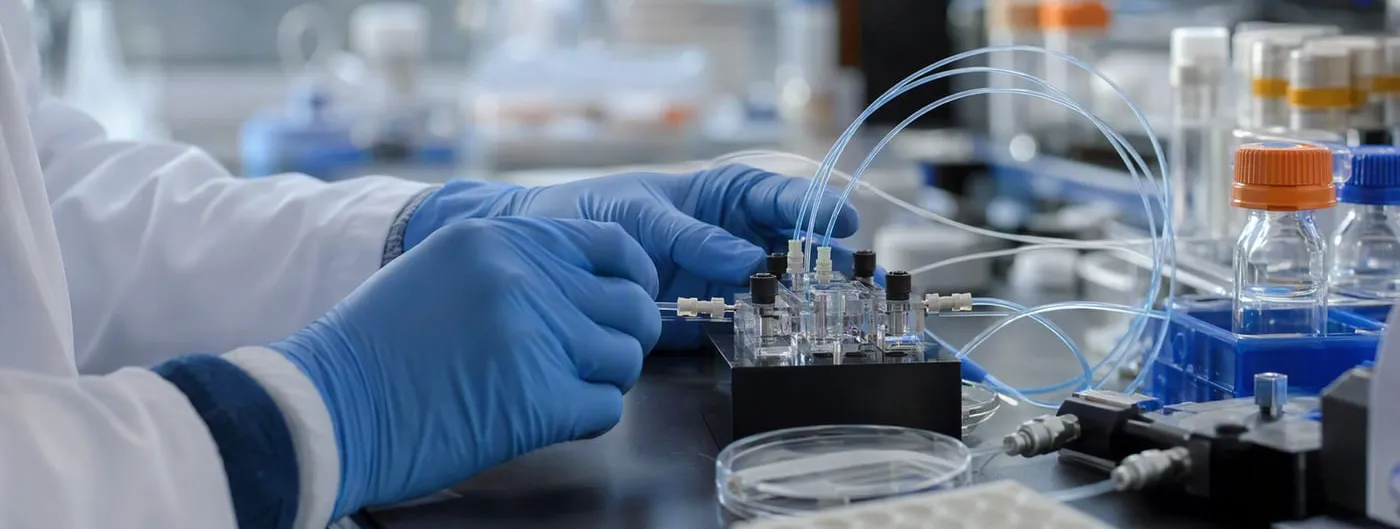
A group at The Ohio State University led by Eduardo Reátegui used microfluidics to build extracellular vesicles out of red blood cell lipids, then packed adeno-associated virus inside them. The work appeared in Advanced Healthcare Materials on 17 August 2026 (doi 10.1002/adhm.202504351).
Pre-existing immunity is the standing obstacle in AAV gene therapy. A large share of adults carry neutralising antibodies against common AAV serotypes, which disqualifies them from treatment and can force higher doses in those who are eligible. Hiding the capsid inside a membrane the body reads as its own is an attempt to route around that rather than engineer a new capsid.
The vesicles carried CD47 peptides — the signal a red blood cell uses to tell a macrophage not to eat it — and molecules recognising PD-L1 to bias them toward tumour cells. In mice they circulated systemically and accumulated in the lung, matching where natural extracellular vesicles go. The encapsulated virus kept its ability to deliver genes while gaining protection from neutralising antibodies.
This is a mouse result and a delivery platform, not a therapy. What it changes, if it holds, is who is eligible for one.