Precision BioSciences reports first biopsy evidence of cccDNA editing
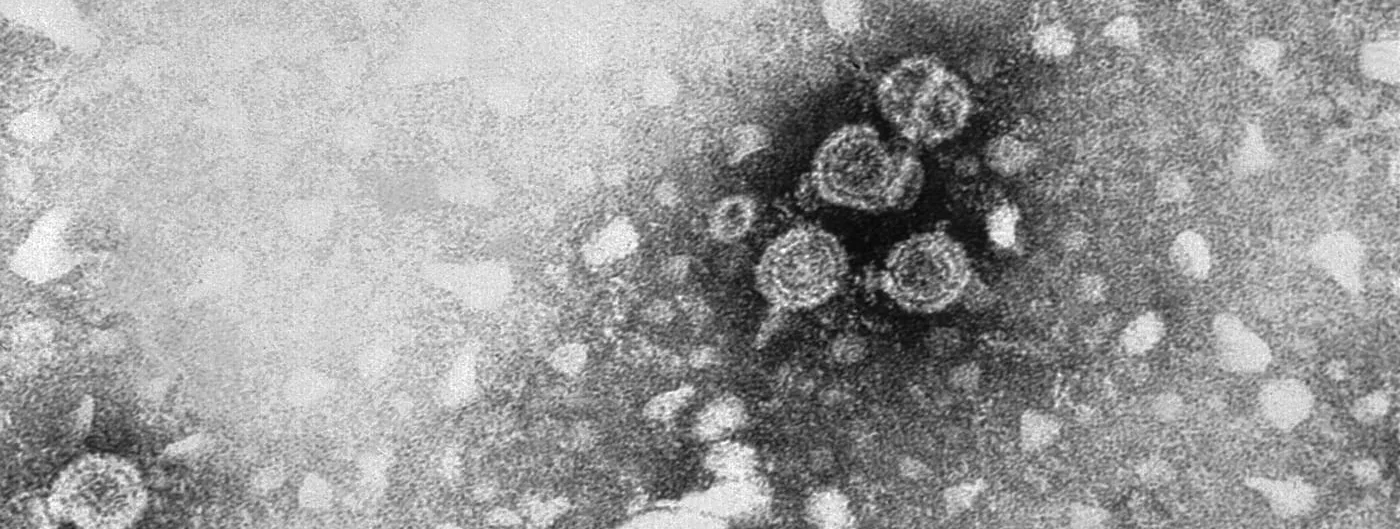
CDC / Dr. Erskine Palmer, via Wikimedia Commons (public domain)Public domain

Precision BioSciences disclosed on 6 August 2026 that a liver biopsy from a patient in its Phase 1 ELIMINATE-B trial showed a 1-log reduction in cccDNA-derived transcripts after two 0.4 mg/kg doses of PBGENE-HBV. A second patient given three doses at the same level showed that repeat administrations add to the effect rather than plateau.
cccDNA is the reason chronic hepatitis B is not cured by antivirals. It sits in the nucleus of infected liver cells as a stable episome, unreachable by drugs that block replication, and it restarts the infection whenever treatment stops. PBGENE-HBV uses an ARCUS nuclease delivered by lipid nanoparticle to cut that reservoir directly.
What makes the biopsy the notable part is where the measurement was taken. Blood markers have moved before: the company reported that pgRNA became durably undetectable in every patient who had it at baseline, sustained up to six months at the 4 May 2026 data cutoff, and surface-antigen declines in all patients dosed between 0.2 and 0.8 mg/kg. Those are inferences about the liver. A biopsy is the liver.
The trial had enrolled 16 patients across five dose cohorts at cutoff, with no dose-limiting toxicities reported. Infusion-related hypotension attributed to the lipid nanoparticle was managed with longer infusions and a short steroid course. The tissue evidence rests on a single patient.