Metal from joint replacements is reaching the brain, autopsies show
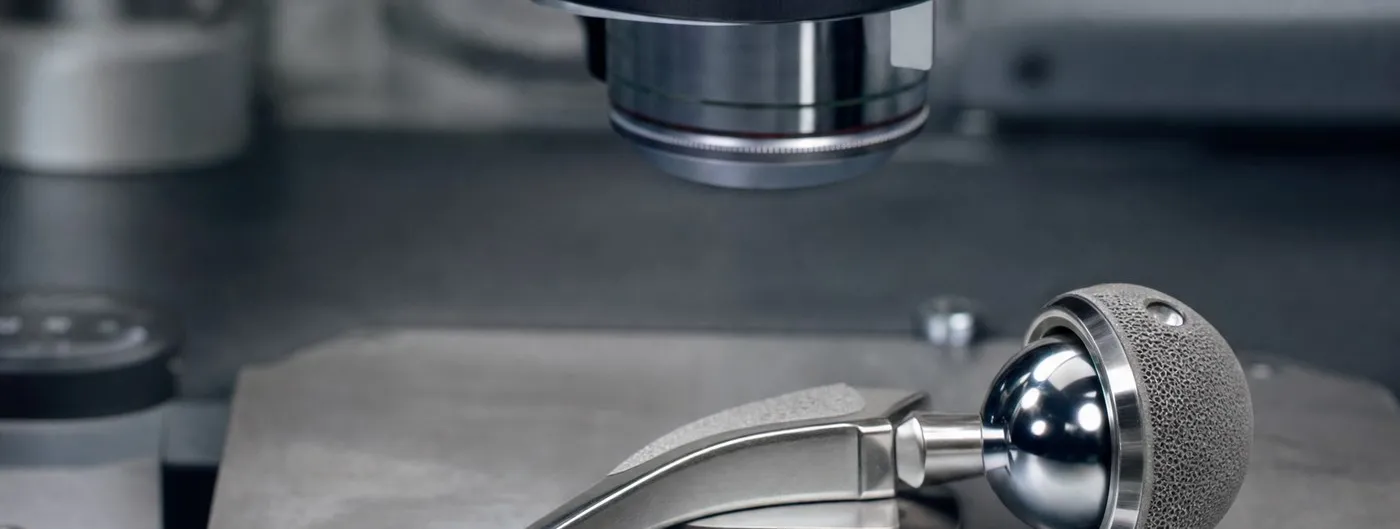
AI-generated illustrationAI-generated illustration
Researchers at Rush University reported on 27 August 2026, in Acta Biomaterialia, that wear particles from artificial hips, knees and shoulders can be found in human brain tissue. The team analysed brain samples from 701 participants of a long-running cohort who had been followed annually with a 19-test cognitive battery, comparing donors who carried joint implants against those who did not, and matched the metals recovered against the specific alloy combinations used in prostheses.
Cobalt, a key element of most implants, was associated with more Alzheimer’s disease pathology in the brain. The study found no evidence that the particles caused cognitive decline: the association sits at the level of pathology, not measured function.
The work was led by Robin Pourzal, associate professor and director of implant materials analysis at Rush, with Puja Agarwal and David Bennett of the Rush Alzheimer’s Disease Center and international collaborators.
Joint replacement is among the most successful implants medicine has, performed on millions of people who then live decades with it. This is the first large post-mortem evidence that what those bearings shed does not stay local. What it means clinically is, on this data, still open.