FDA authorises a robot that draws blood without a human hand
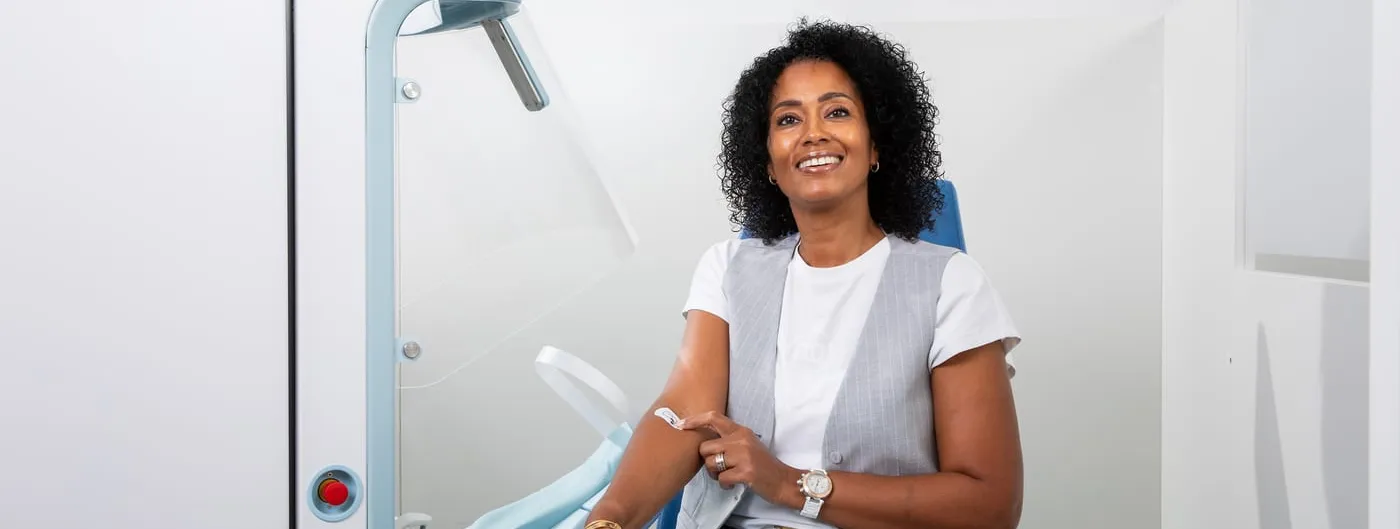
The FDA granted Vitestro marketing authorisation for the Aletta on 19 August 2026 through the De Novo pathway, the route reserved for low- to moderate-risk devices of a genuinely new type. It is the first standalone robotic device cleared to draw blood from a patient’s arm with no hands-on operator intervention.
A trained phlebotomist starts each session and stays available, but the machine performs every step: it guides the patient to position the arm, then uses near-infrared light and Doppler ultrasound to find a vein and distinguish it from an artery. If it finds no suitable vein it does not attempt the puncture. It then applies the tourniquet, prepares the skin, inserts and disposes of the needle, changes collection tubes and applies a bandage. If the patient moves too much the needle detaches automatically and the draw stops.
The agency says clinical data showed success rates comparable to or better than trained human phlebotomists when the device proceeds with a stick, across patients with varying health status, self-reported difficult venous access and varying skin tones. Device-related adverse events were uncommon and mild.
One phlebotomist may supervise up to three units at once, which is the point: the FDA frames the authorisation against a growing shortage of trained phlebotomists in the United States. The De Novo comes with special controls covering labelling, performance testing and clinical testing.