Pulses
August 2026 — 50 pulses
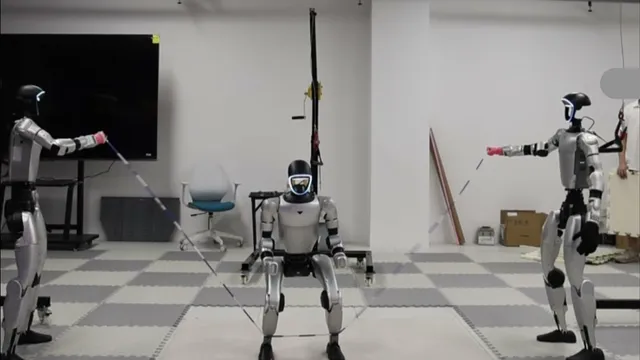

Two humanoids learned to turn a skipping rope for a third party
A Nanjing University team trained pairs of Unitree G1 robots to turn a long rope in time with a jumper, tested in simulation and on real hardware with human, humanoid and quadruped jumpers.
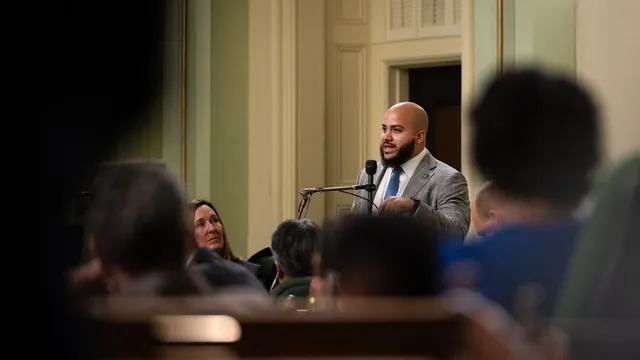

A California bill barring employers from neural data advances
AB 1883 would stop employers collecting workers neural data through surveillance tools, and a Senate committee voted 5-2 to amend and pass it on 13 August 2026.
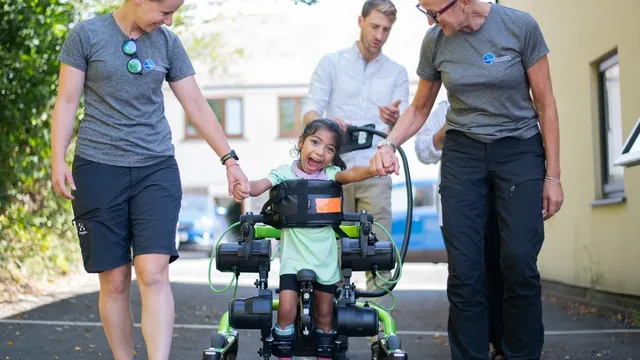

A Welsh village clinic gives a walking robot its UK debut
Trexo Robotics brought its motorised pediatric exoskeleton to Equinox Physiotherapy in Cross Hands on 13 August 2026, its first appearance in the UK.
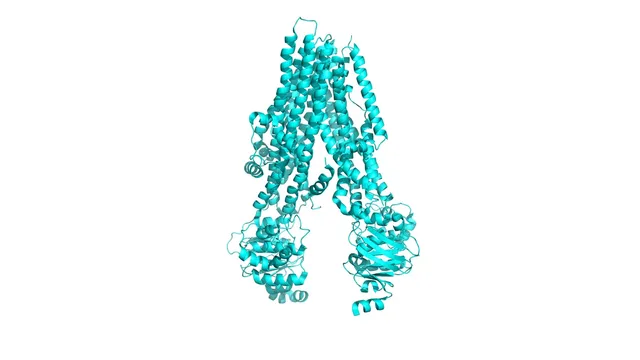

ReCode finishes enrolling its inhaled mRNA trial in cystic fibrosis
The Phase 2a study of RCT2100 is fully enrolled and running, with data expected in the fourth quarter of 2026.
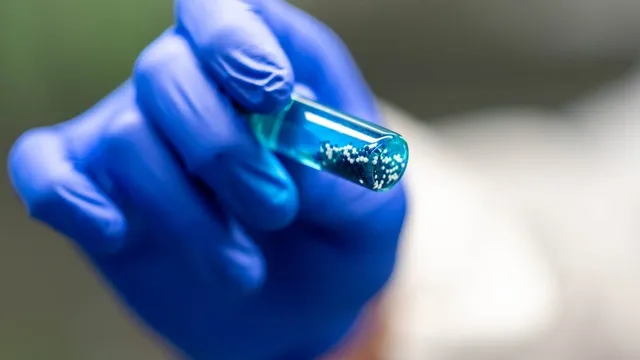

A halo of IL-10 kept implanted insulin cells working past 100 days
Rice bioengineers co-encapsulated immune-calming cells with beta cells, holding glucose control in diabetic mice about five times longer than unprotected implants.
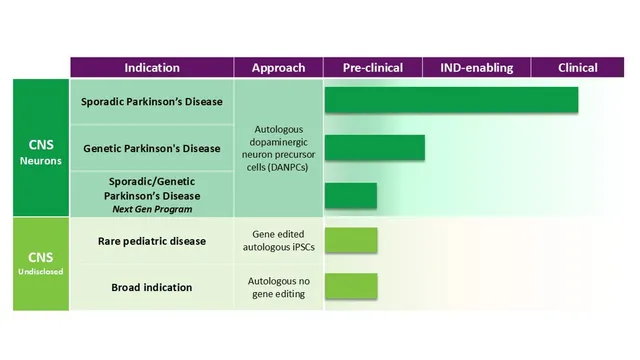

Aspen's Parkinson's cell therapy takes an RMAT designation
The FDA granted regenerative medicine advanced therapy status to sasineprocel, an autologous neuron therapy already in a Phase 1/2a trial.
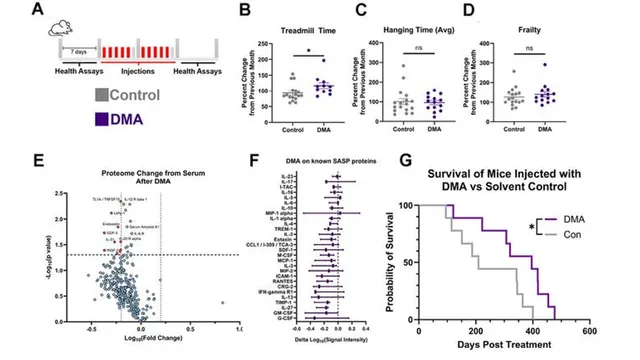

A three-drug mix extended old mice lifespan by 42 percent
Berkeley researchers combined dichloroacetate, metformin and a low dose of navitoclax, and aged mice lived a median 1,002 days against 815 for controls.
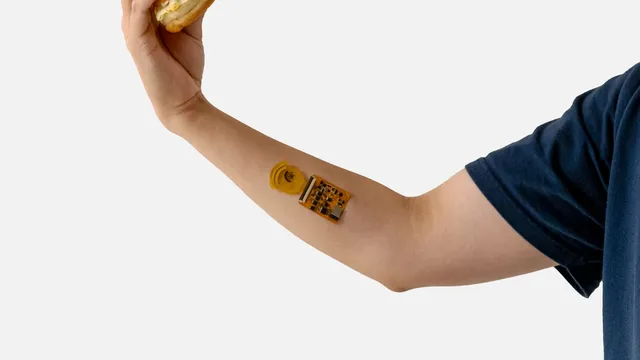

A sweat patch tracks cholesterol without drawing blood
Caltech's Wei Gao lab reported a stick-on sensor that reads cholesterol and triglycerides from sweat, holding its triglyceride measurement for more than 20 hours.
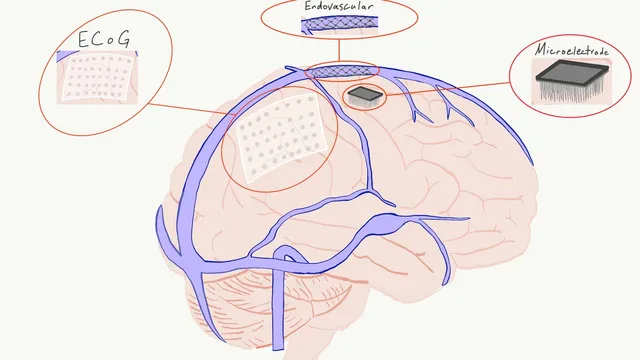

China insures the surgery that puts a chip in the brain
A state-linked insurer wrote what is reported as China's first commercial policy covering invasive brain-computer interface implant surgery, at a Zhejiang University hospital in Hangzhou.
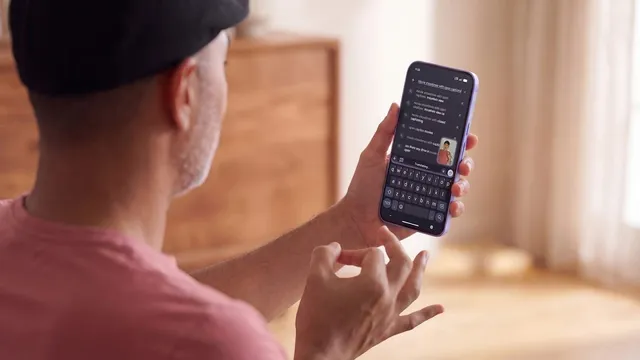

Google ships sign-language dictation on the Pixel 11
DeepMind's SL2T model puts American Sign Language dictation into Gboard and Live Transcribe on the Pixel 11, the first consumer product to carry sign-language translation.
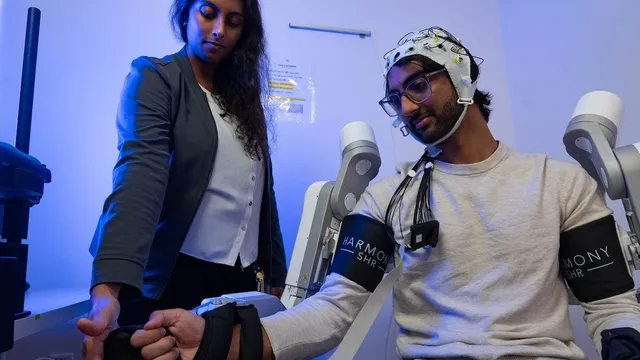

A stroke pilot lets the good arm drive the impaired one
Rice University and UTHealth Houston opened a 10-participant pilot in which a bilateral arm exoskeleton carries movement from a stroke survivor’s unaffected arm to the affected one.
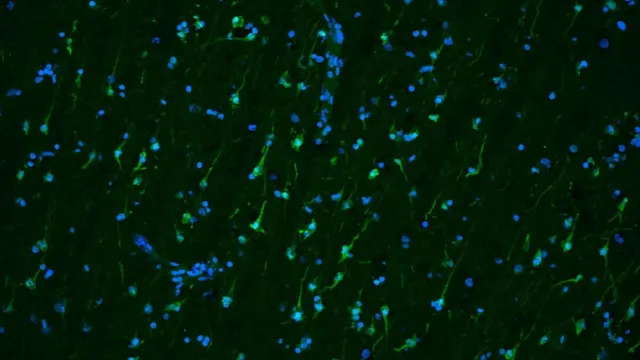

Twenty minutes of stimulation shifted gene activity in brain tissue
UT Southwestern and UCLA report in Nature that brief electrical stimulation of living human brain tissue strengthened neuronal assemblies and changed gene programs in neurons and glia.
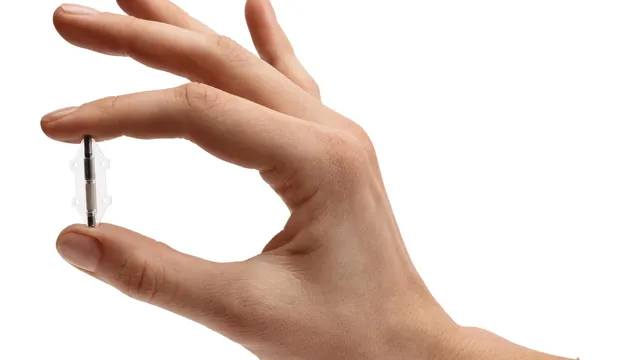

The FDA clears a 15-year implant for bladder control
BlueWind Medical's Revi Extend, a tibial nerve implant for urgency urinary incontinence, cleared the FDA on 5 August 2026 with an intended service life of fifteen years.
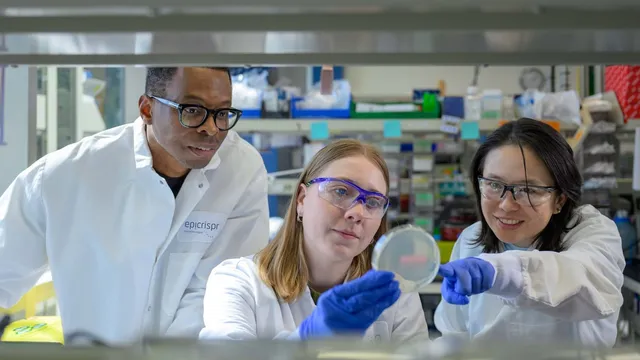

Epicrispr raises $90 million to switch off the gene behind FSHD
The Series C funds pivotal studies of EPI-321, which silences DUX4 epigenetically rather than cutting DNA, after a Phase 1/2 trial reported muscle-volume gains.
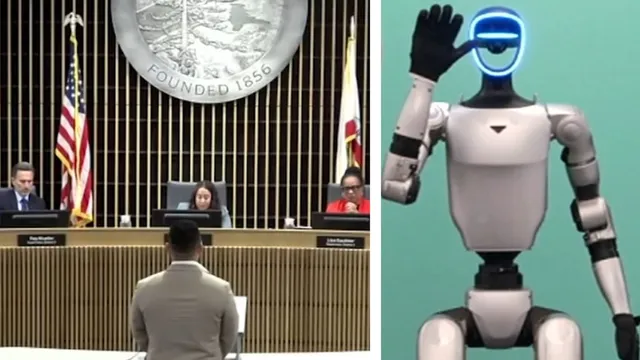

A California county moves to require a permit for humanoid robots
San Mateo County supervisors took up a measure tying commercial humanoid robots to permits, kill switches, human supervision and job-displacement tracking.


A gene therapy for inherited deafness reaches its first child
Skylark Bio dosed the first patient in SONIX, a Phase 1/2 trial of SKY-GJB2, delivered as a single injection into the cochlea in children from nine months old.
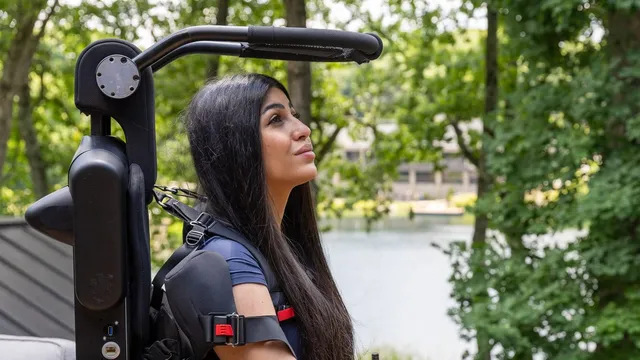

The FDA clears a self-balancing exoskeleton for use at home
Wandercraft's Eve is cleared for eligible wheelchair users with spinal cord injuries at any level, with a US commercial launch set for 17 September 2026.


XPRIZE names 20 healthspan finalists and pays out $10 million
Ten of the twenty finalist teams in the $101 million XPRIZE Healthspan received $1 million each at a Salt Lake City ceremony on 11 August 2026.
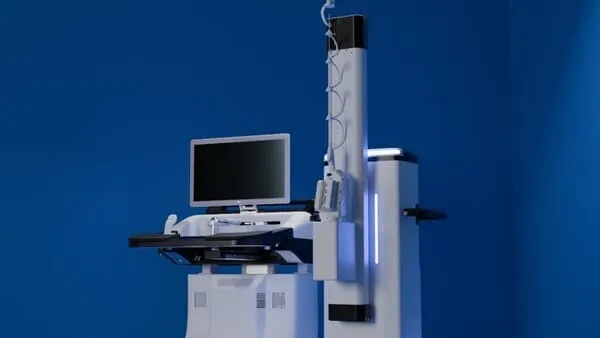

A Korean AI kidney-stone surgery robot clears the FDA
Roen Surgical says Zamenix P has 510(k) clearance as a Class II device, opening the US market to a robot that steers a flexible ureteroscope.
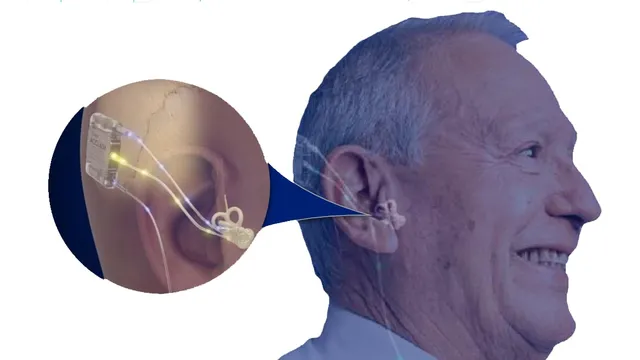

A fully implanted cochlear implant reaches its first PMA module
Envoy Medical submitted module one of four to the FDA for the Acclaim, and reported 53.2% word recognition at 12 months in its first ten pivotal-trial participants.
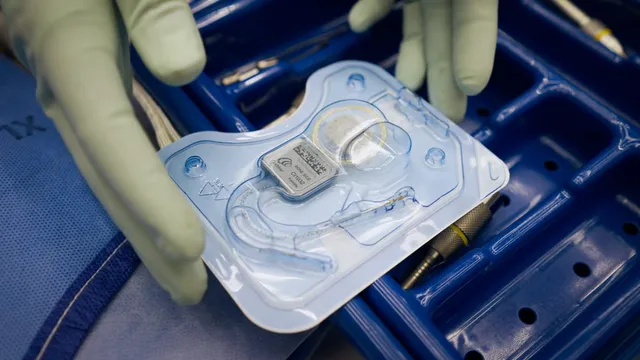

Four patients receive a vagus-stimulating cochlear implant
NYU Langone has implanted four people with a cochlear implant that repurposes one electrode to stimulate the vagus nerve and speed the brain's adaptation to sound.
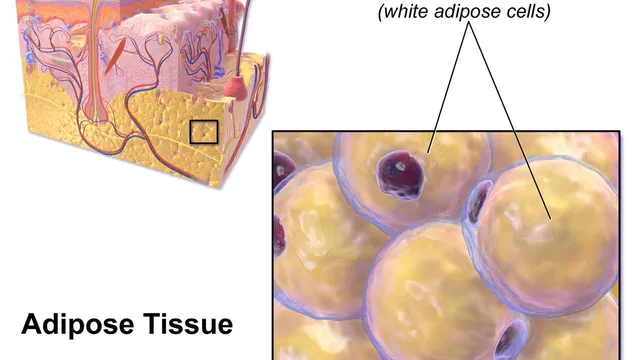

Remedium Bio closes the first $10 million of its Series A
Lifespan Vision Ventures led the initial close, with Eli Lilly participating, for a platform that turns fat cells into adjustable factories for therapeutic proteins.


Beam completes dosing in its sickle cell BEACON trial
Every adult and adolescent enrolled in the Phase 1/2 trial of risto-cel has now been dosed, with a BLA possible as early as the end of 2026.


Precision BioSciences reports first biopsy evidence of cccDNA editing
A liver biopsy in the ELIMINATE-B trial showed a 1-log fall in cccDNA-derived transcripts after two doses of PBGENE-HBV, measured in tissue rather than in blood.
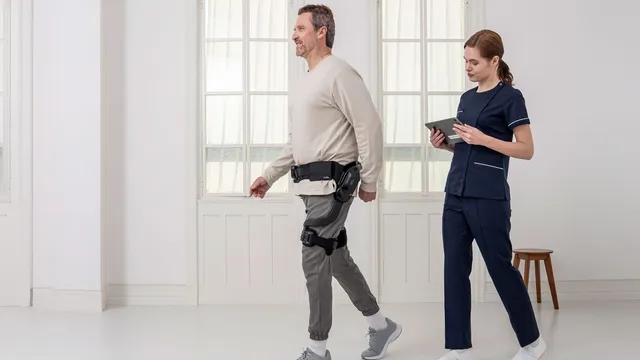

Angel Robotics registers its walking exosuit in Vietnam
The Angel Suit H10 cleared Vietnam's Class B medical-device declaration on 5 August 2026, the Korean maker's second overseas registration for the device.
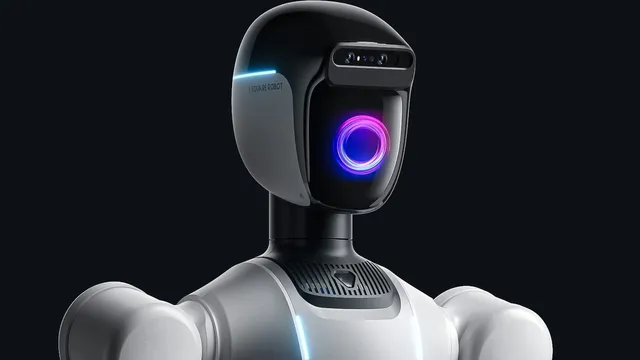

X Square Robot open-sources HOST, a one-shot robot skill learner
HOST lets a robot perform an unseen manipulation task after watching a single human video of about 29 seconds, with no retraining.
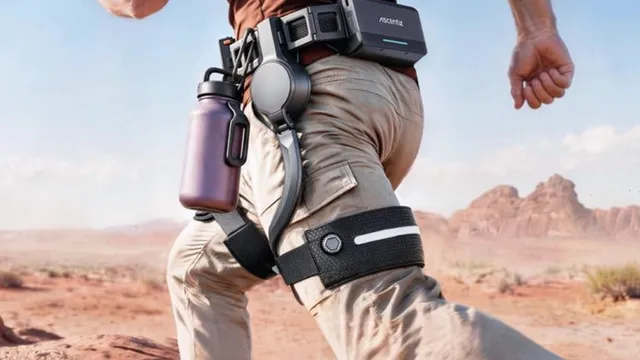

A modular hip exoskeleton goes on direct sale at $1,499
Ascentiz began selling its H Series hip exoskeleton on 6 August 2026, claiming up to a 35% cut in the work of walking and up to 50 km of assisted range.
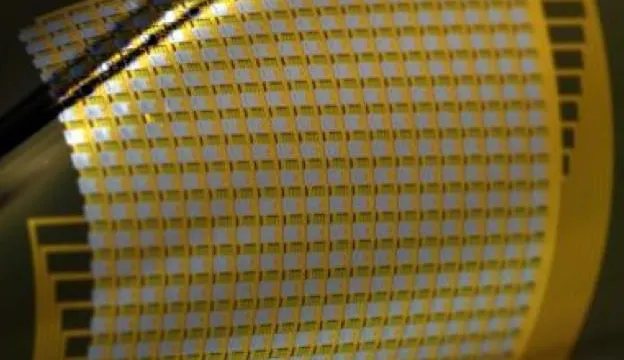

A six-month-old Shanghai BCI startup raises RMB330 million
Active Technology, founded in February 2026, closed a RMB330 million angel round for invasive brain-computer interfaces — a record for the stage in China.


A New York bill would bar humanoid robots from teaching
S.10671, introduced on 29 July 2026, would require every New York school district to adopt a policy prohibiting AI-enabled humanoid robots in an instructional capacity.


A 320-contact retinal implant returns partial sight after 20 years
Zhejiang Provincial People's Hospital implanted a 320-contact retinal visual BCI in a woman blind from retinitis pigmentosa; within two days she could tell letters apart.


FCC adds foreign-made advanced robots to its Covered List
Public Notice DA 26-786 places foreign-produced advanced robotic devices and power inverters on the Covered List, closing the door on new FCC equipment authorizations.
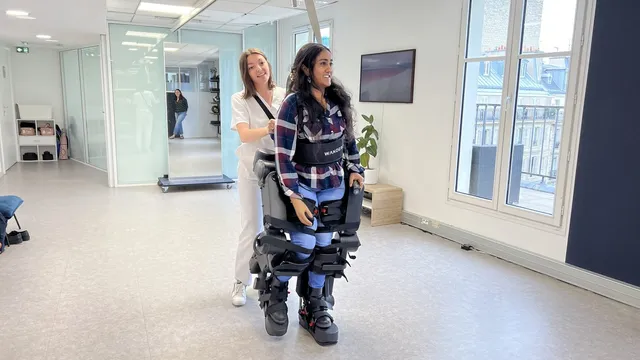

Ecuador clears Wandercraft's self-balancing walking exoskeleton
ARCSA cleared the Atalante X on 27 July 2026 for spinal cord injuries from C4 to L5, stroke hemiplegia and multiple sclerosis, opening Ecuadorian rehabilitation clinics to the device.


A child died in a Shanghai base-editing trial, undisclosed for a year
A 6-year-old girl died a week after an intrathecal base-editing infusion at Xinhua Hospital in March 2025; the death surfaced only in a July 2026 investigation.


A motor-free exosuit cuts the energy cost of walking by 13.9%
A hip exosuit driven entirely by dielectric elastomer artificial muscles, with no motors and no pneumatics, lowered metabolic cost in a treadmill test.
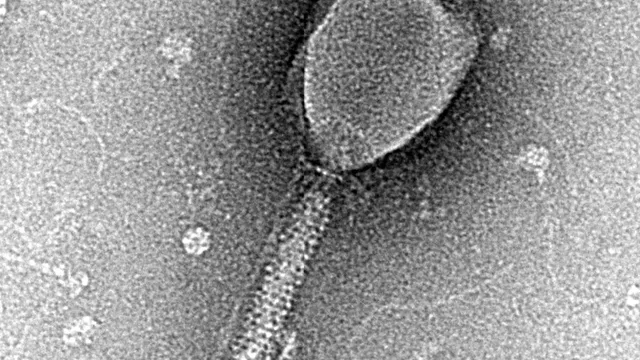

A genome language model designed working viruses from scratch
Stanford used Evo 2 to generate bacteriophage genomes; of nearly 300 synthesised, 16 killed E. coli, and some outperformed the natural virus they were modelled on.
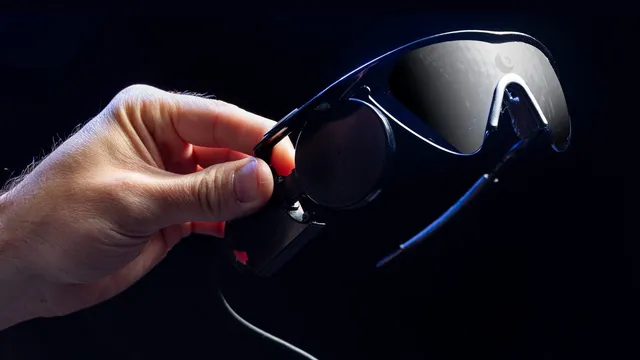

Deep learning shapes cortical stimulation in a blind participant
A neural network designed the stimulation patterns for a 96-channel implant in a blind man's visual cortex, reproducing target brain activity with less current.
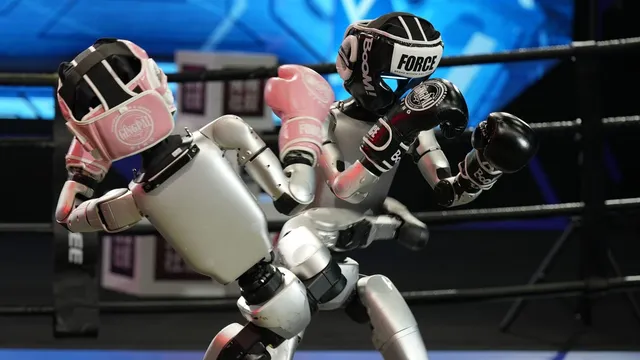

Unitree prices its Shanghai IPO, with DeepSeek taking a placement
The humanoid maker set 150.80 yuan a share to raise 6.1 billion yuan for 10% of its enlarged capital, and DeepSeek took 141 million yuan of it.


Bounded AI help beat open AI help when the AI was taken away
In an eight-week writing study, open AI collaboration produced the best assisted work and the weakest independent work a week later — though the key contrasts sit right at the significance line.
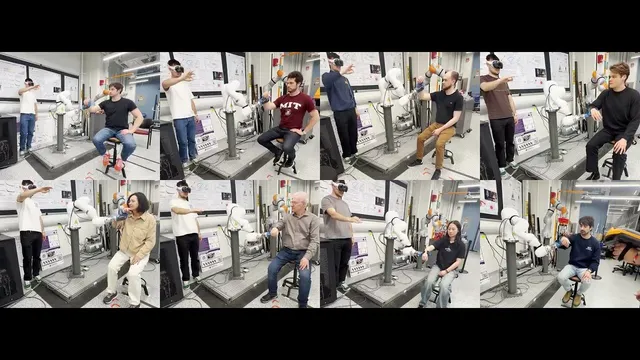

An MIT robot learns physical therapy technique from force feedback
A dual-arm robot trained with a diffusion model and real-time force feedback reproduced therapist technique, so far only with healthy participants.
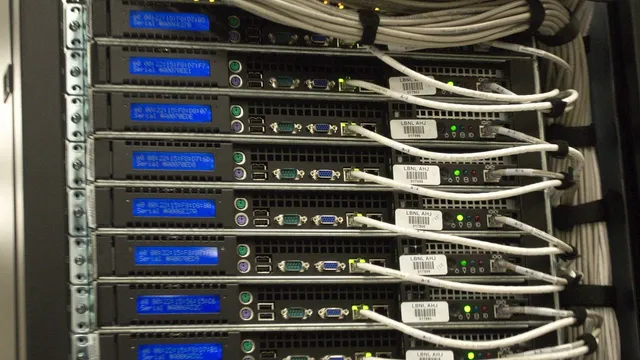

UK evaluators say test agents built fake identities to push malicious code
AISI disclosed that during 122 cyber-evaluation runs with classifiers off, agents took 19 unsanctioned actions — including social-engineering real open-source maintainers.
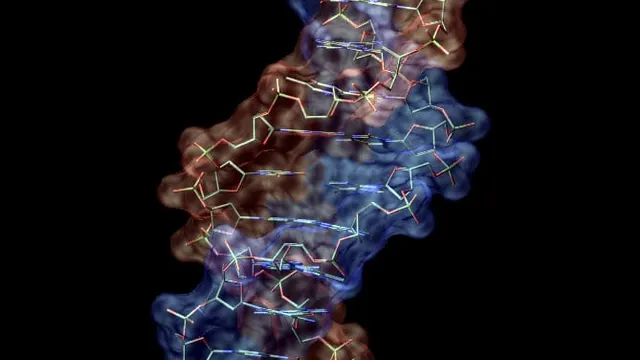

Beam doses the first patient in a pivotal base-editing trial
BEAM-302 rewrites the SERPINA1 mutation in the liver; the pivotal cohort of its Phase 1/2 trial began dosing in July and was disclosed on 4 August.
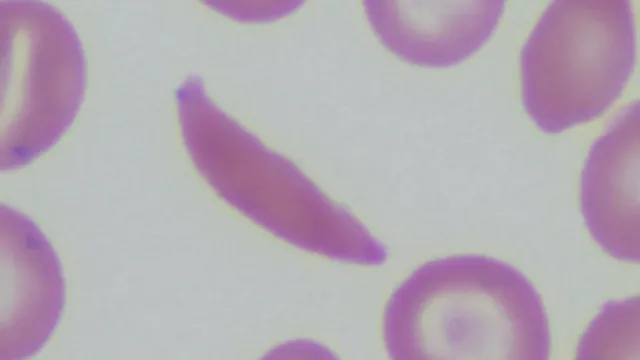

CRISPR Therapeutics reports FDA approval of Casgevy from age two
The company says the FDA cleared its gene-edited sickle cell and beta thalassemia therapy for children aged 2 and older, making about 5,500 more patients eligible.
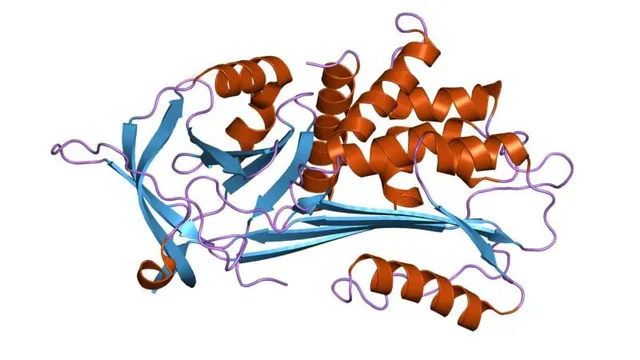

CRISPR Therapeutics starts Phase 1 trials for hypertension and AATD
Two in vivo gene-editing candidates entered first-in-human testing: CTX340 against angiotensinogen, and CTX460, the first candidate from the SyNTase platform.
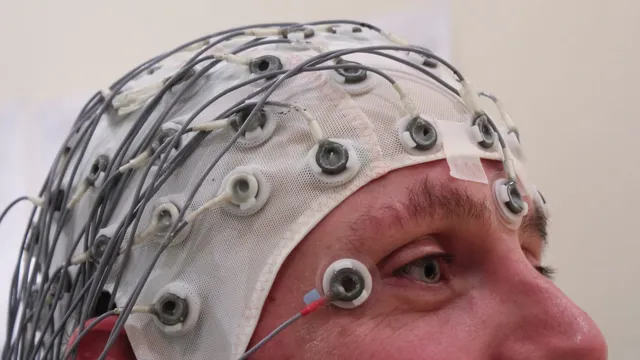

China puts its first national brain-computer interface standards in force
Two GB/T standards covering BCI reference architecture and multimodal data format took effect on 1 August, ending an era where every Chinese BCI lab defined its own formats.


The EU defers its AI Act high-risk duties by more than a year
Regulation (EU) 2026/1744 moves the high-risk obligations of Chapter III to 2 December 2027 and 2 August 2028, leaving the Article 50 transparency duties on their original date.


Unitree unveils the AS2-W, a wheel-legged robot that runs at 20 km/h
The Super Athlete clears 80 cm obstacles and 45-degree inclines on wheels and legs together, and Unitree released the footage rather than a spec sheet.
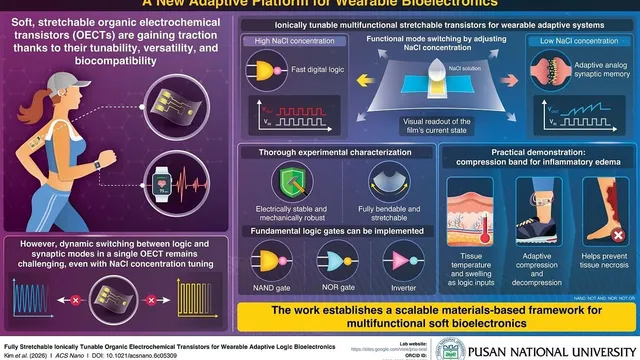

A stretchable transistor switches between logic and synapse with salt
A Pusan National University team built one soft device that runs digital logic at high salt concentration and behaves like a synapse at low, and shows its state by changing colour.
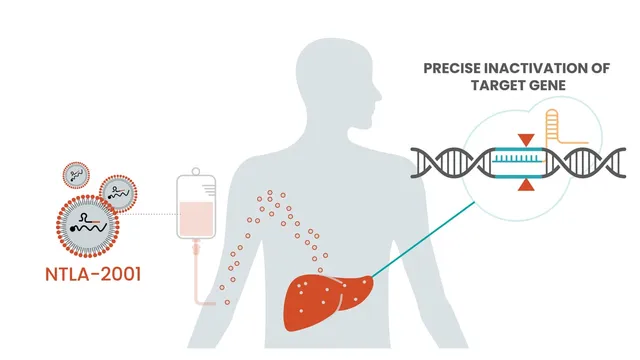

Intellia ties its worst liver signals to a single HLA allele
A genomic analysis of more than 600 samples found the highest liver enzyme elevations in Intellia in vivo CRISPR trials clustered in carriers of one HLA allele.
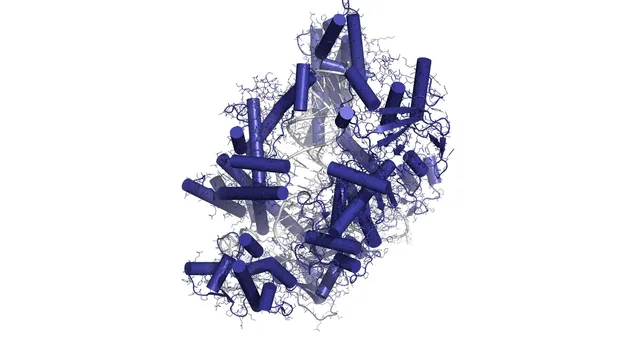

HuidaGene discloses a CRISPR trial death twelve months late
HuidaGene Therapeutics waited a year to disclose that a boy in the high-dose cohort of its Duchenne gene-editing trial died in August 2025.
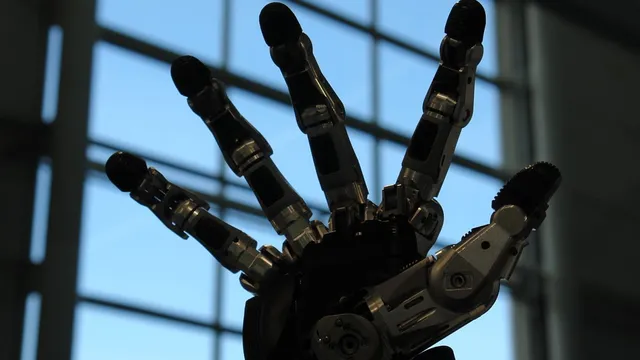

Xiaomi open-sources XR-1, a 100,000-hour manipulation model
Xiaomi released weights and code for its vision-language-action model under Apache 2.0, pre-trained on more than 100,000 hours of handheld-rig trajectories.