Pulses
September 2026 — 14 pulses
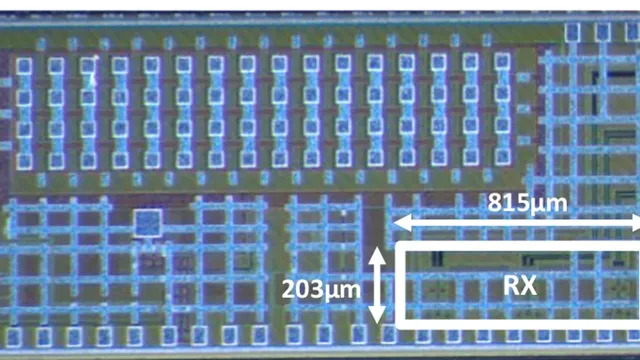

A wireless link through the dura cuts the tether on brain implants
An imec-led team reports a body-coupled telemetry architecture moving intracortical neural data at up to 500 Mbps on 2.4 mW, validated in cultures and a cadaver, not in patients.
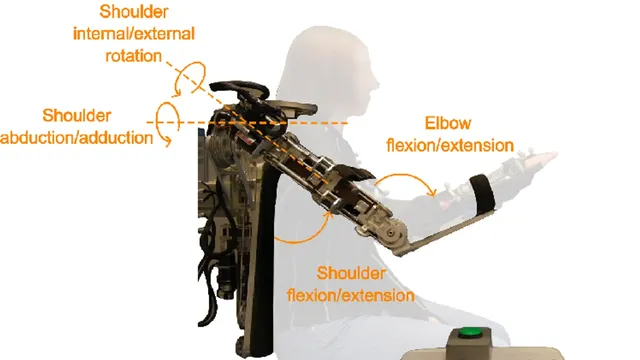

Five days in an exoskeleton leaves a lasting mark on how people move
A 24-participant study found that low-magnitude force fields from an upper-limb exoskeleton changed shoulder-elbow coordination in ways that outlasted the sessions.
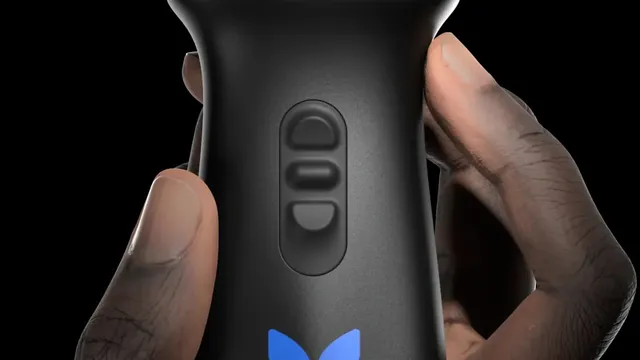

Butterfly Network becomes Merge Labs exclusive ultrasound chip partner
A multi-year licence gives the brain-interface startup Merge Labs access to the Poseidon ultrasound-on-chip family, with financial terms undisclosed.

An oral BTK inhibitor cuts MS relapse rates in two Phase III trials
Novartis reported that remibrutinib beat teriflunomide on annualized relapse rate across REMODEL-1 and REMODEL-2, without releasing the numbers.
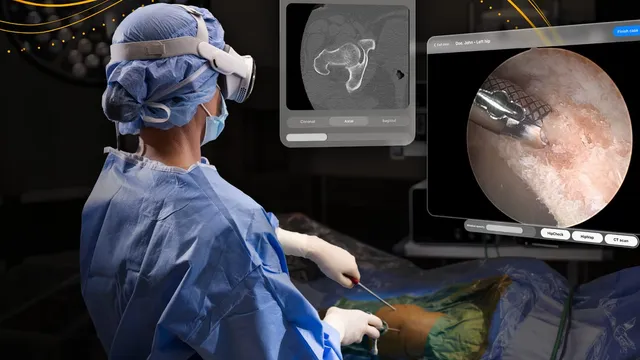

Stryker runs its first hip arthroscopy through an Apple Vision Pro
SportSuite Vision holds FDA De Novo authorization granted 17 July 2026, and has now been used in a live hip arthroscopy at Duke Health.
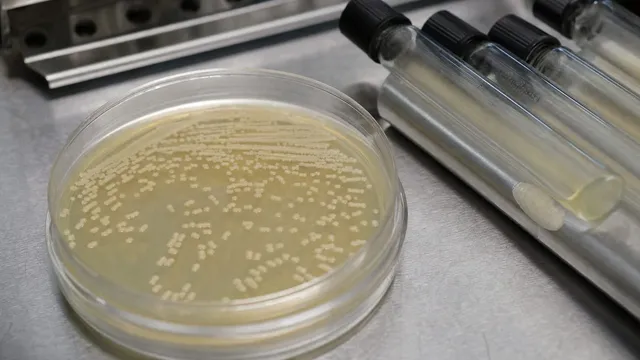

A gut bacterium and its metabolite extend healthspan in aged mice
Nature Aging reports that Bifidobacterium pseudocatenulatum declines with age in humans, and that it and its metabolite 5-AVAB reduce multiorgan inflammation in old mice.
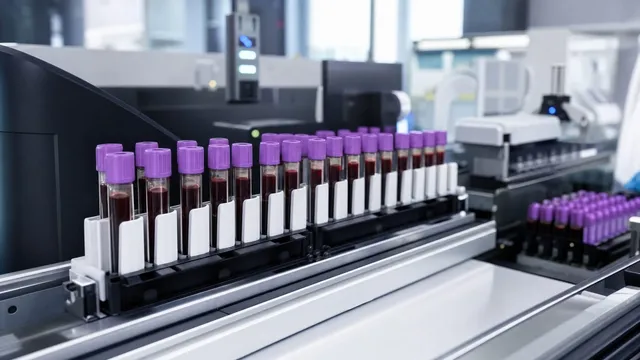

Sex-specific aging clocks put men and women on different timetables
A cohort of more than 100,000 Chinese adults and 172 routine clinical measures produced separate aging clocks that diverge in midlife and reconverge later.

NHS watchdog finds AI scribes getting drugs and diagnoses wrong
Healthwatch England reported on 31 August that AI consultation scribes are misrecording medical records, with patients catching the errors and no device regulation covering the tools.
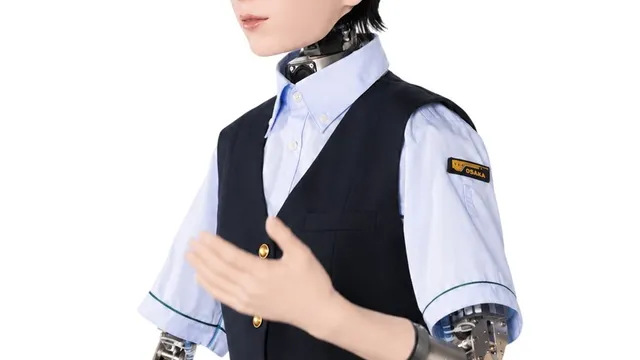

Osaka Metro puts a humanoid on its station information counter
A humanoid in Osaka Metro uniform began staffing an Umeda information counter on 31 August, in a trial run with KDDI and AVITA on Google Gemini.
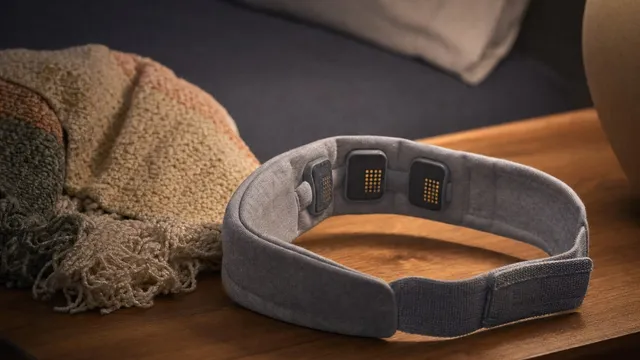

Shenzhen BCI startup Shenyi raises an angel round for sleep and mood
Shenyi Technology closed over 10 million yuan led by a Guangming district fund, for non-invasive brain-computer interfaces aimed at sleep disorders and depression.
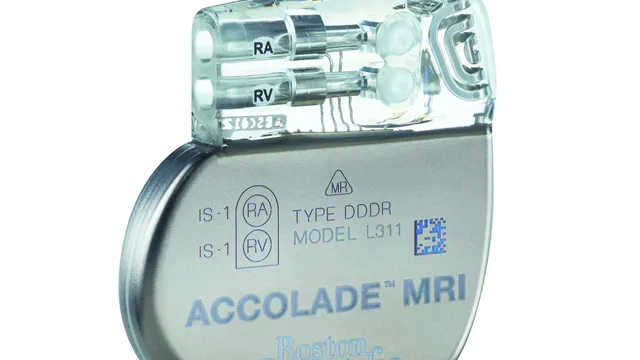

Boston Scientific cyberattack stops new pacemakers reporting home
A 25 August intrusion left newly implanted cardiac devices unable to activate remote monitoring, and halted manufacturing and shipping of pacemakers and defibrillators.
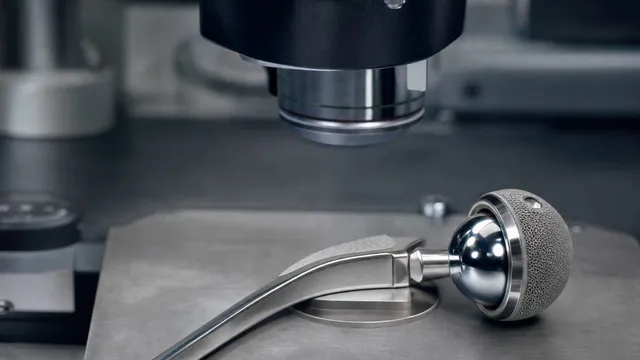

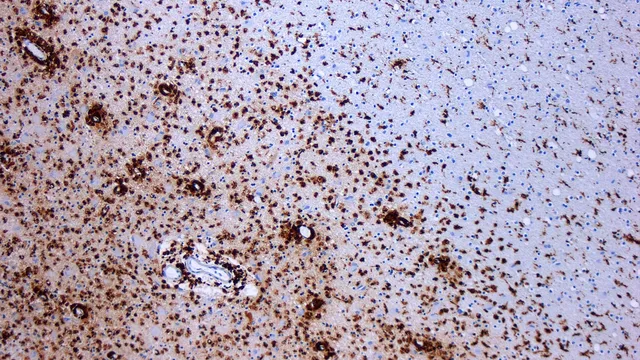
Metal from joint replacements is reaching the brain, autopsies show
A Rush University study of 701 donated brains found implant-derived cobalt and titanium in brain tissue, with cobalt tracking higher Alzheimer's pathology but no cognitive decline.
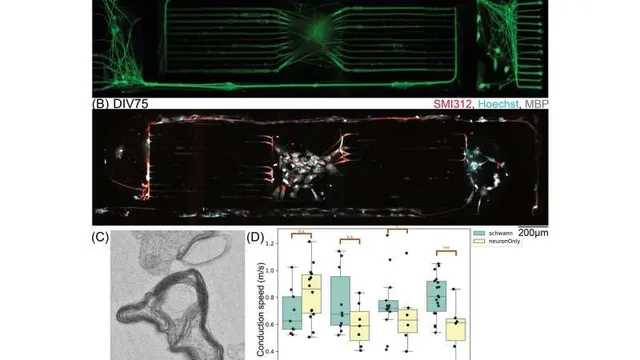

Lab-grown nerve hits human sensory conduction speed on a chip
A Rice and ETH Zurich hydrogel platform kept human neurons alive past 100 days and measured myelinated signals at human sensory nerve velocities.
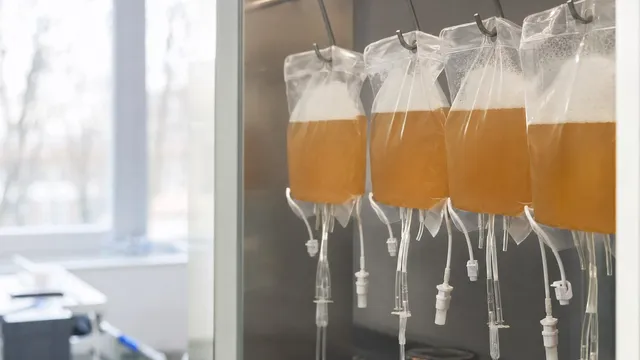

Novartis halts eight CAR-T trials after three immune deaths
Novartis paused its rap-cel autoimmune programme on 24 August after three cases of a severe immune reaction; Bristol Myers Squibb paused enrolment in its own trials.
August 2026 — 36 pulses
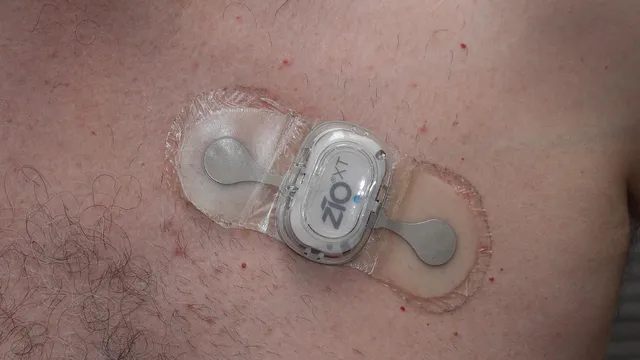

A 14-day heart patch after fainting doubled arrhythmia detection
In 2,234 UK emergency patients, immediate monitoring found arrhythmias in 22 percent against 9 percent on standard care, and one-year mortality was 1.5 against 2.9 percent.
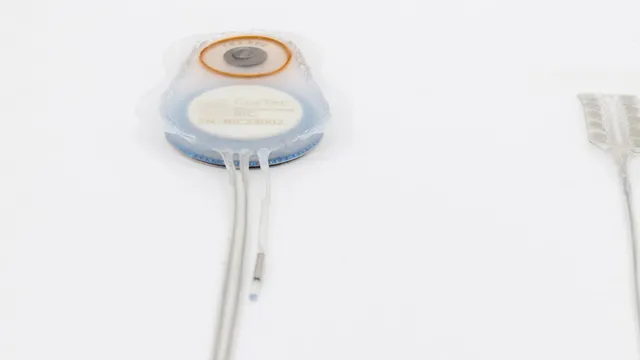

FDA gives CorTec's brain implant a second breakthrough designation
The new Breakthrough Device Designation covers cursor control for people with non-progressive quadriplegia, four months after one for stroke motor rehabilitation.
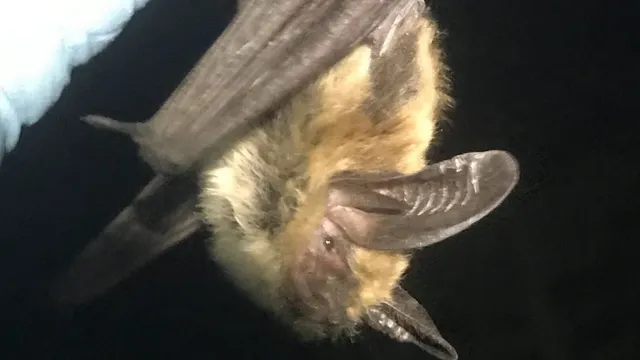

Eight bat genomes tie longevity to antiviral and cancer defences
UC Berkeley researchers report in Nature that the longest-lived Myotis bats carry extra copies of antiviral genes, and that their damaged cells die rather than attempt repair.
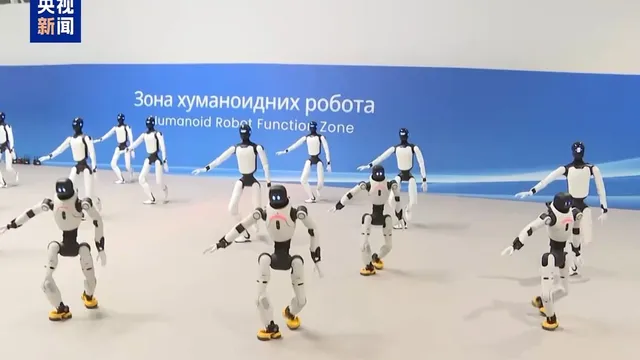

AgiBot and Minth start humanoid robot production in Serbia
A 20-million-euro first phase opened in Sabac on 29 August, billed as the first humanoid robot mass-production base in Europe.
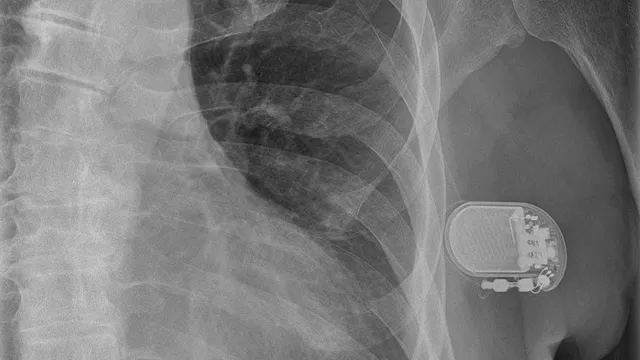

US stroke guideline takes up implanted vagus nerve stimulation
The AHA and ASA replaced their 2016 rehabilitation guideline on 27 August, and the device maker says paired VNS is named in it for upper-limb recovery.
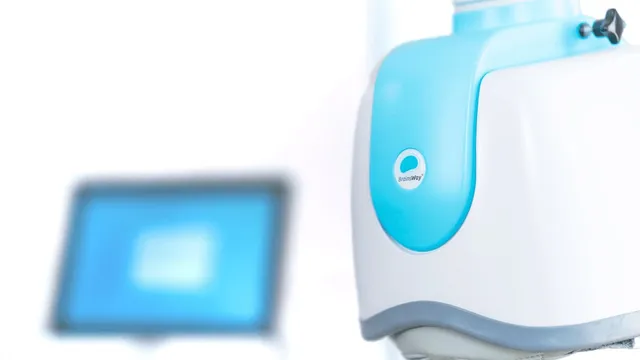

Accelerated Deep TMS trial reports a drop in suicidal ideation
A secondary analysis of BrainsWay’s SWIFT protocol trial, published in the Journal of Affective Disorders, reports a 70% reduction in patients experiencing suicidal ideation.
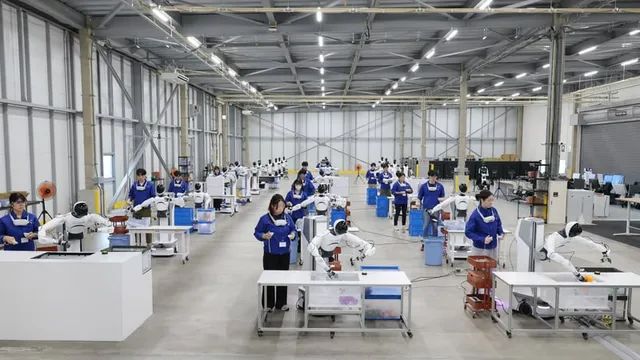

Five Japanese firms open a shared humanoid training-data factory
The J-HRTI consortium began full operations of its Kanto Data Factory on 26 August, running 35 humanoid robots to generate physical-AI training data.
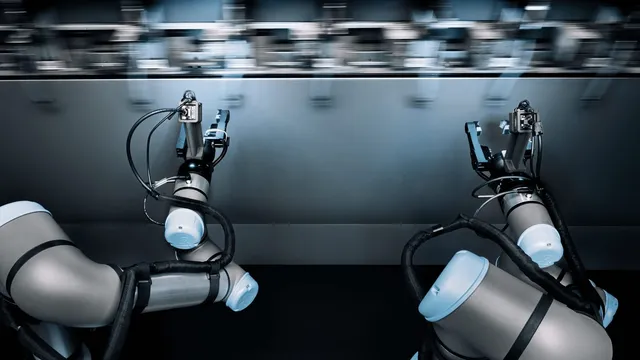

Sanctuary AI puts its robot control software on other makers' arms
The company said it will run its Physical AI on existing industrial robots rather than wait for humanoid hardware, citing a 99.5% success rate on a wire-plugging line.
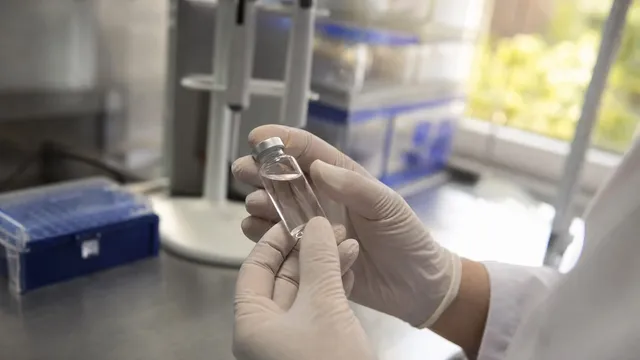

A single CRISPR infusion held lipids down for a year
CTX310 cut ANGPTL3 by a mean 79 percent at one year in the highest-dose cohort, with results published in the New England Journal of Medicine.
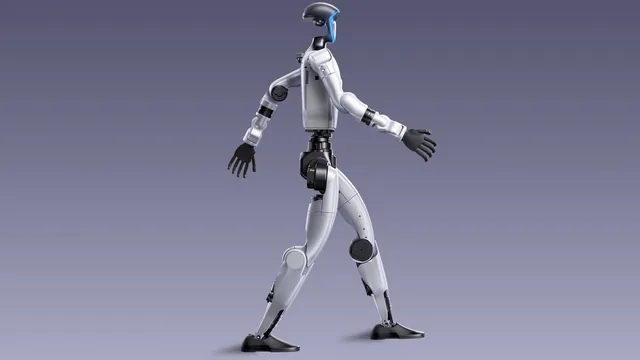

A Unitree G1 can be rooted over Bluetooth by anyone nearby
Two disclosed vulnerability chains give unauthenticated root code execution on the humanoid, and the researcher describes the Bluetooth chain as wormable.
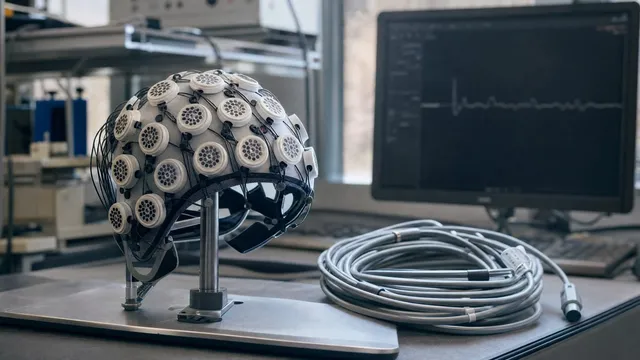

Gestala discloses $84 million raised in its first six months
The Shanghai company is building an ultrasound brain-computer interface aimed at chronic pain, and says a first product is due by the end of 2026.
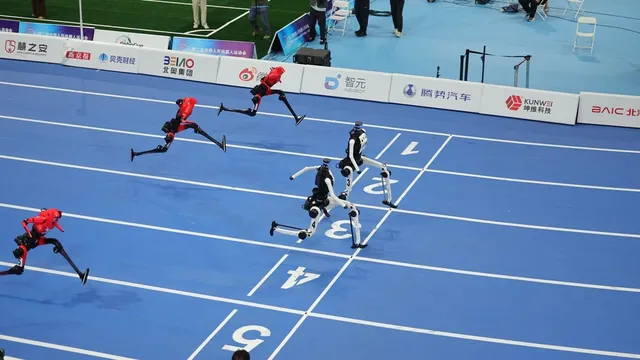

The humanoid 100m record fell again, to 8.64 seconds
TianGong Ultra won the closing final of the second World Humanoid Robot Games in 8.64 seconds, most of a second faster than the mark set four days earlier.


Figure is paying people to film themselves doing chores
Index has taken in over 16 million videos from 108 countries and paid $15 million to contributors, feeding human footage into Figure's Helix robot model.
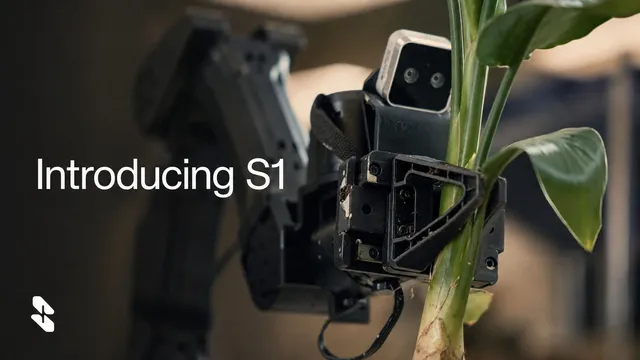

Skild's S1 learns a ten-minute task from one human video
The model takes a single video demonstration as its prompt and executes unseen tasks at 66 percent success, against 9 percent for a language-prompted policy.
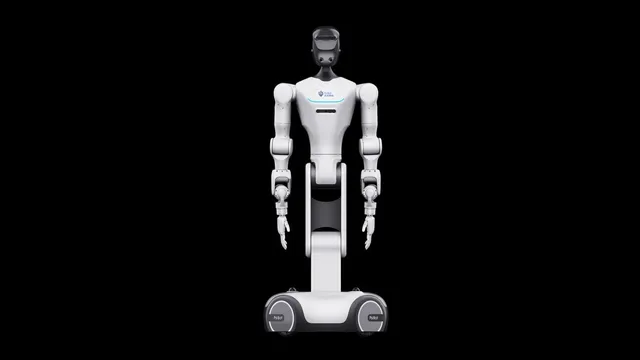

PsiBot closes a $100 million round led by industrial investors
The Chinese embodied-AI company will fund its paired policy and world models, Psi-R2 and Psi-W0, along with human-operation data collection.
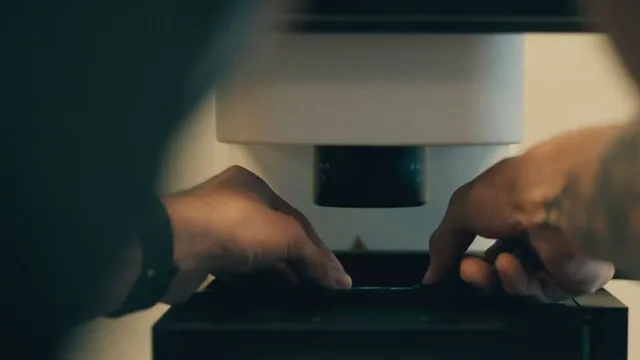

Anthropic previews a standard for AI agents to drive lab hardware
The Model Hardware Standard gives agents one interface to liquid handlers, robotic arms and microscopes, cutting integration from weeks to hours.
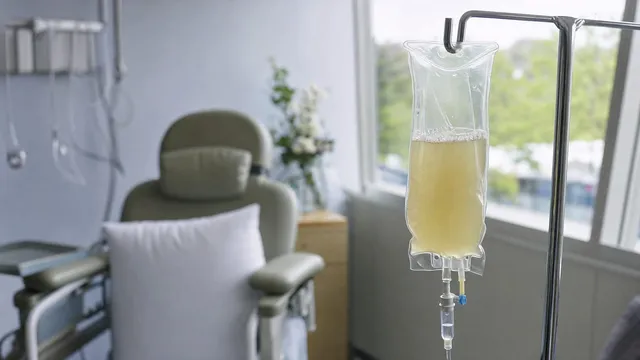

CAR-T therapy frees three rheumatoid arthritis patients from drugs
Six patients whose disease had resisted up to eight biologics received anti-CD19 CAR T cells at Charite; three reached drug-free remission within a year.
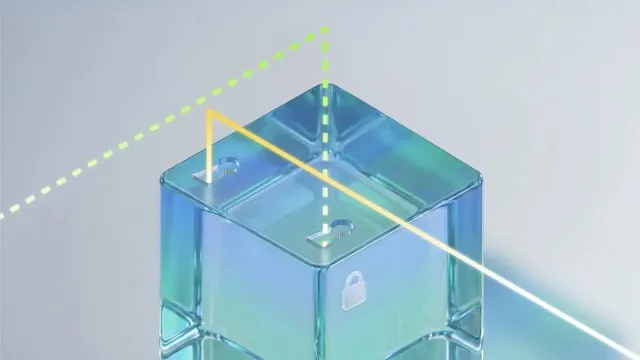

DeepMind runs a double-blind evaluation of a frontier model
Outside evaluators tested Gemini Flash Lite inside a confidential enclave where they could not see the weights and DeepMind could not see the test prompts.
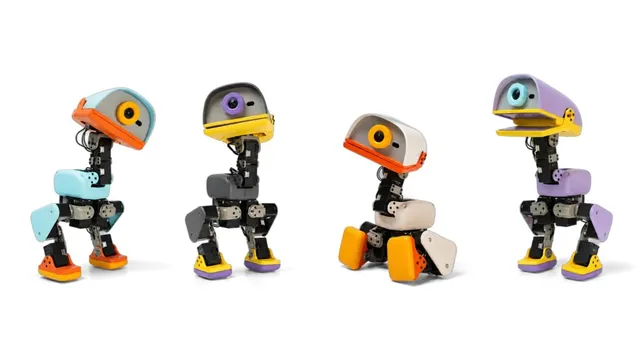

Pollen Robotics opens orders for a $399 open-source biped
Microduck is 25 cm tall, carries 15 motors, a camera and lidar, and ships with its SDK, simulator and reinforcement-learning stack under Apache 2.0.
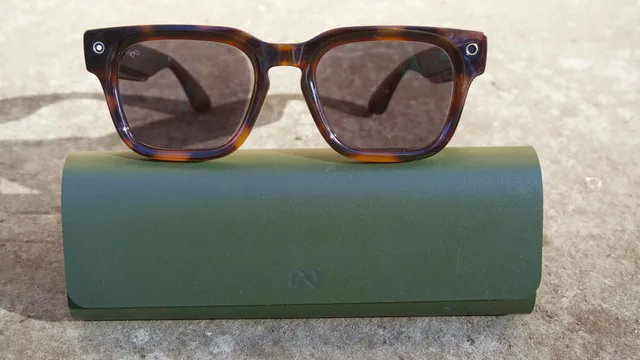

Meta stops its glasses recording when the privacy light is covered
A software update disables the camera mid-recording if the capture LED is obscured, closing a loophole that let wearers keep filming with the light hidden.
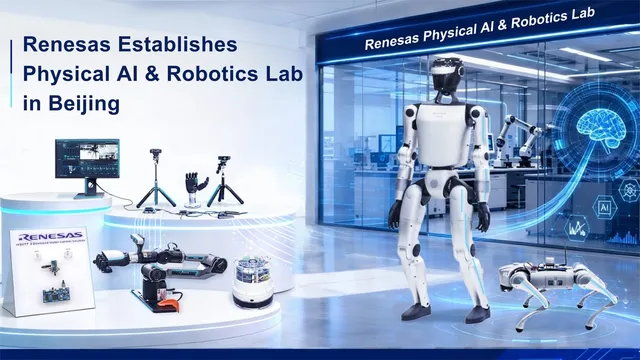

Renesas opens a physical AI and robotics lab in Beijing
The chipmaker says it addresses about 30% of a humanoid robot bill of materials today and is targeting 70%, and opened a Beijing lab to co-develop systems.
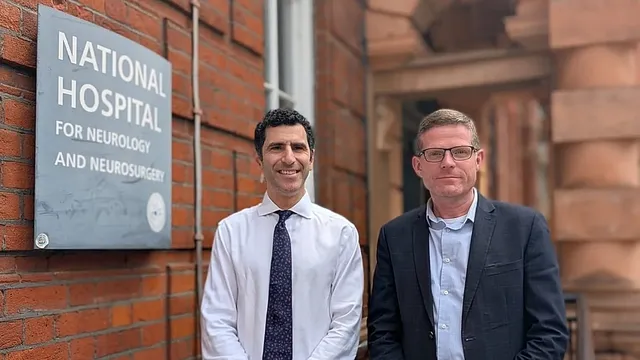

AI guides a live brain operation and the patient keeps his sight
Surgeons at UCLH removed a skull-base tumour using an AI that read the live surgical video feed and marked the vessels and nerves controlling vision.
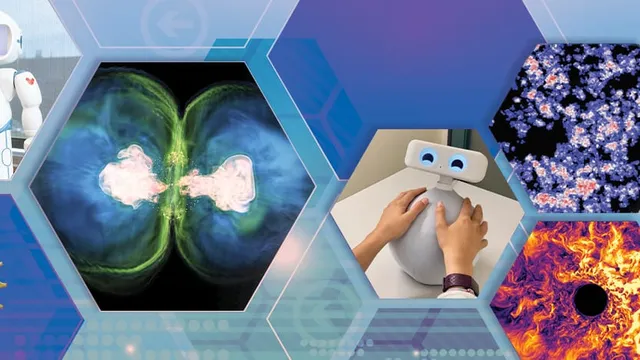

NSF funds a centre on humans and robots adapting to each other
One of three new Science and Technology Centers sharing $90 million over five years will study how assistive robots and the people using them co-adapt.
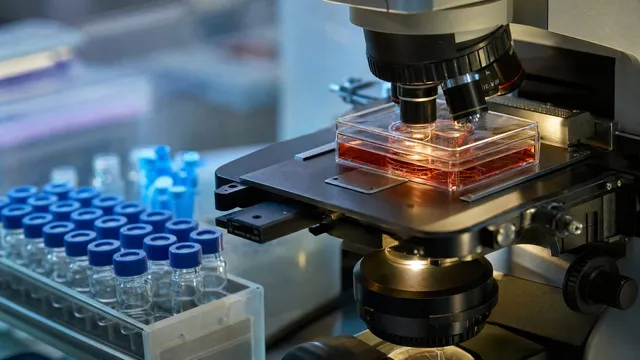

A nanogel turns support cells into neurons in Alzheimer's mice
Nano-ERASER crosses the blood-brain barrier and degrades PTBP1, reprogramming astrocytes into neurons; treated mice rebuilt nests and solved water mazes.
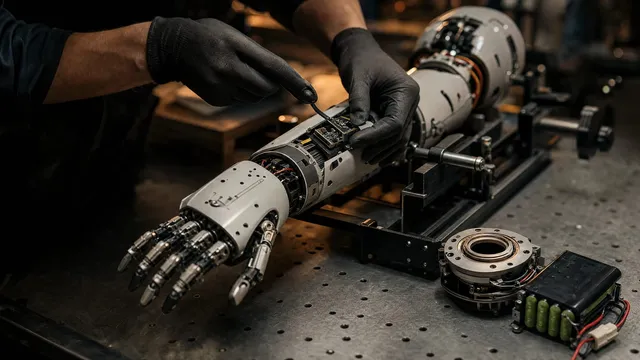

Korea commits 2.3 trillion won to a domestic humanoid stack
The budget ministry set out spending through 2030 to lift local content in key humanoid components from 45 to 80 percent and buy 1,080 Korean robots.
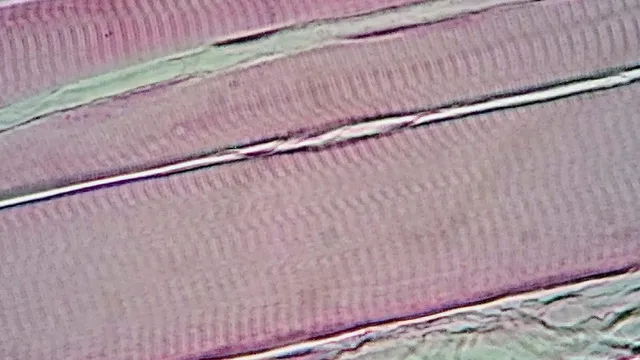

An injected muscle graft that exercises itself, tested in mice
Chinese Academy of Sciences researchers report myografts that self-assemble under the skin, contract on their own, and improve bone, liver and cognitive measures.
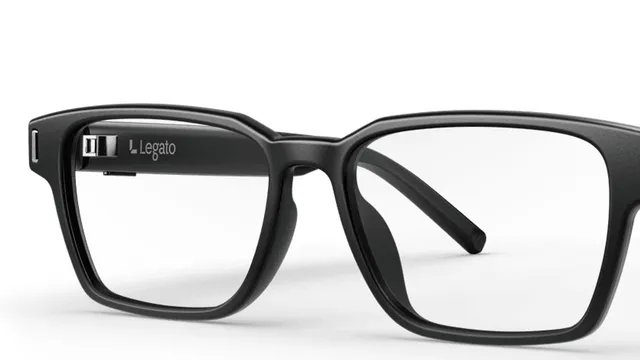

Legato leaves stealth with $12M and hearing aids built into frames
Two former Bose leaders put speech-separating hearing assistance in the arms of ordinary eyeglasses, with a launch set for autumn 2026.
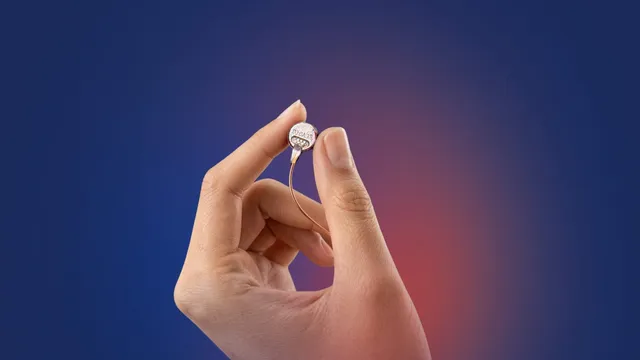

Paradromics wins FDA clearance to route its BCI to everyday devices
Connect-One participants can now connect laptops, tablets and phones through the Convey system without a separate FDA sign-off for each new device.
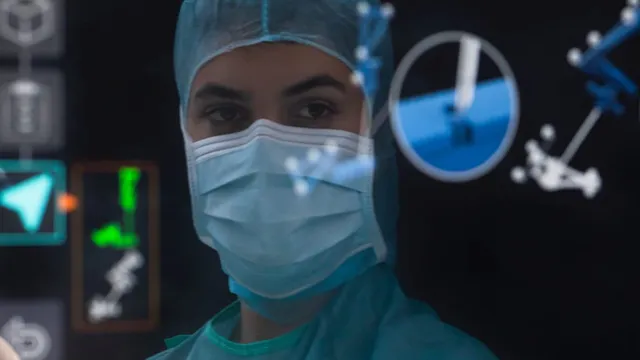

FDA clears Spineart screws for robot-guided placement in the spine
A 510(k) on 26 August 2026 moves the PERLA TL system from navigation-only to robotic-assisted pedicle screw workflows on eCential Robotics Op.n.
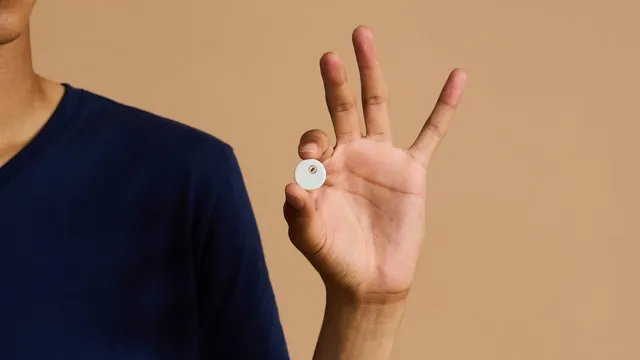

FDA authorises the first wearable that reads ketones continuously
Abbott's Libre Duo 10 Day cleared De Novo review on 25 August 2026, measuring glucose and ketones every minute in people aged 2 and over.
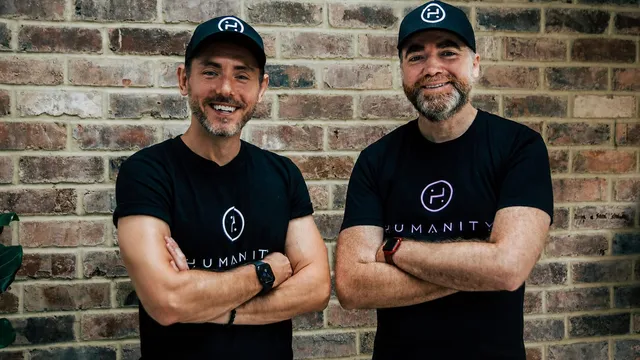

A biological age score arrives as a $29 add-on at 2,000 US labs
Humanity Biological Age went live on questhealth.com on 25 August 2026, converting an existing Quest blood panel into a single age number without a second draw.
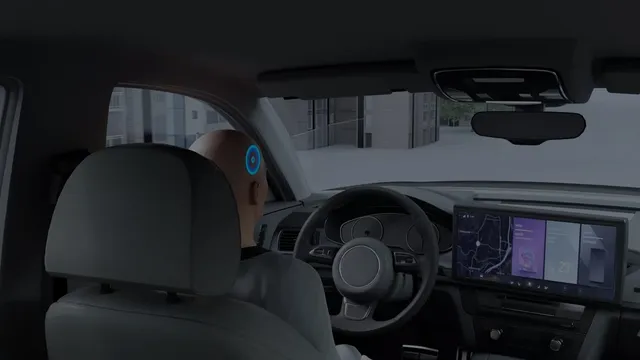

China opens comment on standards for consumer BCI and humanoids
MIIT put two draft industry standard-system guidelines out for public comment on 24 and 25 August, one of them covering non-medical brain-control devices for the first time.
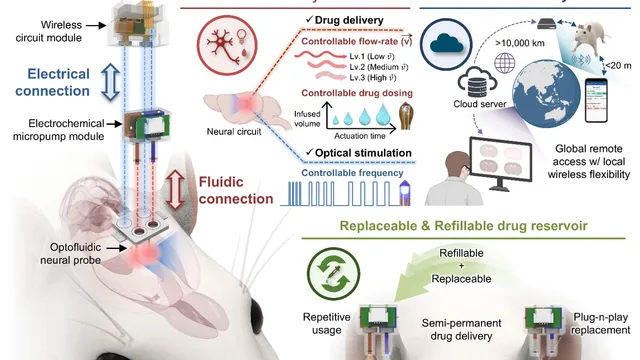

A brain implant in Daejeon was driven over the internet from Chicago
KAIST and Yonsei built a sugar-cube-sized implant that delivers drugs and light on command, and ran it across 10,000 km for four weeks.
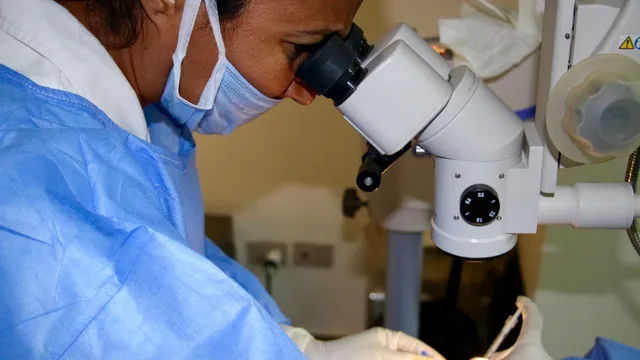

Mitochondria from a woman's leg were injected into her eyes
A Mount Sinai team reports the first intravitreal mitochondrial transplant, with pupil responses to light returning for days to weeks, in a preprint case report.
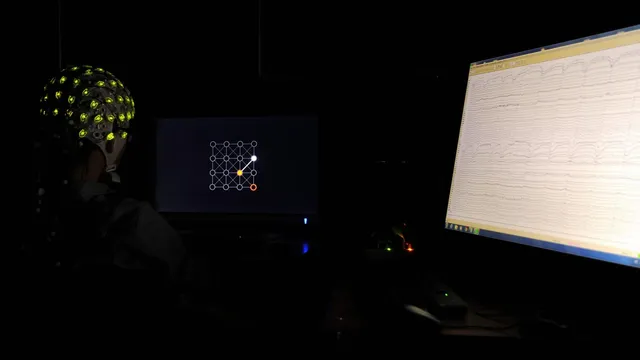

Brain-Device Era raises a seed round for a non-invasive motor BCI
The Shanghai company, founded in November 2025, closed tens of millions of yuan led by Hua Capital Oriza to build Omni-One and an ultrasound interface.

Precision BioSciences doses the first patient in its Duchenne trial
PBGENE-DMD entered a Phase 1/2 study at Arkansas Children's Hospital, aiming to restore near full-length dystrophin instead of a truncated substitute.